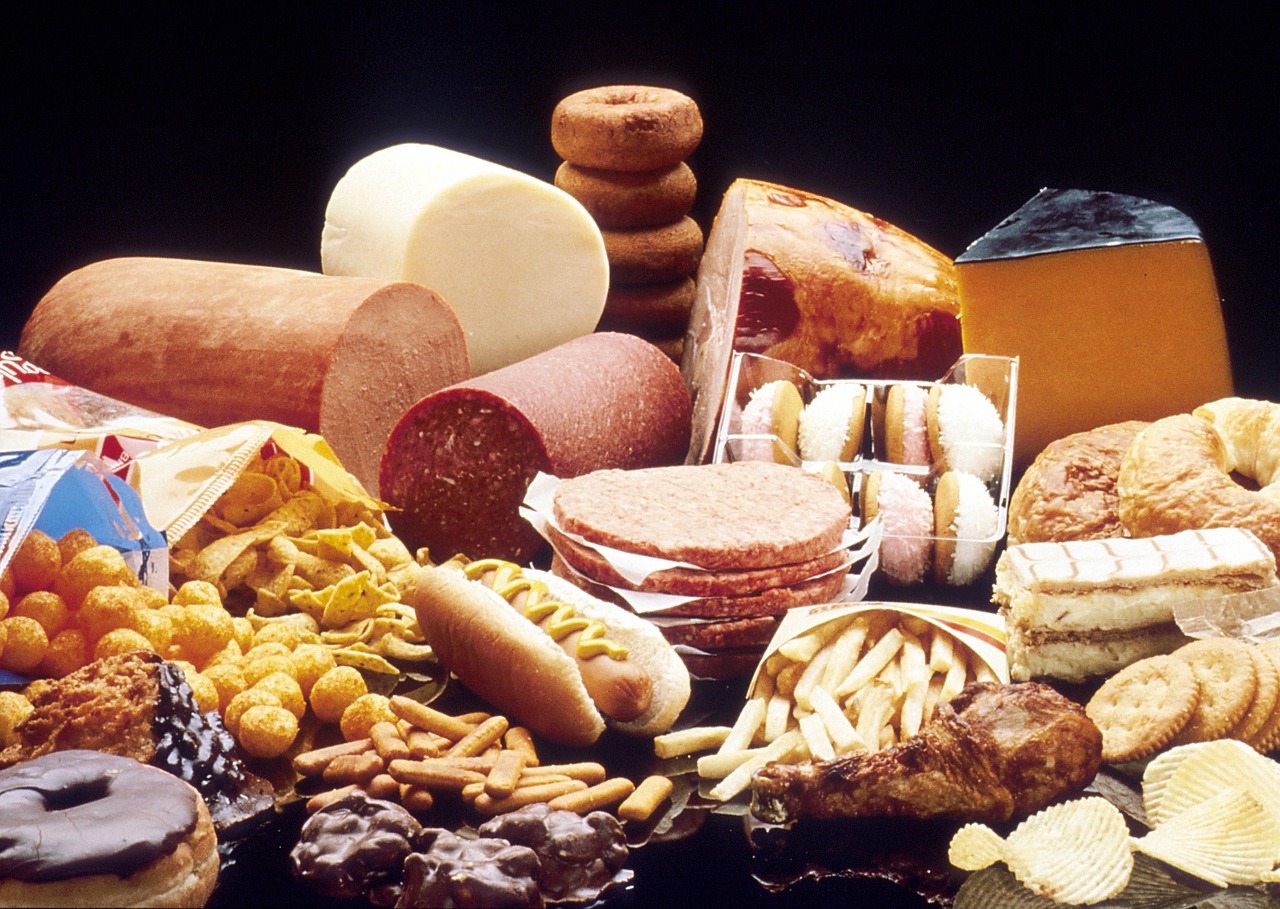

Understanding Dietary Fat Labels: What’s Really in Your Food?
Navigating the world of dietary fat can be perplexing, particularly when interpreting food labels. Often, consumers are misled by terms like “low-fat,” “fat-free,” or “reduced fat,” which do not necessarily equate to health benefits. Instead of focusing solely on fat content, individuals should consider the overall quality of the food. Some fats are essential for bodily functions, playing crucial roles in hormone production and cellular health. Healthy fats, such as omega-3 and monounsaturated fats, provide nutritional benefits and help maintain heart health. On the other hand, trans fats and excessive saturated fats can promote a variety of health issues, including obesity and heart disease. Thus, it is crucial to differentiate between healthy and unhealthy fat sources. Additionally, consumers should be wary of added sugars and processed ingredients often found in low-fat products. Reading labels carefully enables informed choices about which products align with a healthy eating strategy. Therefore, understanding the types of dietary fats and their impact on health empowers consumers to make better informed decisions in their overall nutrition.
When considering dietary fats, it’s essential to understand the differences between various types. Fats can be categorized into saturated, unsaturated, and trans fats. Saturated fats are typically solid at room temperature and are found in animal products like butter and cheese. They have been associated with increased cholesterol levels. Conversely, unsaturated fats, which include both monounsaturated and polyunsaturated fats, are usually liquid at room temperature and can be beneficial for heart health when consumed in moderation. Foods rich in healthy unsaturated fats include avocados, olives, nuts, and fatty fish. Trans fats are artificial fats that manufacturers add to foods to improve texture and extend shelf life. They are found in many processed foods and have been linked to numerous health risks, including heart disease. To make healthier choices, consumers should look for products that limit or exclude trans fats. Moreover, it’s crucial to read ingredient lists since some products can hide unhealthy fats under ambiguous labels. By understanding the different types of fats and their qualities, consumers can effectively navigate their dietary choices while prioritizing health.
The concept of “fat-free” does not necessarily mean healthy. Many low-fat products compensate for reduced fat by adding sugars or processed fillers, which can contribute empty calories and undermine health goals. This is particularly evident in items like yogurt, salad dressings, and snack foods labeled as “low-fat”. They may have diminished fat content but often contain similar calorie levels or even more than their full-fat counterparts when considering added ingredients. Hence, awareness of nutritional content is crucial for making healthy decisions. A better approach might be to focus on whole, minimally processed foods that are naturally healthy rather than solely relying on fat content. Not all fats are created equal; some contribute to better satiety and overall satisfaction. Additionally, including healthy fats in meals can help absorb fat-soluble vitamins, which are essential for various bodily functions. Balancing inclusion of healthy, whole fats while minimizing unhealthy trans fats and excessive sugars can contribute substantially to long-term health. Cultivating good dietary habits will ultimately lead to better health outcomes rather than obsessing over fat content alone.
Understanding Nutrition Labels for Better Choices
Deciphering nutrition labels can empower consumers in their quest for healthier food choices. The nutrition facts panel contains valuable information about servings, calories, and key nutrients, including total fat, saturated fat, and trans fat. Paying attention to these components helps individuals assess whether a product fits their dietary needs. Moreover, ingredients are listed in order of predominance by weight, which can be an insightful tool. Analyzing the ingredient list lets consumers identify hidden sugars and unhealthy fats. It is advisable to select foods that list whole foods at the top and avoid those with numerous added chemicals or preservatives. Another vital aspect to consider is the serving size, as products may contain misleading claims if their serving sizes differ significantly from what individuals typically consume. For instance, a product may boast about lower fat or calories per serving, while typical consumption exceeds those recommended serving sizes. Therefore, assessment should focus on complete servings to understand the real nutritional content consumed. Being aware of these aspects can lead to healthier choices and improved wellbeing over time.
Consumers may also be misled by marketing terms, which can obfuscate the truth about fat content and healthiness of products. Phrases like “heart healthy” or “natural” grant an illusion of health that may not reflect reality. Manufacturers often capitalize on consumer fears and misconceptions regarding dietary fats to boost sales. For example, some snacks labeled as “healthy” may be laden with unhealthy fillers despite their claims. It is crucial to educate oneself about these marketing ploys and realize that health claims don’t always indicate superior nutritional value. In many cases, whole foods like nuts, seeds, and avocado may not appear in processed food packages, despite being significantly healthier options packed with vital nutrients. A wise approach involves opting for less processed, whole food sources and reading labels critically. Ingredients should ideally be recognizable and minimally altered from their natural state. Thus, understanding and recognizing deceptive marketing terms can help consumers sharpen their food selection, ultimately leading to more informed and healthier eating habits.
Embracing Healthy Fat Sources
Rather than fearing fats, consumers should learn to embrace healthy sources and incorporate them into their meals. Healthy fats, such as those found in fatty fish like salmon, walnuts, flaxseeds, and olive oil, offer numerous health benefits. These fats can help lower bad cholesterol levels while raising good cholesterol, thus benefiting heart health. Additionally, incorporating healthy fats into meals can enhance the absorption of essential fat-soluble vitamins, including vitamins A, D, E, and K. Mixing healthy fats into salads, smoothies, or whole grain dishes can enhance flavors and provide satiation. Educating oneself on the role of fats can combat the pervasive stigma that equates fat with weight gain. Portion control along with the type of fats consumed plays a crucial role in maintaining a healthy diet. By being conscious of choosing high-quality fat sources and striving for balance, individuals can enjoy their meals while reaping the positive effects of healthy fats. Ultimately, understanding fat varieties allows one to appreciate their nutritional significance rather than dismissing them as something to avoid.
In conclusion, exploring dietary fats means unraveling myths and understanding facts. Consumers are encouraged to scrutinize nutrition labels carefully, focusing on the types of fats rather than merely their quantities. Knowledge about fat varieties and their health implications empowers individuals to make informed dietary choices. Learning to differentiate between healthy sources and unhealthy trans fats can positively impact overall health. Remember that not all fats contribute to weight gain, and indeed, healthy fats can support bodily functions and overall wellbeing. Embracing a diet that includes nutritious sources of fat, while avoiding processed alternatives, stands as a vital step toward health improvement. By cultivating awareness and understanding of dietary fats, one can navigate the nutrition landscape with confidence. Additionally, remaining vigilant about marketing tactics and ingredient lists can facilitate better purchasing decisions. Prioritizing whole foods, cooking with healthy fats, and being mindful of fat content can propel one toward achieving long-term health goals. Enhancing dietary habits through better fat knowledge ultimately plays a crucial role in overall health and wellness.