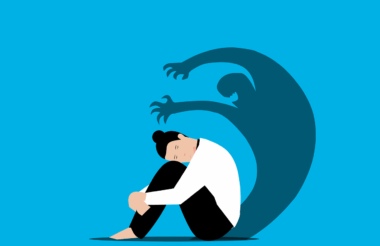

The Effects of Core Conditioning on Emotional Regulation
Core conditioning exercises play a significant role in enhancing not just physical stamina but also emotional regulation. By focusing on the muscles of the abdomen, back, hips, and pelvis, individuals can develop a solid foundation for better mental health. Research indicates that engaging in core-strengthening activities can reduce stress, anxiety, and depression levels. This approach emphasizes the connection between physical exercise, particularly core workouts, and mental well-being. In addition, this relationship has been recognized in various mindfulness practices that incorporate core strength training methods. Practitioners are encouraged to engage in exercises that not only strengthen the body but also foster resilience and emotional stability. These could range from pilates to yoga or specific abdominal exercises that have proven beneficial. Incorporating core conditioning into daily routines brings about improved self-awareness and mindfulness, benefiting individuals dealing with emotional turmoil. In turn, these techniques assist in regaining control over one’s emotional state. Ultimately, the practice of core conditioning serves as a dual tool for enhancing both physical fitness and emotional balance. Regular participation can thus lead to a more harmonious state of mind.
Core-strengthening exercises also promote the development of better posture, which contributes to overall emotional well-being. Enhanced posture can boost confidence, making individuals feel more empowered in social situations. Physical alignment gained from core conditioning prevents slouching and hunching, both of which can lead to diminished self-esteem. Studies confirm that standing tall not only influences how others perceive us but also how we perceive ourselves, impacting our mental state. This correlation highlights how proper body mechanics can affect emotional regulation. Furthermore, effective core workouts significantly improve body awareness. Increased awareness allows individuals to detect stress or tension more readily. Timely intervention can prevent an escalation into more profound emotional responses. Additionally, improved balance and stability from their core can foster a sense of control. When people feel physically balanced, they may experience reduced anxiety levels, making it easier to engage in situations that usually provoke stress. The knock-on effect of these variations can lead to better decision-making in daily life. As individuals interact more positively with their environment and themselves, emotional regulation becomes easier, enhancing overall life satisfaction.
Improving Emotional Skills through Core Strengthening
Engaging in core-strengthening routines facilitates the enhancement of emotional skills that directly influence self-regulation. Emotional skills mainly encompass the ability to recognize, understand, and manage one’s emotions effectively. When individuals build their physical core strength, they not only enhance their physical stability but also develop patience and resilience. During core workouts, individuals often face challenges that require determination to push through discomfort, thereby reinforcing their emotional fortitude. Learning to endure physical strain translates into greater tolerance for emotional hardships. Furthermore, core conditioning encourages individuals to practice mindfulness, focusing their attention on breathing and movements. This mindfulness is essential for emotional regulation, as it empowers people to connect with their feelings without excessive distractions or overwhelming reactions. Regular practice fosters a routine of self-reflection, allowing individuals to scrutinize their emotional patterns thoughtfully. The act of concentrating on physical movements simultaneously grants individuals a mental break, creating a space for emotional processing. Consequently, developing core strength identifies individuals’ emotional triggers, enhancing their ability to respond rationally rather than react impulsively. This improvement significantly contributes to healthier emotional functioning.
The psychological benefits of core conditioning cannot be overstated. Research indicates that physical activity stimulates the production of endorphins, the brain’s natural mood lifters. As core-strengthening exercises incorporate various movements, they boost cardiovascular health and contribute to the overall release of these neurotransmitters. With enhanced endorphin levels, individuals may find themselves experiencing elevated moods and reduced instances of depression. Additionally, many individuals report improved sleep patterns related to consistent physical activity. Quality sleep is crucial for emotional well-being as it allows individuals to process emotions throughout the night effectively. Furthermore, a well-rested mind is more resilient, capable of handling stressors encountered during the day. Core-conditioning routines often target stability and functional movements, which translate to enhanced daily life performance. In turn, improved performance in workouts leads to a sense of accomplishment and increased self-esteem. This positive feedback loop creates an upward spiral concerning mental health. With every core workout, individuals harness the power of their catalyst for resilience while concurrently strengthening emotional management. This intertwining of physical capabilities and emotional balance ultimately defines a path toward enriched mental health.
Integrative Approaches for Mental Health
Many holistic approaches integrate core conditioning into therapeutic practices for enhanced emotional regulation. Techniques like yoga, tai chi, and Pilates prioritize core strength along with mindfulness practices. These disciplines emphasize a mind-body connection that is essential for emotional balance. By incorporating consistent core work, practitioners experience heightened awareness and an improved ability to handle emotions adeptly. The slow, controlled movements characteristic of these exercises encourage reflection while promoting physical strength. Another critical aspect of integrating core conditioning into mental health practices is its ability to serve as a stress-reliever. As individuals participate in core-strengthening routines, they often enter a flow state characterized by focused attention and relaxation. This meditative quality aids in alleviating psychological stress. Additionally, engaging in group classes fosters social connections and a sense of belonging, enhancing emotional regulation. Support and camaraderie within these environments can provide individuals with additional motivation. They become part of a community striving towards shared goals while improving physical fitness. Adopting core conditioning in therapeutic situations showcases the interrelatedness of physical capability and emotional intelligence, effectively leading to holistic emotional improvement.
Moreover, core conditioning fosters discipline and commitment, qualities essential for emotional resilience. Individuals who establish a routine of engaging in regular core workouts become accustomed to setting and achieving goals. This skill translates into everyday life situations, where setting personal and professional goals becomes easier. Gamification, or making activities enjoyable, can enhance the motivation to engage in core strengthening. By applying elements of fun and competition, individuals are more likely to stick with their exercises. These positive experiences lead to reinforced motivation toward emotional management. Besides, core-conditioning routines can be customized to fit individual preferences, allowing for explorative and personalized approaches. Personalization instills a sense of ownership over progression and change, giving further incentive to pursue mental well-being goals. When individuals feel personally invested, they tend to have better outcomes. Furthermore, engaging with various forms of core workouts ensures diversity, preventing monotony. This variety can keep individuals accountable to their emotional emotional regulation progress. Overall, integrating core workouts into daily routines cultivates a comprehensive approach to enhancing mental health.
Conclusion on Core Strength and Emotional Resilience
In summary, the interplay between core strength and emotional regulation is significant for promoting mental health. Individuals who invest time in core conditioning reap numerous benefits that extend beyond physical capabilities. The dual focus on building a resilient core and nurturing emotional skills creates a balanced state of well-being. As individuals develop their physical prowess, they experience enhanced self-efficacy, contributing positively to their emotional landscape. Core workouts foster better awareness of one’s body and emotional state, leading to improved self-control under stress. This synergy between physical and emotional health highlights the importance of holistic approaches in personal development. As research continues to unveil the connections between fitness and mental well-being, core conditioning remains a vital strategy to enhance emotional resilience. Whether through yoga, pilates, or traditional exercise forms, incorporating core-strengthening practices can lead to profound transformation. Therefore, nurturing strength from within paves the way for broader positive changes in how individuals navigate their emotional world. Adopting core conditioning is an accessible pathway toward achieving greater emotional intelligence and well-being.
To further explore the connection between core conditioning and emotional regulation, individuals may consider speaking with fitness or mental health professionals. These practitioners can provide tailored advice and support on personal journeys toward emotional well-being through core strengthening. By understanding the link between physical fitness and emotional resilience, people can take ownership of their health. Opportunities for growth abound within community classes or personal sessions, allowing for enriched experiences and effective learning. Those interested in leveraging core conditioning for better mental health can also access online resources or workshops. Emphasizing self-care through mental and physical practices serves as an essential component of healthy living. Additionally, collaborations between fitness trainers and mental health professionals can create innovative programs that integrate both domains. Such approaches underline the critical acknowledgment that one’s physical health greatly influences mental states. Consequently, prioritizing core conditioning among various fitness regimens presents an exciting avenue for enhancing emotional regulation. The journey to better emotional health starts with simple steps, and core strengthening is a significant part of this process. Elevating mental well-being may be as achievable as committing to a regular core-strengthening routine.