
Community Fitness Events: Connecting Mental Health Support Groups
Community fitness events serve as significant platforms for individuals dealing with mental health issues. These gatherings create a supportive environment where members can share experiences and motivate each other toward recovery. Activities such as yoga, jogging, and dance classes are tailored to promote both physical and mental well-being. Regular participation in fitness activities has been shown to reduce anxiety and depression, allowing participants to gain confidence and resilience. Support groups that organize such fitness events foster a sense of belonging. They bring together individuals with similar struggles, reinforcing the idea that no one is alone in this journey. As a means of coping, exercise can become a tool for personal growth and recovery. Many community centers and organizations have embraced the significance of physical fitness in mental health care. With diverse events, every participant can find an activity that suits their preferences and abilities. Community fitness events often attract local media attention, raising awareness about mental health. They not only empower individuals but also educate the wider community on the connection between fitness and mental wellness.
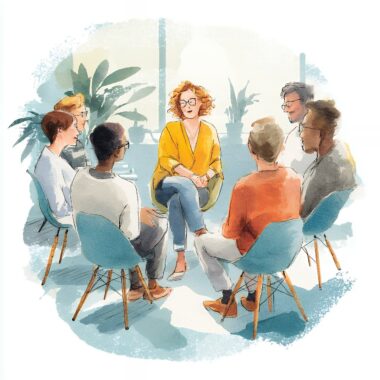
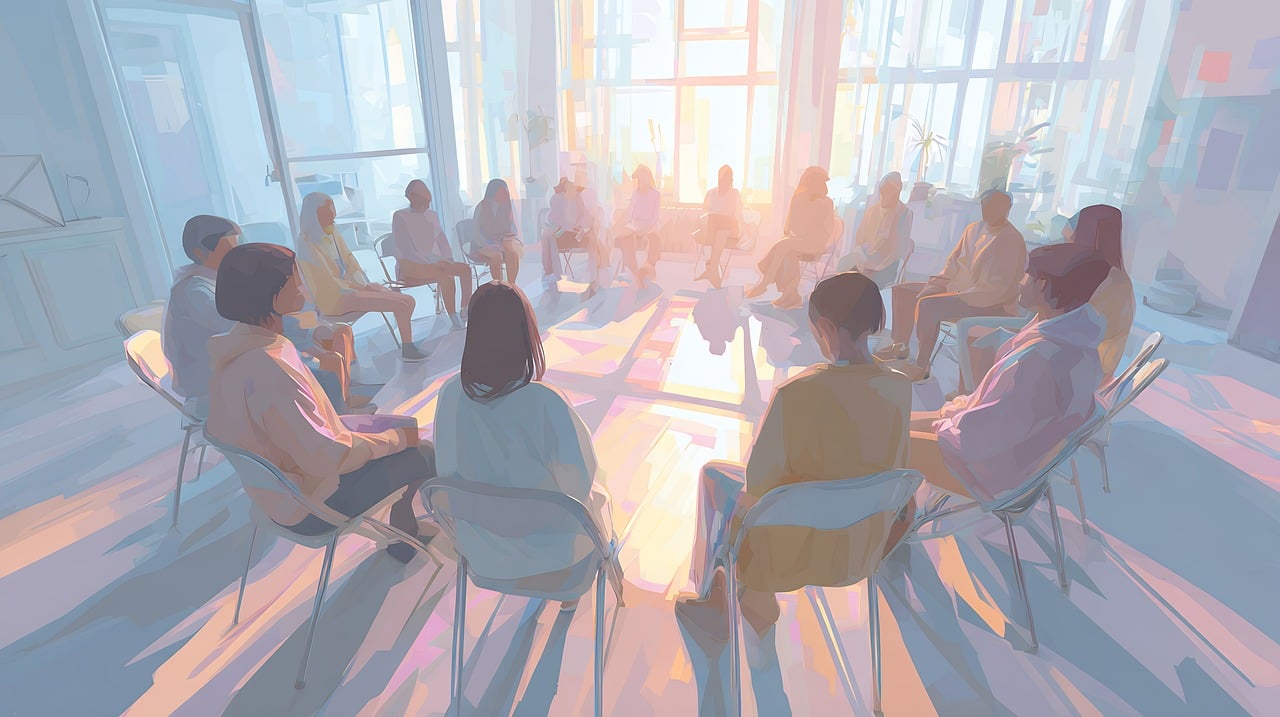
Support groups paired with fitness activities cultivate relationships, encouraging participants to form lasting connections. Establishing friendships through shared experiences enhances the support network. Through consistent interaction, bonds strengthen, making it easier to seek help during difficult times. Participants often celebrate each other’s successes, fostering a collaborative environment. This encouragement is essential as it combats isolation, a common factor in mental health struggles. Team sports or group workouts create a fun atmosphere where participants feel valued and understood. Furthermore, collective experiences during fitness sessions can serve as icebreakers, leading to deeper conversations about mental health challenges. Engaging in physical activity while discussing struggles normalizes these experiences, making it easier to address them openly. These events also often include guest speakers who share insights about overall well-being and mental resilience. Fitness trainers equipped with psychiatric knowledge can lead sessions tailored to the needs of participants. This collaboration between trainers and mental health professionals enhances the effectiveness of support groups. Participants leave these events feeling invigorated, both physically and mentally, reminding them that their journey toward recovery is supported by their community.
Inclusivity in Community Fitness
Inclusivity is a core principle in designing community fitness events. Organizers strive to create environments where everyone, regardless of their fitness level or background, feels welcome. This can include adaptive exercise options for individuals with physical limitations or mental health challenges. By providing varied activities, event planners cater to all participants, promoting community spirit. Inclusive fitness events help breakdown stigmas surrounding mental health issues. When individuals see others who are also engaged in fitness, it instills hope and inspires them to join. Offering multiple levels and types of activities can reduce intimidation often felt when participating in such events. Support materials, such as information pamphlets regarding mental health services, are usually distributed. These encourage attendees to seek further support should they want or need it. Ultimately, inclusivity enhances the community feel by ensuring everyone experiences the benefits of fitness. Participants often leave encouraged, having forged connections and sharing collective encouragement. As they bond, the friendly environment fosters ongoing conversations about mental health. This atmosphere promotes continued participation, not just in fitness, but in community interactions as well, building a supportive network.
Collaboration between community centers and mental health organizations is pivotal in promoting these events. Support groups can greatly benefit from shared resources and knowledge. This partnership can enhance the training and qualifications of those facilitating fitness activities. Collaboration helps reduce the stigma associated with mental health, allowing discussions to flow more freely. Participants often feel more secure when there are professionals present who understand their experiences. Mental health organizations can guide fitness instructors, ensuring that activities are designed with therapeutic benefit in mind. Additionally, these collaborations promote mutual goals, creating an environment that stresses well-being. When fitness organizations intentionally partner with mental health support groups, they increase the impact of their programming. This unified approach strengthens community bonds while helping individuals improve their physical and emotional health. Community fitness events can also serve as an educational platform, providing valuable information regarding mental health resources. By aligning their missions, both organizations can attract more participants who may not otherwise engage. The holistic approach benefits everyone involved, invigorating community spirit while casting light on the importance of mental health through fitness.
Engagement Through Workshops
Engaging participants in workshops during fitness events can amplify their overall experience. Workshops focused on topics like stress management, nutrition, and mindfulness help attendees acquire useful skills. Knowledge gained can significantly enhance the mental health journey of individuals, offering them tools they can use daily. Participants can learn about setting achievable fitness goals, thus furthering their personal development. Additionally, sharing personal experiences during these workshops reinforces the idea of community support. When individuals openly discuss their mental health journeys, it fosters authenticity and motivation among peers. Often, participants find solace in realizing they are not alone in their struggles. Incorporating fitness-based workshops, such as Pilates or meditation, allows individuals to explore various methods of coping. It is a comprehensive approach to recovery that combines education with exercise. Participants leave these workshops feeling empowered, equipped with the knowledge to face the challenges ahead. By fostering self-awareness, these workshops cultivate personal growth and create a deeper understanding of mental health. Ultimately, engaging with these activities promotes a culture of care not only within support groups but also across the broader community.
Feedback from participants is essential in shaping future fitness community events. Understanding attendee experiences helps organizers modify activities to enhance engagement. Surveys or informal discussions allow individuals to voice their opinions about what worked and what didn’t. By actively seeking feedback, organizers demonstrate their commitment to continuous improvement. Adjustments based on participant input can involve introducing new activities and modifying the schedule to better suit attendees. This demonstrates flexibility and responsiveness, creating a platform that encourages ongoing participation. Participants feel their voices matter, knowing that their feedback influences future programming. Alongside surveys, feedback sessions during post-event gatherings can further enrich community bonds. These interactions encourage relationships outside of fitness events, creating deeper connections among participants. Organizers can also share how feedback has led to tangible improvements, showing participants their impact on the community. By connecting individuals through shared experiences and actively engaging them in planning future events, organizers cultivate a sense of ownership. This ownership encourages commitment to attendance and creates lasting ties within the community, proving that mental health and fitness together can transform lives for the better.
Conclusion: Building a Stronger Community
Community fitness events signify more than just physical activity; they embody a spirit of connection and support. By fostering engagement, these gatherings empower individuals to confront mental health challenges surrounded by like-minded peers. Through teamwork, encouragement, and joyful activities, participants embark on journeys of healing together. Creating an environment that champions mental health awareness bridges gaps often experienced by those struggling. Ultimately, these initiatives serve as beacons of hope, showing individuals that they are not alone. The camaraderie developed through fitness opportunities cultivates resilience within communities. As members strengthen their bodies, they also fortify their minds, invaluable in overcoming life’s obstacles. The ripple effect of such events spreads beyond the individual, creating a community enriched with understanding and compassion. Partnerships between fitness and mental health organizations build a foundation for sustainable support systems. Encouraging feedback ensures that the programming stays fresh and relevant. In conclusion, community fitness events not only enhance physical fitness, but they also contribute significantly to the emotional well-being of participants, forming the backbone of a supportive community committed to mental health improvement.
Regular community fitness events can ultimately alter perceptions surrounding mental wellness, leading to positive societal shifts. As awareness grows and equally supports fitness and mental health initiatives, entire communities will benefit from these enlightening gatherings. All individuals stand to gain from active participation in physical activities that embrace emotional and mental fortitude. By advocating for awareness surrounding support systems, we help erase the stigma, promoting a culture where mental health is valued alongside physical health. Thus, community fitness events emerge as pivotal components in societal health reframing conversations around mental health. As we connect individuals through fitness and support groups, we foster enduring networks that champions well-being, acceptance, and resilience.