
Adaptive Fitness Equipment Innovations to Support Mental Well-being
In recent years, there has been significant progress in the development of adaptive fitness equipment aimed at enhancing mental well-being. Innovations in this area have not only improved physical capabilities but have also been designed to support individuals with disabilities in finding a sense of belonging. Today, adaptive fitness equipment includes various tools that encourage inclusivity and accessibility, allowing individuals to participate in physical activities they might have previously thought impossible. The focus has shifted to creating products that cater specifically to the psychological and emotional needs of users. This shift underscores the importance of mental health in fitness, recognizing that physical activity plays a key role in improving emotional resilience. Manufacturers are now prioritizing user experiences, adding features that promote interaction, engagement, and community. This attention to detail is essential for fostering a positive atmosphere where individuals with disabilities feel empowered to pursue their fitness goals. As more people become aware of these innovations, it is crucial to promote adaptive fitness equipment as an integral part of mental health strategies, aiming for a holistic approach to well-being in all aspects of life.
The Science Behind Adaptive Fitness
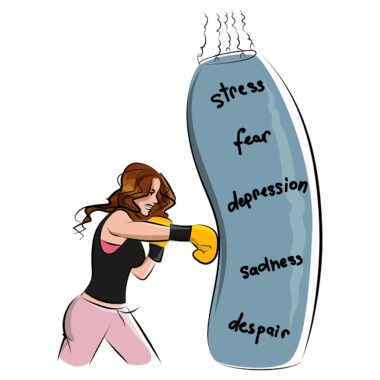
The science of adaptive fitness underlines the need for tailored exercise programs that meet individual goals, especially under the lens of mental health. Studies show that physical activity positively impacts mental health by releasing endorphins, which are vital for enhancing mood and reducing feelings of depression. Adaptive fitness equipment addresses the unique limitations and challenges faced by individuals with disabilities, ensuring optimal support during workouts. This includes ergonomic designs, adjustable features, and user-friendly interfaces that encourage independent use. By providing an extensive range of equipment options, individuals can select tools that align with their abilities and preferences. Moreover, adaptive fitness promotes social inclusion through group activities that further enhance mental health benefits. Working out in a communal environment reduces feelings of isolation and builds social networks, proving critical for mental well-being. Thus, adaptive fitness is not merely a physical exercise regimen; it encompasses a broader framework for addressing emotional and psychological challenges faced by individuals. These benefits pave the way for a more inclusive approach to health and fitness, emphasizing that everyone deserves access to resources supporting their mental well-being.
To facilitate better understanding and engagement, specialized adaptive equipment has emerged, making exercise routines more enjoyable and effective. Functional trainer machines designed with inclusive features, for instance, allow users with varied physical conditions to partake in various exercises. Such adaptability leads to improved user motivation, fostering mental resilience by creating a sense of accomplishment. Inclusive designs in adaptive fitness equipment also alleviate the stigma sometimes associated with disabilities. When individuals engage with appropriately designed equipment, it often boosts their self-esteem and enhances their mental outlook, which is crucial for a positive self-image. Furthermore, technology integration in adaptive fitness—like virtual trainers and fitness apps—offers personalized guidance and tracking. This individualized feedback and encouragement empower users to set and achieve their fitness goals, thereby driving psychological satisfaction. Beyond just functionality, the aesthetic appeal of adaptive equipment can also contribute positively to mental health. Bright colors, modern designs, and user-friendly interfaces draw individuals towards fitness activities, inspiring them to sustain long-term engagement. Ultimately, these innovations are reshaping how individuals with disabilities interact with fitness and their mental well-being.
Incorporating Mindfulness in Adaptive Fitness
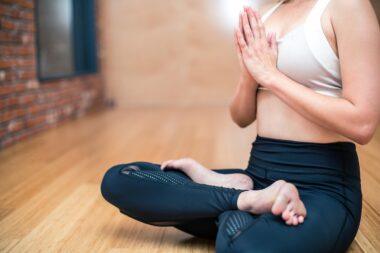
Mindfulness is increasingly recognized as a significant element in promoting mental health, particularly within adaptive fitness frameworks. As individuals engage in physical activities, the reflective practice of mindfulness encourages a deeper connection between body and mind, enhancing the experience. Equipment that integrates techniques, such as yoga or meditation balls, emphasizes mental awareness and can lead to improved emotional regulation. Such practices not only enhance user experience but also promote a greater understanding of one’s body and capabilities. Personalized adaptive equipment that incorporates mindfulness elements allows users to focus on their breath and movements, aligning physical actions with mental presence. This connection can alleviate stress and anxiety, resulting in improved overall mental health. Moreover, mindfulness within adaptive fitness settings can encourage positive social interactions, creating supportive communities where individuals uplift one another. These connections further enhance user motivation and commitment to fitness routines. Programs designed to combine physical exercise with mindfulness practices are offering holistic approaches to health, illustrating the powerful intersection between physical and mental well-being. Significantly, it empowers individuals with disabilities to embrace their fitness journey positively.
Furthermore, collaboration with mental health professionals ensures that adaptive fitness programs effectively cater to psychological needs. These partnerships enhance the understanding of how physical fitness can be mindful and therapeutic. Consequently, adaptive fitness equipment manufacturers are more appropriately equipped to design products that align with psychological frameworks. This collaboration helps create equipment tailored to promote both physical and mental engagement. Group fitness environments, facilitated by professionals, can also provide immeasurable support for individuals facing mental health challenges. Participants gain not only physical fitness but also community support. These settings foster a sense of belonging that is crucial for mental well-being. Additionally, providing educational resources alongside adaptive fitness equipment encourages individuals to prioritize mental health through physical activity. Workshops or seminars highlighting mental health awareness can equip users with valuable coping strategies. Incorporating educational elements into fitness programs enhances empowerment and independence. Ultimately, adaptive fitness serves as a bridge to improved mental health outcomes by recognizing the interconnectedness of physical activity and emotional well-being, offering unique strategies for addressing both components in individuals with disabilities.
Future Trends in Adaptive Fitness Equipment
Looking ahead, the future of adaptive fitness equipment is promising as innovation continues to evolve in various directions. Advancements in technology will likely lead to even more sophisticated designs tailored for different disabilities. Smart equipment that uses artificial intelligence (AI) to adapt to the user’s abilities and progress showcases a potential future direction. This could include automation features that adjust resistance levels or provide real-time feedback, enhancing user experience significantly. Wearable technology tailored for individuals with disabilities is also on the rise. Such devices can track vital health metrics, providing essential insights about both physical and mental well-being. Furthermore, virtual reality (VR) can emerge as an immersive fitness option, allowing users to engage in physical activities within enveloping experiences, offering unique benefits for mental health. Inclusive fitness apps are expected to proliferate, providing communities with resources tailored to adaptive workouts and accessibility. Equipment aesthetics will also continue to evolve, with manufacturers emphasizing vibrant designs that attract users’ attention. Overall, these trends signify an ongoing commitment to enhancing both physical activity and mental well-being through adaptive fitness, focusing on inclusivity, innovation, and personal growth.
In conclusion, the intersection of adaptive fitness and mental well-being brings renewed hope and possibilities for individuals with disabilities. Innovative adaptive fitness equipment is crafting spaces that break the barriers previously associated with physical limitations. By cultivating environments that prioritize both inclusion and engagement, individuals can pursue meaningful fitness experiences that contribute significantly to their mental health. The collaboration between fitness providers, mental health professionals, and equipment manufacturers emphasizes the importance of seeing mental health as an essential component of physical fitness. This holistic approach ensures that individuals with disabilities feel empowered, validated, and understood in their fitness journey. The ongoing trends signify a paradigm shift towards adaptive fitness practices advocating for mental health awareness and sustainable emotional well-being. As this movement continues to expand, further innovations in adaptive fitness equipment will undoubtedly support more individuals on their unique paths to fitness and mental wellness. Communities made up of strong support networks will thrive as people recognize the profound impact of physical engagement on emotional stability. Finally, fostering such connections will ensure that everyone has access to adaptive fitness that supports both physical health and mental well-being, empowering them to overcome challenges and flourish.