
From Local Pools to World Stage: Rising Swimming Competitors to Watch
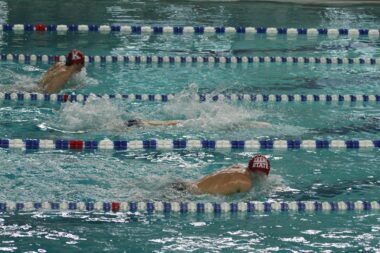
Swimming is a sport that continually produces exceptional athletes, with many making their mark at local events. Yet, some young swimmers consistently demonstrate extraordinary talent that distinguishes them from their peers. These competitors are rising stars, setting ambitious goals and often achieving remarkable milestones in regional competitions. Their unique determination, coupled with unwavering passion for the sport, enables them to excel. As they move from local competitions into national and international arenas, it becomes essential to keep an eye on their progress. Often, these athletes train with various coaching methods that help to enhance their skills, preparing them for tougher challenges ahead. Many also participate in rigorous training programs, pushing their limits to improve their performance continually. Their dedication and commitment to their races showcase their potential to become champions. Many of these athletes have already caught the eye of scouts and sponsors who see their promise. Their stories inspire younger generations to take up swimming, as they demonstrate the achievements possible through hard work and perseverance.
The Next Generation of Swimmers: Profiles of Emerging Talents
Among the rising talents, several swimmers are notable for their impressive achievements early in their careers. One such athlete is Emily Reyes, a 16-year-old freestyle specialist from California. Reyes has consistently broken local records and earned gold medals in multiple age group competitions. Her training regime includes swimming over twenty hours a week, paired with strength and conditioning workouts. Another emerging competitor is Ryan Martinez, a breaststroke swimmer from Texas who has already qualified for national events at only 15. His technique and speed set him apart from most of his competitors. Both athletes have shown strong resilience in the face of challenges, working through injuries and setbacks. Their stories remind us that the path to success in swimming is not just about talent but also mental toughness. Many promising competitors like them are already participating in competitive swimming forums and training camps, which often scout for talent. These competitive environments further hone their skills, ensuring they remain focused on their goals. Such platforms serve as launch pads for young swimmers heading towards the international stage.
When analyzing these rising athletes, it is crucial to highlight their unique training regimens. Much of their success results from calculated, tailored training strategies. Athletes like Sophie Daniel, a distance swimmer, emphasize endurance training and cross-training disciplines such as Pilates and yoga. These activities enhance their body awareness and flexibility, crucial for peak performance. Other swimmers focus heavily on technique, working with specialized coaches to perfect their strokes. This attention to detail often results in marked improvements in their split times during competitions. Nutrition is equally important, with many embracing balanced diets rich in proteins and healthy fats to support their rigorous training schedules. These young swimmers often track their progress meticulously to ensure continuous improvement. Moreover, participation in competitions at progressively higher levels fosters mental fortitude essential for the sport. Engaging with a supportive community of coaches and fellow swimmers further helps them stay motivated. The synergy between physical training, mental preparation, and nutrition plays a vital role in creating well-rounded competitors who not only dominate local pools but may soon grace international competitions.
The Role of Technology in Training
Another essential factor in the journey of these rising swimming competitors is the significant role of technology in their training and performance analysis. With advancements like wearable technology, athletes can monitor heart rates and other vital statistics, enhancing their training efforts. In addition, video analysis tools help swimmers refine their techniques, revealing areas where they can improve. This feedback can be invaluable, allowing competitors to adjust their form and strategy in real time. Many are also using apps that track their progress and offer tailored workouts designed specifically for their needs. These conveniences enable young swimmers to set realistic goals and achieve them systematically, significantly impacting performance. As they transition from local to national competitions, the adoption of technology ensures they remain competitive with the best athletes. Moreover, clubs increasingly invest in high-tech training facilities that feature underwater cameras and digital trackers. By harnessing these innovations, swimmers can educate themselves on areas needing enhancement while using data-driven approaches to optimize their training sessions. This integration of technology sets these competitors on the right course toward becoming champions.
Support systems also significantly contribute to the journey of rising swimming competitors. Family, coaches, and teammates play pivotal roles in their success by motivating them and providing constructive feedback. Coaches help refine techniques, implement strategies, and offer invaluable advice throughout the intensely competitive landscape of swimming. On the other hand, supportive families often drive these athletes to training sessions and competitions, ensuring they have all the resources they need to succeed. Teammates serve as an additional layer of encouragement, fostering a sense of camaraderie that is essential for mental resilience. Bonding with fellow swimmers who share similar ambitions can alleviate pressure and enhance performance by creating a motivating environment. Many swimmers engage in team-building activities, fostering trust and shared experiences that contribute to overall growth and skill enhancement. These relationships often extend beyond the sport itself, creating lasting friendships that make the intense work worthwhile. This collective approach to development within a robust network ensures that swimmers remain focused on their goals and continue to push boundaries.
Setting Goals and Overcoming Challenges
A significant aspect of a young swimmer’s journey is the ability to set realistic, achievable goals while also preparing to overcome countless challenges. Athletes like Jake Thompson have mastered this process, utilizing short-term goals to maintain motivation throughout rigorous training schedules. Thompson, recognized for his individual medley prowess, emphasizes the importance of aligning daily efforts with long-term aspirations. When swimmers set small benchmarks, it becomes easier to manage the pressures of performance. Additionally, navigating setbacks, whether through injuries or unexpected competition outcomes, requires mental resilience. Competitors develop coping mechanisms, such as visualization techniques and mindfulness practices, to handle competition stress and avoid burnout. Moreover, emerging rivalries within the sport can add to competitive pressure, making it vital to maintain composure and focus on personal improvement. These skills equip young athletes with the confidence to tackle challenges head-on and evolve, both in and out of the water. This duality—maintaining personal goals while engaging in fierce competition—drives young swimmers to continuously strive for greatness, making their journey impactful.
In conclusion, the journey of rising swimming competitors is as inspiring as it is challenging. Young athletes like Emily Reyes and Ryan Martinez demonstrate incredible potential both in competitions and in personal growth. Supported by dedicated coaches, families, and peers, these individuals exhibit the ambition needed to reach stunning heights in their swimming careers. Their embrace of technology further aids in refining their performance, ensuring they stay ahead. As they balance personal goals with a competitive spirit, these swimmers exemplify resilience, paving the way for future generations. The commitment they show to their training, despite obstacles they may face, showcases true sportsmanship in every sense. Their stories highlight how dedication, hard work, and innovative training methodologies contribute to their success. Furthermore, as these athletes prepare to make waves on the national and global stages, they will likely inspire countless others to pursue swimming passionately. The swimming community eagerly anticipates their future accomplishments, which may one day include medals and accolades on international platforms.