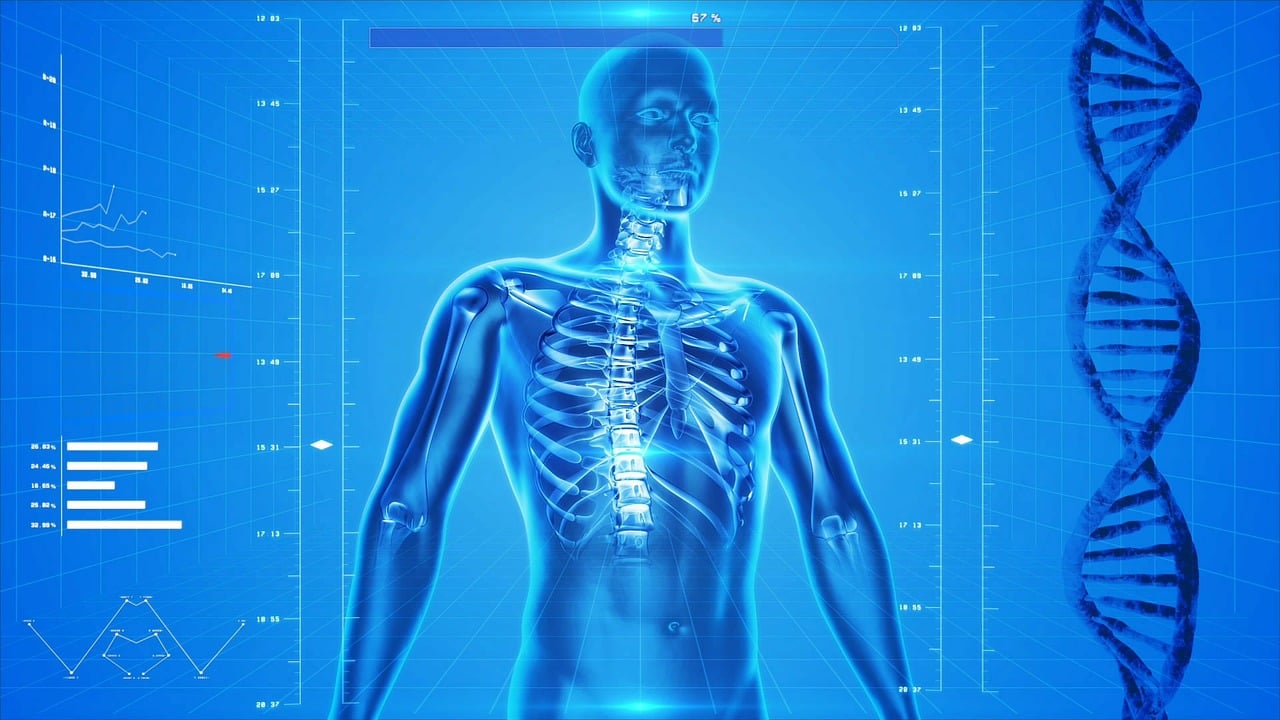

The Role of Technology in Improving Body Composition Analysis
Body composition analysis is crucial for understanding health, fitness, and metabolism. It goes beyond simple weight measurement, providing details on the proportion of fat, muscle, and other tissues. Traditional methods, including skinfold measuring and bioelectrical impedance analysis, have shown effectiveness yet are sometimes limited in accuracy. Recent technological advancements have revolutionized this field. Now, body composition analysis tools use advanced imaging techniques and algorithms, providing a more comprehensive overview of body health. Moreover, these technologies enable users to track changes over time, making it easier to set fitness goals and monitor progress. Enhanced accuracy is one of the critical advantages of recent developments compared to older methods. Many devices now incorporate connectivity features, allowing for real-time data sharing with fitness apps and health professionals. This leads to well-informed decisions about exercise and nutrition. Due to continuous innovation, the methods for body composition analysis are evolving rapidly, making technology essential in promoting healthier lifestyles and increased performance. Investing in these technologies can significantly benefit anyone seeking to optimize their health and fitness journey, ultimately leading to improved quality of life.
Modern techniques utilize various technologies designed for more precise metrics. For instance, dual-energy X-ray absorptiometry (DXA) offers insights into bone density and body fat percentage, providing a fuller picture of one’s bodily health. Magnetic resonance imaging (MRI) also presents detailed examinations, distinguishing between different tissue types. These approaches yield a depth of information that can guide personalized training and nutritional plans effectively. By aligning body composition analysis with technology, individuals can identify body fat distribution and muscle-to-fat ratios comprehensively. Additionally, wearable devices have become increasingly popular among fitness enthusiasts, supplying constant data about body composition. Innovations such as smart scales connect via Bluetooth to apps, presenting users with real-time insights into their body metrics and trends. These devices capture a broad range of data and can turn the process of monitoring personal health into an engaging activity. With gamification elements integrated into many applications, users are encouraged to achieve their health goals. Collectively, these modern technologies contribute significantly to how society approaches health, fitness, and overall well-being, ensuring that personalized health is more accessible than ever before.
Another transformative technology is the use of infrared body composition analyzers. By emitting infrared light and measuring the absorption by different tissues, these devices can provide estimations of fat-free mass and fat mass accurately. Its rapid and non-invasive approach makes it favorable in various settings, from fitness centers to medical clinics. Users can receive results almost instantly, allowing for quick assessments during regular check-ups or fitness evaluations. Furthermore, breath-based technology is emerging, enabling body composition estimation through analyzing breath composition. This less intrusive method is worth watching as it capitalizes on the body’s metabolic processes without the need for interfacing equipment. The potential for these innovations is vast, as they present new avenues for research and precise health diagnostics. The integration of technology into body composition analysis may lead to personalized approaches in dietary plans, supplements, and workouts based on real-time data. As technology continues to evolve, we may see other innovative methods entering the market, changing how we perceive and approach body composition modeling in ways we have not even begun to imagine.
Impact on Fitness Monitoring
The advancement of technology significantly impacts fitness monitoring. With the incorporation of sophisticated body composition analysis methods, individuals can gain an accurate understanding of their physical state. Accurate data yield significant benefits. This includes improved assessment of one’s health in relation to fitness activities, which can enhance training efficiency. Fitness apps synchronizing with modern analyzers provide feedback that is both timely and actionable, aiding users in adapting their routines accordingly. These developments support a more scientific approach towards fitness goals. For example, understanding body composition allows individuals to target fat loss while preserving muscle mass, leading to better aesthetic and health outcomes. This personalized insight revolutionizes traditional fitness methodologies, empowering individuals with knowledge tailored to their specific physiologies. Furthermore, accurate metrics help trainers create customized workout plans that cater to individual needs. This ensures that workouts are efficient and goal-oriented rather than generic. As technology continues to evolve, we are likely to witness more intricate relationships between body composition analysis methods and personal training, revolutionizing fitness as we know it. This shift helps many achieve their fitness goals in a systematic and measurable way.
To ensure effective implementation of body composition analysis, education about these technologies is critical. As health and fitness enthusiasts embrace these innovative methods, understanding how to interpret results becomes essential. Training sessions focusing on educating users about the technology and its benefits can empower individuals to take charge of their health. Moreover, integrating these analyses into routine health consultations can lead to better patient outcomes. Health professionals must also adapt to this technological shift by offering insights that guide their clients through interpretation. Through collaboration, fitness trainers, healthcare professionals, and nutritionists can optimize results for clients, creating holistic plans for improved health. Technology serves as an ally in this regard, aiding professionals in developing strategies based on precise measurements. Furthermore, community engagement is vital; workshops and health fairs featuring demonstrations on body composition technologies can enhance awareness and understanding. These initiatives encourage individuals to prioritize their health and make informed decisions. As society grows more health-conscious, a focus on education about body composition analysis tools can have a profound impact on enhancing public health and well-being.
Future of Body Composition Technologies
The future of body composition technology looks exceptionally promising. Continuous growth in artificial intelligence and machine learning could bring about more precise and individualized analysis methods. Companies developing health technologies are exploring ways to develop algorithms that can learn from user feedback, improving their suggestions and protocols over time. This technology might enable users to receive more tailored dietary and exercise recommendations by addressing unique body composition metrics. Additionally, innovations in imaging technology layout prospective pathways for enhanced health diagnostics. Portable ultrasound devices that can measure body fat and water retention in real-time could change the landscape of personal health management dramatically. Thus, users will have access to sophisticated analysis methods even in remote locations. Furthermore, interdisciplinary collaborations will play an essential role in shaping these technologies. By working collectively, experts in fitness, nutrition, and technology can create comprehensive experiences that address all aspects of health. Investing in the journey towards smarter body composition analysis not only supports personal health development but will also likely revolutionize how society manages health and fitness programs, catalyzing better health outcomes for everyone.
In conclusion, the technology used in body composition analysis evolves rapidly, influencing health and fitness positively. From improved accuracy to the integration of real-time data tracking, these methods allow for greater customization in health and fitness programming. Individuals can take control of their health journey through their engagement with these technologies, leading to informed decision-making based on sound evidence. The continuous improvement in body composition analysis tools will empower users to become proactive regarding their fitness and well-being. Moreover, as these technologies become more accessible, there’s potential for broader societal impacts. Individuals who understand their body composition can contribute to public health awareness, advocating for healthier choices throughout communities. This creates a ripple effect, enhancing the collective health landscape. The role of technology is pivotal in this ongoing journey of health assessment, offering tools that transform how people approach fitness and wellness. As the conversation around body composition analysis continues, the emphasis on technology will likely remain, ensuring that future advancements further improve health and fitness methodologies. The synergistic relationship between technology and health continues to evolve, promising exciting developments in body composition analysis.
With ongoing research, we can expect even greater innovations in the field of body composition analysis. As new technologies emerge, the potential for more accurate and individualized metrics grows exponentially. The emphasis on evidence-based methods ensures that fitness enthusiasts, health professionals, and the general public are equipped with tools that optimize health outcomes. Furthermore, public perception of body composition analysis will evolve, recognizing it as an essential component of overall health assessment rather than merely weight loss. As we embrace this shift, we also foster a culture that prioritizes well-being over outdated ideas of beauty and fitness. This aligns with the increasing recognition of mental health as a fundamental component of wellness, reinforcing the idea that health is multifaceted. Consequently, we can expect a more holistic approach to body composition analysis, where physical, emotional, and psychological aspects intersect, creating a complete picture of health. The continued development and improvement of these technological tools signal a brighter future for health monitoring strategies. In time, they may facilitate preventive measures that can save lives by identifying risks before they escalate into serious health issues. Together with heightened awareness, these advancements will revolutionize health and fitness, promoting life-long wellness.