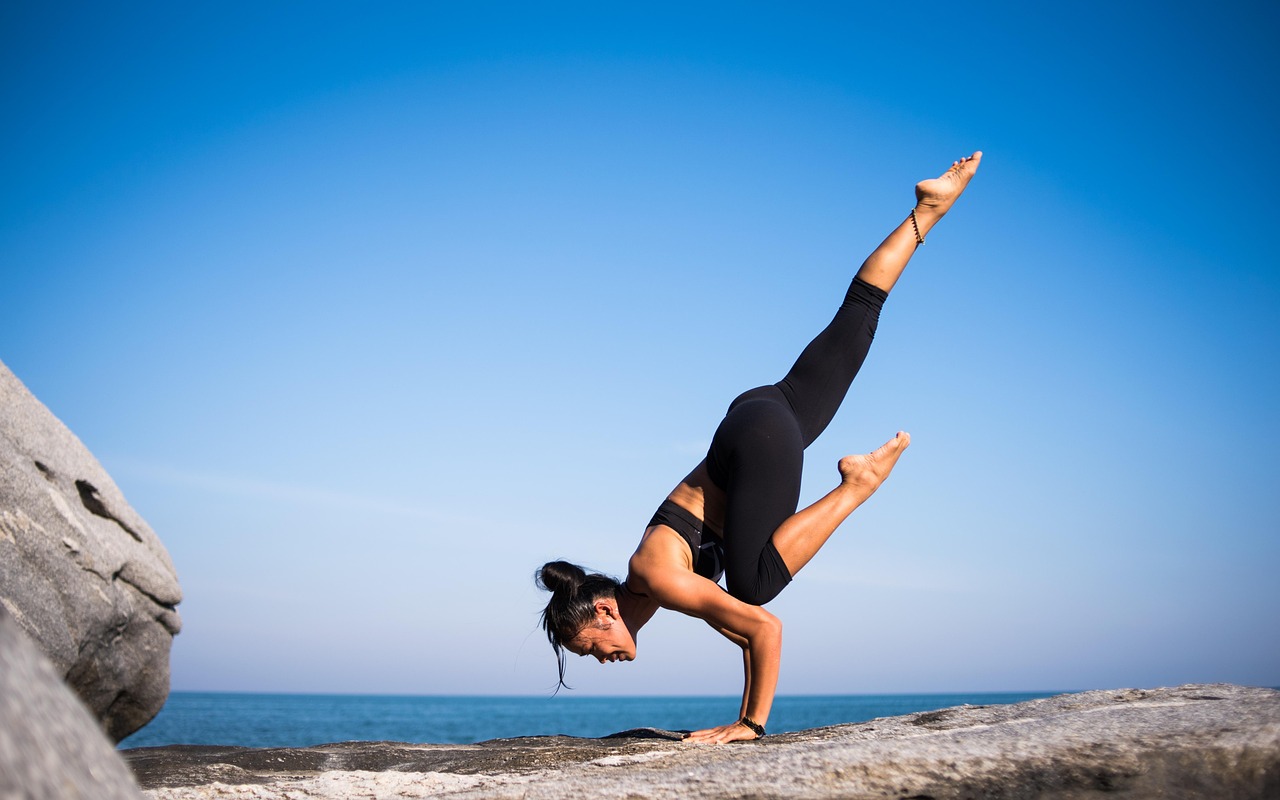

Safety Guidelines for Balance Training in Group Fitness
When engaging in balance training during group fitness classes, safety should be the top priority. Proper guidelines help ensure that participants can achieve their fitness goals without risking injury. Firstly, it is crucial to begin each session with a thorough warm-up. This helps to prepare the muscles and joints for the challenges they will face. Instructors should always emphasize the importance of using appropriate footwear; non-slip shoes provide better stability. Lastly, participants should be encouraged to be aware of their surroundings. Having ample space to move will prevent unintended accidents that could lead to falls or injuries. Instructors should constantly monitor participants, offering assistance and modifications when necessary. Equipment used in balance training should be appropriate for all skill levels to ensure general inclusivity throughout the group. Lastly, ensuring that the area is free from obstacles can greatly forebode unpredictable events, enabling a more enjoyable experience. By following these guidelines, group fitness classes can promote a safe and supportive environment for everyone involved. Always remember that balance training is not only beneficial for stability but also for overall health improvement. Prioritizing safety creates a positive workout experience.
Proper Techniques for Balance Training
Mastering proper techniques is essential for effective balance training in group fitness. Teaching participants the basics of stabilization exercises ensures they can build strength. One effective position includes the single-leg stance. This simple yet powerful technique involves lifting one leg and balancing on the other while engaging core muscles. Instructors should ensure that participants maintain an upright posture, with shoulders relaxed and standing tall to maximize effectiveness. An accessible exercise for beginners is the tree pose, where individuals lift one foot and place it on the inner thigh of the standing leg while keeping the body straight. When performing these exercises, participants should focus on finding their balance points and maintaining control over movements. Additionally, modifications such as holding onto a wall or using a sturdy chair for support can assist those newer to balance training. As individuals progress, challenges can be introduced, such as closing the eyes or performing movements on unstable surfaces like balance discs. Encouragement plays a crucial role in boosting confidence while participants strive to improve their skills. These techniques enhance both coordination and functional fitness.
Maintaining an engaging and inspiring atmosphere during balance training is essential for participant success. Setting clear objectives for each session will help maintain focus and motivation throughout the workout. Instructors should emphasize that improvement takes time and is not always linear. Positive reinforcement plays a significant role in enhancing motivation, ensuring that participants are enthusiastic about their progress. Creating a supportive environment fosters camaraderie, which helps participants feel comfortable learning and practicing alongside others. Instructors can utilize group challenges, such as timed balance stands or cooperative exercises, to boost engagement. These activities can foster teamwork, leading to positive experiences that participants remember. Additionally, providing frequent feedback allows trainees to understand their progress and identify areas for improvement. Utilizing visual aids and demonstrations can be beneficial for comprehension. Guidelines should be clear, with emphasis on safety precautions. Instructors must encourage open communication, inviting participants to express any difficulties they face. Striking a balance between challenge and comfort is vital, as it cultivates a sense of achievement while preventing frustration. By fostering a positive group fitness culture, balance training can be a rewarding experience for all.
Key Considerations for Injury Prevention
Injury prevention should always be a central focus when leading balance training classes within a group fitness environment. To reduce the risk of injury, it is essential to conduct thorough assessments of participants’ abilities prior to beginning exercises. Understanding each individual’s fitness level allows instructors to tailor exercises. Strategies such as starting with lower-intensity activities are particularly beneficial for beginners. Instructors can gradually introduce more advanced techniques as students develop their balance skills and confidence. Ensuring that the floor surface is suitable for movement is critical, as uneven or slippery surfaces can heighten the chances of falls. Additionally, ensuring that participants understand how to perform each exercise safely is essential to avoid overexertion. Proper body mechanics should be taught to prevent strains and misalignments. Instructors should be aware of participant fatigue and encourage breaks when necessary, allowing time for recovery. Emphasizing hydration can also play a role in keeping participants energized and focused to minimize accidents. In fostering an environment of safety, participants are more likely to enjoy their experiences and continue attending classes for personal improvement.
Listening to participant feedback is another vital aspect of ensuring safety in balance training classes. Instructors should encourage participants to voice any concerns or discomfort they experience during exercises, enabling them to receive appropriate modifications. Regularly gathering participants’ opinions helps to identify trends or issues that may need addressing. This open communication fosters trust and collaboration between instructors and participants. Instructors should offer pre- and post-session discussions to give and receive feedback on group experiences. Incorporating participant suggestions into future classes can keep workouts fresh and engaging. Furthermore, adjusting class formats based on specific needs can make balance training more effective. Instructors should remain empathetic to participants’ backgrounds, acknowledging that everyone has different experiences and skill levels. Tailoring classes creates an inclusive environment, promoting a more enjoyable atmosphere. Regularly rotating instructors can provide diverse perspectives, appealing to various learning styles. This adaptability will encourage participants to embrace their journey toward improved balance and stability as they feel invested in their classes. Building a strong connection will further enhance the overall group experience.
Utilizing Props and Equipment
Incorporating props and equipment into balance training can significantly enhance the experience of group fitness classes. Stability balls, balance boards, and foam pads are excellent tools to improve stability and proprioception. The use of these elements can introduce variety while helping participants to develop new skills effectively. When introducing props, instructors should first demonstrate proper use and safety precautions to ensure everyone understands their functions. Adjusting equipment to each participant’s skill level allows for a more personalized training experience. Group classes that incorporate sliding discs or resistance bands can also add an element of fun while maintaining focus on stability training. Instructors should monitor the use of equipment closely to ensure safety and effectiveness. Regularly changing props not only keeps workouts interesting but also encourages participants to remain engaged and motivated. It is essential to encourage exploration while emphasizing that safety should never be compromised. Participants can be grouped based on skill level when using equipment, enabling targeted exercises. This dynamic approach increases overall class enjoyment and instills a sense of accomplishment when achieving personal goals.
To create lasting benefits from balance training, setting realistic and measurable goals is important for group fitness participants. Instructors should help individuals establish specific objectives, such as holding a pose longer or improving overall stability during activities. SMART goals – Specific, Measurable, Achievable, Relevant, Time-bound – can serve as a valuable framework for participants to track progress. Regular check-ins throughout the training cycle can help assess development and foster motivation. A culture of achievement can emerge when participants share their milestones, as this creates a supportive environment. As the group continues to improve, encouraging participants to challenge themselves can vary the intensity of their training. Evaluating goals should be an ongoing process, allowing adjustments based on personal experiences. Celebrating successes, no matter how small, enhances group dynamics and builds camaraderie, further motivating participants. Instructors should remind attendees that improvement can be nonlinear; persistence is essential to achieving long-term results. By prioritizing goals in balance training, participants remain focused, engaged, and excited about their fitness journeys, fostering a positive atmosphere that encourages ongoing participation.
The Role of Instructors in Promoting Safety
Instructors play a crucial role in promoting safety during balance training in group fitness classes. They should possess a thorough understanding of anatomy and injury prevention techniques to provide safe instruction. Instructors trained in first aid can offer reassurance in case of potential emergencies. This knowledge permits them to maintain a vigilant watch over participants and help them when needed. Additionally, clear explanations of exercises and their intended purpose can make all the difference in ensuring participants practice safely. Empowering students with knowledge about body mechanics can also help them recognize risks. Instructors should create an atmosphere of open communication to inspire participants to share their concerns, which ultimately fosters a supportive environment. Workshops can also provide ongoing education and training for instructors in new balance techniques and safety protocols applicable in group settings. By promoting collaborative learning, instructors strengthen their own abilities while enhancing class dynamics. Fostering a culture of safety and respect amongst group members is pivotal; such an environment ensures that everyone feels encouraged to face their challenges together in balance training.