
Avoiding Overtraining and Injury During Cycling Sessions
Cycling is an exceptional exercise for triathletes, yet it comes with its own set of risks, including overtraining and injuries. To mitigate these risks, it is paramount to incorporate proper warm-up routines, which prepare the body for intense physical activity. Start with gentle stretches focusing on key muscle groups, including the quadriceps, hamstrings, and calves. Additionally, gradually increase your pedaling pace during the first 10 minutes of your ride. It’s crucial to pay attention to your body signals; fatigue or pain is often an indicator that recovery is necessary. Maintaining a balanced training schedule is essential in cultivating endurance while ensuring ample time for recovery. Beyond resting, integrate cross-training activities, such as swimming or running, to engage different muscle groups and reduce overuse injury potential. This not only aids in muscle recovery but also keeps training varied and exciting. Consider working with a coach or following a structured training plan designed to manage intensity and volume effectively, keeping overtraining at bay. Remember, patience and consistency are fundamental to productive training without injury.
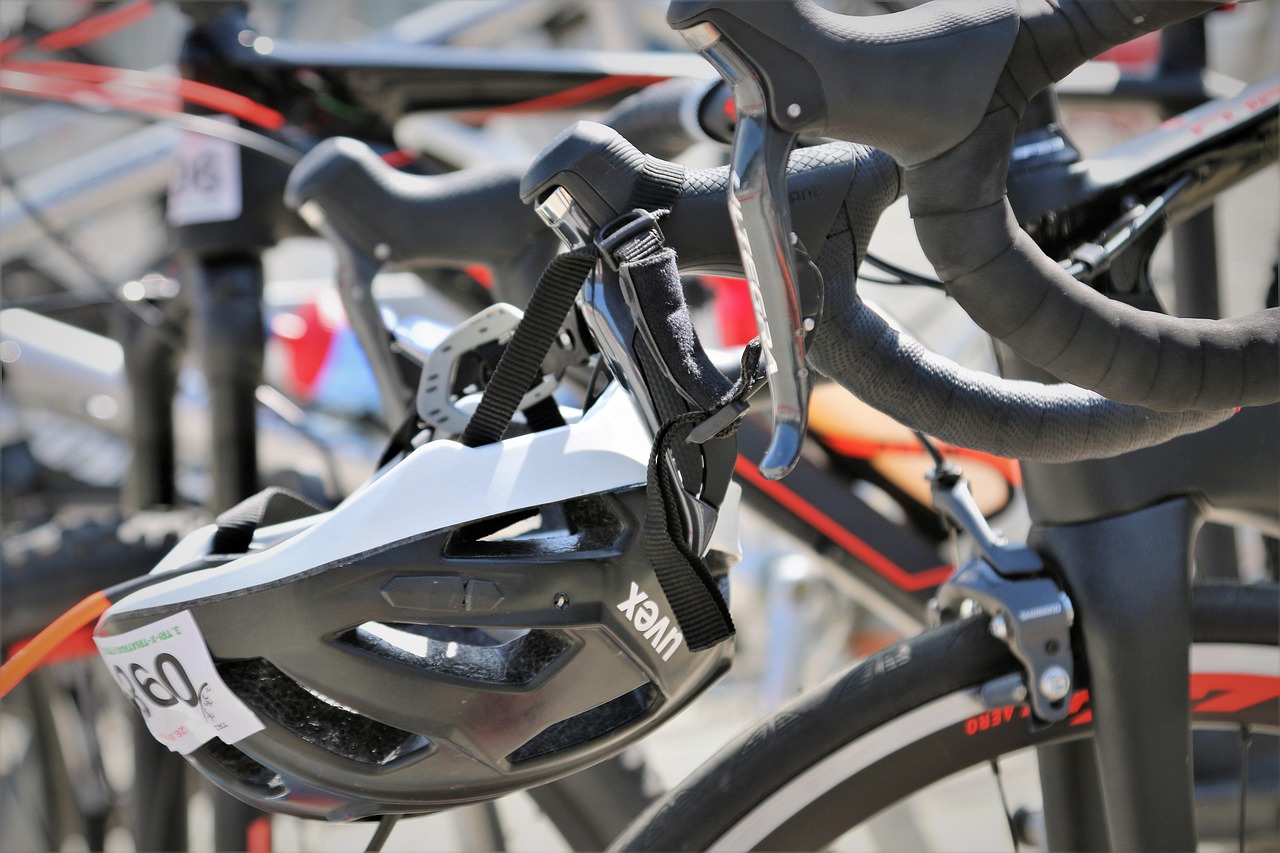
To stay safe during cycling, ensure that you have the right gear, including a well-fitting helmet and appropriate clothing. Helmets are non-negotiable; they significantly reduce the risk of severe head injuries. When selecting a helmet, look for one that meets safety standards and fits snugly without being uncomfortable. Cycling shorts made of padded material improve comfort during longer rides, reducing chafing and discomfort. Reflective clothing is vital for visibility, especially during twilight or dawn rides. Equip your bicycle with lights and reflectors to enhance your presence on the road, particularly in low-light conditions. Additionally, carrying repair tools, a spare tube, and a pump can prevent roadside misery from minor mechanical failures. Familiarize yourself with local cycling laws, including hand signals for turning and stopping, which contribute to road safety, particularly in urban areas. Cycle in a predictable manner and avoid sudden movements that may put you or others at risk. Staying aware of traffic and following a planned route can help you avoid hazardous areas. Ultimately, investing in safety gear not only bolsters your protection but also promotes a more enjoyable riding experience.
Establishing a Training Routine
Building a successful cycling routine as part of your triathlon training requires commitment and strategic planning. Begin by setting clear, achievable goals that align with your objectives as a cyclist. Gradually increase your weekly mileage by no more than 10%, allowing your body ample time to adapt to the growing demands. Your routine should also include varied workouts, balancing long endurance rides with interval training to boost speed and power. Interval training involves alternating short bursts of intense effort with periods of active recovery, a method proven to enhance overall fitness. Incorporate rest days and lighter weeks into your plan to prevent physical and mental fatigue. Making these adjustments can promote consistent progress without risking injury. Keep a training log detailing your rides, intensity levels, and recovery, which fosters accountability and assists in recognizing patterns that warrant attention. Adjust your routine based on your body’s response to training, as fine-tuning your schedule can lead to better performance outcomes. Remember, consistency paired with a sensible approach is crucial for long-lasting success in cycling.
Nutrition plays a pivotal role in assessing your performance during cycling training. Fueling your body with the right nutrients ensures optimal energy levels and promotes recovery. Focus on a balanced intake of carbohydrates, proteins, and healthy fats to support your training efforts. Carbohydrates are your primary energy source; consider incorporating whole grains, fruits, and vegetables into your diet. Furthermore, after a ride, refill your energy stores by consuming a meal rich in carbs and protein within 30 minutes. This not only enhances recovery but also prepares your muscles for future sessions. Hydration also cannot be overlooked; staying hydrated aids performance and helps prevent cramps and fatigue. During longer rides, carry fluids or plan routes with water stops. Electrolyte balance is vital to avoid dehydration, especially on warm days. Pay attention to signs of dehydration, including fatigue and dizziness, which may indicate that your body needs fluids. Additionally, consult a nutritionist familiar with triathlon training to create a personalized nutrition plan, catering to your specific needs and goals. A well-thought-out nutritional strategy will enhance your cycling performance and overall fitness.
Listening to Your Body
Understanding your body’s signals is crucial in avoiding overtraining and injuries while cycling. Pay attention to signs of exhaustion or discomfort that indicate your body may need a break. Overtraining can lead to decreased performance and a higher risk of injuries; being proactive in addressing these signals is key. Common indicators include persistent fatigue, excessive soreness, irritability, and lack of motivation or enthusiasm for training, each suggesting the need for a reduction in intensity or volume. Additionally, track your resting heart rate daily; elevated rates can indicate insufficient recovery and fatigue. Regularly including recovery strategies, such as foam rolling, stretching, and proper sleep, will support muscle recovery and enhance performance. Planning active recovery days with low-intensity activities like yoga or light cycling can help optimize recovery while maintaining engagement. Furthermore, establish open communication with your coach or training partners, sharing how your body feels during training. Open discussions can lead to valuable insights and camaraderie, ultimately fostering a supportive training environment. Ultimately, listening to your body will empower you to build a healthier, more sustainable cycling practice.
In addition to physical readiness, the mental aspect of cycling cannot be overlooked for successful training. Building a positive mental attitude can improve focus and motivation, essential for undertaking challenging rides. Establishing a consistent pre-ride routine can enhance mental clarity. This may include visualization techniques, where you imagine successfully completing your ride, or specific goals you wish to achieve during your session. Setting short-term and long-term goals promotes a sense of accomplishment and encourages commitment to your training. Consider joining cycling groups or clubs to gain both social support and camaraderie, as finding a community can make training feel less isolated. Engaging with fellow cyclists provides an opportunity to exchange tips and motivation, particularly during tough training blocks. Additionally, meditation or mindfulness can improve mental resilience and focus, helping you to cope with difficult moments during training. Lastly, approaching challenges with a positive mindset, such as viewing struggles as opportunities for growth, can bolster your confidence and dedication to cycling. Mental preparedness combined with physical training is integral to achieving goals while minimizing the risk of burnout or injury.
Monitoring Your Progress
Regularly assessing your cycling progress is essential in maintaining your training path and avoiding injury. Utilizing tools such as heart rate monitors, GPS devices, or cycling apps can provide analytics on your performance. By logging your metrics, including speed, distance, and heart rate, you can tailor your training accordingly. This data allows for reflection and adjustment, fostering a deeper understanding of your strengths and areas needing improvement. Conduct fitness assessments periodically, testing your endurance, speed, and power outputs. Monitoring your performance trends helps in making necessary adjustments in your routine, ensuring continual progression. It’s equally important to maintain flexibility in your training plan to cater to unexpected events or changes in your fitness level. If you find particular workouts increasingly challenging or feel consistently fatigued, don’t hesitate to reassess your goals and training volume. Embrace this process of trial and error as part of your journey as an athlete. Staying engaged in continuous education about cycling and injury prevention through workshops or reading credible sources can further enhance your skills and knowledge. Ultimately, consistent monitoring leads to informed decisions enhancing performance and reducing injury risks.
Safety, technique, and following your unique fitness journey are pivotal aspects of cycling. As you progress in your triathlon training, remember to celebrate your achievements, no matter how small. Developing resilience through cycling can have a profound impact on both your mental and physical wellbeing. While the training may be strenuous, each step taken contributes to personal growth and improved athletic prowess. Adverse conditions, such as harsher weather or rough terrain, should not deter you from your goals; instead, embrace them as challenges that can accelerate growth. Maintaining an adaptable mindset enhances your ability to navigate the dynamic world of cycling while still achieving your core objectives. Last but not least, remember that recovery is just as vital as training itself. Allocate appropriate time for both mental and physical recovery, as this balance will ultimately sustain your cycling career and help you perform your best. Surround yourself with supportive and like-minded individuals, attending training camps or events that cultivate your passion for cycling. Engage actively in the cycling community, sharing your experiences and insights, to inspire and motivate fellow athletes, creating a cycle of support and achievement.