
The Role of Music and Rhythm in Silat Training
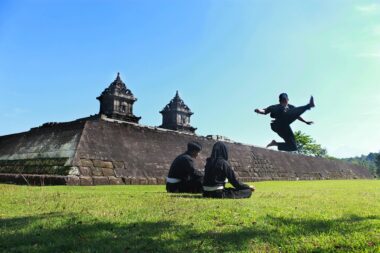
Silat is an ancient martial art rooted in Southeast Asian culture, renowned for its intricate movements, strategies, and self-defense techniques. The integration of music and rhythm in Silat training plays a pivotal role in developing a practitioner’s skills. Music establishes a unique atmosphere, fostering mental focus and emotional engagement. As trainees flow through specific sequences, rhythmic patterns enhance coordination and timing, essential elements in martial arts. Utilizing beats encourages consistent practice, allowing practitioners to internalize complex movements effectively. Moreover, music can provide motivation, pushing individuals to train harder and remain committed. The melodies often associated with Silat are steeped in cultural heritage, resonating deeply with practitioners. Recognizing the value of each sound, from the traditional gongs to modern beats, assists in creating a deeper connection to the art. Trainers often incorporate music during workouts to guide pace and intensity, making learning both enjoyable and effective. In this way, integrating music not only aids physical skills but also connects individuals to their cultural roots, making Silat a holistic experience where physical and mental training coalesce.
Building on the integration of rhythm, the practice of Silat demands practitioners to develop a keen sense of timing. This sensitivity is crucial, as fighters rely heavily on anticipation and reaction to their opponent’s moves. Through rhythmic training, individuals enhance their reflexes and spatial awareness, learning how to move in sync with varying beats. In essence, the tempo of music can dictate the pace at which practitioners execute techniques, facilitating a more fluid transition from one move to another. Whether it’s in solo forms or paired drills, music allows for an engaging practice environment. In essence, they transform a monotonous workout into an inspiring journey, maximizing the experience. As participants practice to the beat, they forge a deeper understanding of movement dynamics, leading to better coordination. This heightened awareness ultimately translates to improved techniques and a robust foundation for self-defense. Practitioners are encouraged to explore diverse musical styles, adapting their training sessions accordingly. This flexibility not only keeps training fresh but also allows individuals to embody different expressions within their Silat practices, showcasing their unique styles effectively.
Enhancing Mind-Body Connection
Incorporating music into training sessions of Silat profoundly enhances the mind-body connection. Music stimulates emotions and memories, further enriching the training experience as students develop their skills. As they engage with music, practitioners can tap into their emotional states, allowing them to perform with greater intent and focus. This connection proves vital, as martial arts also emphasize mental discipline alongside physical prowess. When immersed in rhythmic patterns, practitioners find themselves entering a state of flow, leading to improved performance levels. The excitement generated during training fosters creativity, enabling students to explore their styles and instincts freely. Moreover, understanding the significance of mental presence during training encourages deeper contemplation about techniques and adaptations. The synergy between rhythm and martial expression creates moments of insight, empowering students to push their limits. Learning to maintain this connection through music is a skill that carries over into sparring and real-life self-defense situations. In high-pressure moments, practitioners with a strong mind-body connection can respond more effectively, utilizing their training instinctively while remaining calm and aware.
Additionally, the role of traditional music should not be overlooked within Silat. Traditional rhythms often accompany specific forms and movements, serving not just a decorative purpose but acting as vital instructional tools. They introduce students to the historical roots of the art, imparting an understanding of its evolution. Learning the names and meanings behind traditional music deepens appreciation and respect towards the craft, forging a stronger connection between the practitioner and their training. Furthermore, traditional music often embodies cultural storytelling, enhancing the practice intellectually and emotionally. As students engage in their Silat training, they not only learn self-defense techniques but also absorb the narratives tied to various forms. This practice enriches the overall training experience, making it more than just physical movements. Emphasizing tradition also helps preserve cultural heritage, vital when sharing Silat with future generations. In embracing both modern and traditional music, practitioners find balance in their training, allowing them to innovate while respecting their roots. This dual approach also aids in creating uniquely personalized training sessions that reflect individual journeys in martial arts.
The Impact of Team Dynamics
When practicing Silat, the influence of group dynamics can significantly enhance the role of music and rhythm. Training in a collective setting fosters a sense of camaraderie, which music amplifies, creating a vibrant atmosphere. As practitioners work together, the shared experience of training with rhythmic music encourages teamwork, improving synchronization of their movements. Sparring and pair drills often become more fluid and enjoyable through rhythmic guidance, as partners develop a mutual understanding of pacing. This collaborative approach also allows practitioners to learn from one another, sharing insights inspired by the music. Furthermore, group training enhances accountability, motivating participants to remain committed to their practices. When paired with music, training sessions become a celebration of their dedication, amplifying enthusiasm and enjoyment. Each session creates lasting bonds among practitioners, enhancing the overall atmosphere for learning and growth. The blend of rhythm and teamwork emphasizes both individual performance and collective advancement in Silat. This environment ultimately helps cultivate discipline, resilience, and adaptability, crucial attributes when facing both practice challenges and real-world self-defense scenarios.
As practitioners progress within their Silat journey, performance before an audience can pose unique challenges and opportunities. Music plays a critical role in preparing individuals to showcase their skills confidently. The integration of rhythm during practice often translates to an elevated performance experience, as practitioners become accustomed to executing routines with musical accompaniment. These opportunities illustrate how rhythm shapes not only their technical skills but also their ability to engage an audience. Understanding the balance between precision and expression is vital when presenting martial arts. Performances infused with music allow practitioners to exhibit their artistic sides while staying true to the fundamental techniques of Silat. This duality often aids in forming lasting connections with spectators, drawing them into the essence of the art. Practitioners learn to control their presence and energy, further enhancing their capabilities. Performance situations challenge individuals to maintain focus amidst distractions, fostering growth in their self-discipline. This essential skill empowers participants to manage stress effectively, shaping their emotional resilience within and outside martial arts contexts, leading to enhanced overall self-confidence.
Conclusion: The Embrace of Rhythm and Culture
In conclusion, the emphasis on music and rhythm within Silat training is indispensable in shaping well-rounded practitioners. Engaging with various musical elements nurtures a deeper connection to the martial art, amplifying both physical and mental attributes. The synergy between sound and movement cultivates an enriching training experience, honing invaluable skills in coordination, timing, and reflexes. Additionally, the historical context imparted through traditional music strengthens participants’ understanding of their art’s cultural relevance. As practitioners embrace the role of music, they embark on a journey that unites mind, body, and spirit through rhythmic expression. The incorporation of rhythm transforms Silat from mere self-defense practice to a holistic exploration of personal growth and cultural appreciation. Practitioners walk away from their training sessions with newfound insights into their art while establishing a resonating connection with their heritage. This harmonious blend ultimately shapes a unique identity within each student, illuminating their paths in martial arts. Through the marriage of music and Silat training, individuals will continue to foster their legacies, inspiring future generations on this profound journey.
In conclusion, the emphasis on music and rhythm within Silat training is indispensable in shaping well-rounded practitioners. Engaging with various musical elements nurtures a deeper connection to the martial art, amplifying both physical and mental attributes. The synergy between sound and movement cultivates an enriching training experience, honing invaluable skills in coordination, timing, and reflexes. Additionally, the historical context imparted through traditional music strengthens participants’ understanding of their art’s cultural relevance. As practitioners embrace the role of music, they embark on a journey that unites mind, body, and spirit through rhythmic expression. The incorporation of rhythm transforms Silat from mere self-defense practice to a holistic exploration of personal growth and cultural appreciation. Practitioners walk away from their training sessions with newfound insights into their art while establishing a resonating connection with their heritage. This harmonious blend ultimately shapes a unique identity within each student, illuminating their paths in martial arts. Through the marriage of music and Silat training, individuals will continue to foster their legacies, inspiring future generations on this profound journey.