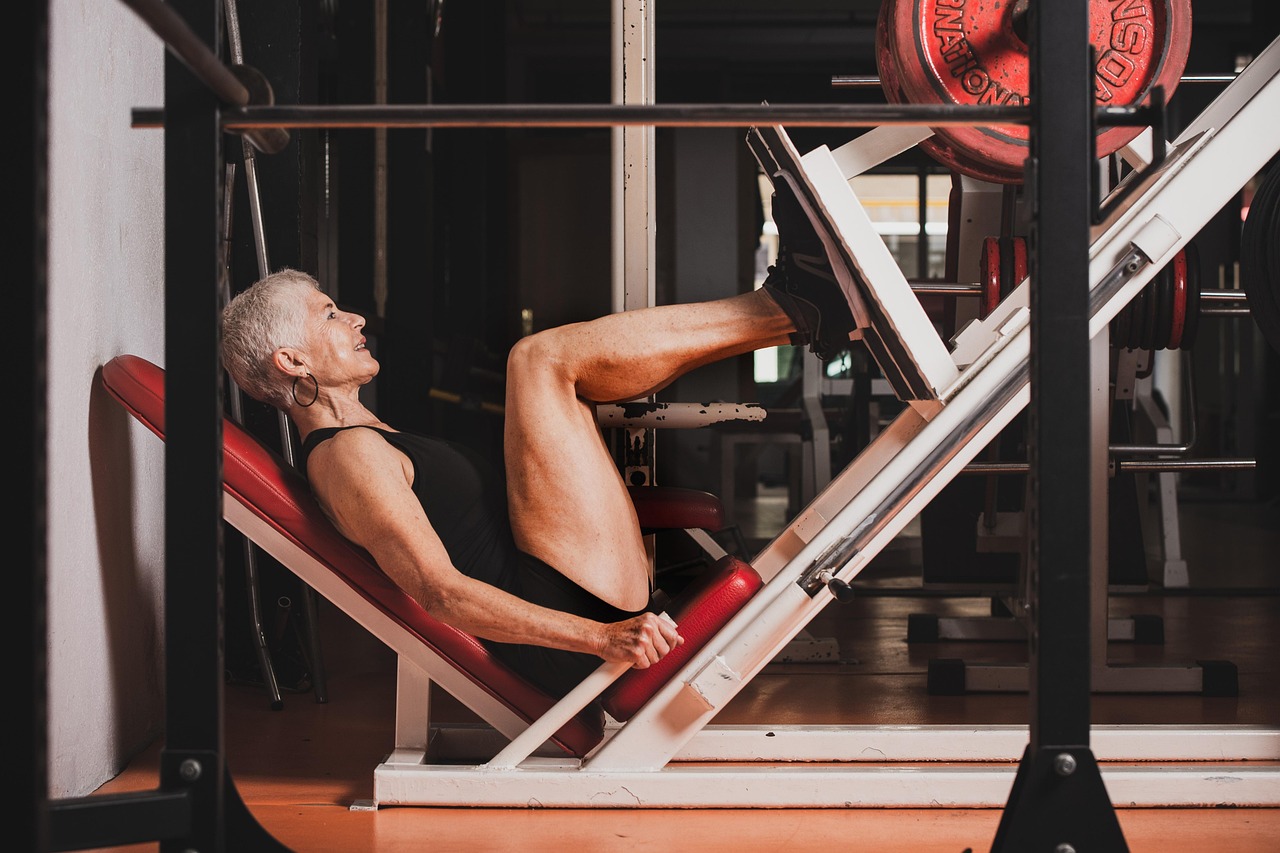

Benefits of Pool Workouts Versus Gym Workouts for Seniors
As seniors age, selecting the right fitness activity becomes crucial for overall well-being. Both pool workouts and traditional gym workouts have unique benefits that cater to the needs of older adults. Understanding these advantages can help seniors make informed choices about their fitness routines. Pool workouts offer an appealing low-impact alternative, which is particularly beneficial for those with joint issues or arthritis. They minimize the strain on the body while providing an effective cardiovascular workout. Conversely, gym workouts may emphasize strength training, which is essential for maintaining muscle mass. The variety of machines and free weights available in a gym allows seniors to target specific muscle groups. Additionally, many gyms offer classes tailored for seniors, ensuring that members can exercise in a safe and supervised environment. Ultimately, both exercise environments can contribute significantly to physical health, balancing strength with cardiovascular fitness. The choice often boils down to personal preference and accessibility. With a wide range of options available, seniors are encouraged to explore both settings for optimal health outcomes.
One of the primary advantages of swimming is its buoyancy, which supports the body while exercising. This effect reduces the risk of injury, especially for seniors struggling with osteoporosis or other bone-related issues. Water provides resistance, allowing for effective strength building without excessive impact. In contrast, gym workouts, while beneficial, can sometimes increase the likelihood of strain or injury due to weightlifting exercises. Seniors often find that pool workouts effectively engage the core and lower body, areas essential for balance and coordination. Furthermore, water exercises can be easily modified to suit individual fitness levels, making them scalable as strength improves. Seniors need to consult with a healthcare provider before initiating any new workout routine. It is essential to understand personal limitations and capabilities to select an appropriate fitness regimen. Combining both pool and gym workouts can provide a holistic approach to fitness for seniors. By alternating between these two activities, seniors can enjoy a balance of resistance training and cardiovascular workouts. Integrating both options allows for variety and prevents boredom while maintaining engagement in their fitness journey.
Social Interaction in Fitness
Social interaction is another significant aspect of fitness that often gets overlooked. Both gym and pool workouts can offer engaging environments where seniors can connect with others. Group classes at the gym or water aerobics sessions in pools enable seniors to exercise together, fostering friendships and encouraging commitment. This social motivation can enhance mental health and overall satisfaction with exercise routines. Water aerobics not only engages seniors physically but also provides a chance for social bonding. Forming connections within these classes enhances commitment while invigorating the workout experience. Gyms might also offer clubs or team events that cater to seniors, further promoting camaraderie. Increased motivation, resulting from workout buddies, can significantly impact exercise adherence. Meeting regularly for workouts builds accountability. In addition, many gyms often organize community events, encouraging seniors to socialize outside of regular workout sessions. Creating a community around fitness can be vital for emotional health, especially for seniors living alone. Ultimately, maintaining an active social life, alongside physical activity, enhances the overall benefits of exercise, making the experience more fulfilling for seniors.
Another essential factor to consider is the routine frequency and schedules available. Pools often offer extended hours, allowing seniors the flexibility to choose when they feel most comfortable exercising. Early mornings or late evenings are common times when seniors prefer to avoid crowds. This availability can lead to consistent attendance, which is key to reaping the full benefits of any exercise program. In contrast, some gyms might have limited hours, especially in smaller communities. Ensuring that workout facilities align with personal schedules increases the likelihood of maintaining a regular exercise regimen. Water workouts are often more forgiving in terms of scheduling. Furthermore, swimming sessions typically have a more relaxed atmosphere compared to gyms. This tranquility can reduce stress levels, making each workout more enjoyable. Seniors should identify what environments positively influence their fitness experience. Utilizing both pool workouts and traditional gym workouts can enhance adaptability. As seniors explore both options, they can determine which setting minimizes stress and fosters a more consistent fitness habit. Making informed decisions is a vital part of sustaining an active lifestyle.
Health Benefits of Different Types of Workouts
When comparing the health benefits of pool workouts and gym workouts, it’s essential to highlight cardio efficiency and strength training capabilities. Water exercises can elevate heart rates effectively while being gentle on joints. This efficiency allows seniors who may have mobility challenges to engage in cardiovascular workouts without fear of injury. Additionally, a swimming routine can strengthen the heart and improve lung capacity, contributing to overall wellbeing. On the other hand, gym workouts focus heavily on aerobic and strength-building exercises. Utilization of machines or free weights in the gym enhances muscle strength, which is essential as we age. Enhancing muscle mass contributes significantly to metabolism and overall energy levels. Thus, understanding how each type of workout supports cardiovascular health and muscle building is vital for seniors. Regular exercise can help prevent chronic illnesses, such as heart disease and diabetes. Seniors should explore integrating both workouts for a well-rounded approach, balancing cardiovascular endurance with muscle development. Ultimately, staying fit and healthy involves a combination of exercises tailored to individual preferences and health goals.
Moreover, the psychological benefits associated with consistent exercise should not be overlooked. Regular physical activity has been shown to diminish feelings of anxiety and depression, leading to improved mental health in seniors. Pool workouts provide a serene environment that can invigorate both mind and body, facilitating relaxation during each session. The soothing effect of water can lead to lower stress levels and promote tranquility. Conversely, gym workouts can provide distinct motivation due to the accomplishment of setting and reaching fitness goals. Each achievement boosts self-esteem and motivation to continue. Regardless of nearing age-related challenges, fitness can be a source of empowerment. The social interactions can contribute further to emotional well-being, as friendships formed can lead to increased happiness and companionship. Encouragement from peers often leads to consistent attendance and boosts morale. Both environments—pool and gym—each offer unique rewards in terms of mental health benefits. Seniors should assess which setting promotes greater enjoyment and engagement in their fitness endeavors. Ultimately, maintaining mental health through physical activity allows seniors to thrive in their daily lives.
Conclusion: Choosing the Right Workout
In conclusion, the choice between pool workouts and gym workouts for seniors depends on individual fitness goals, preferences, and comfort levels. Each environment offers unique benefits that can contribute significantly to overall health. Pool workouts excel in providing low-impact, joint-friendly options for cardiovascular exercise, while traditional gym workouts allow for focused strength training. A blended approach can maximize health benefits while minimizing risks associated with aging. It’s essential for seniors to select activities aligning with personal interests for sustained motivation. Whether opting for swimming, water aerobics, or gym training, exercising regularly is paramount. Consulting with fitness professionals or physical therapists can further assist in shaping a tailored workout routine to meet the specific needs of seniors. Prioritizing health through consistent physical activity promotes longevity and enhances quality of life. Therefore, as seniors embark on their fitness journey, they should remain open to variations, exploring both gym and pool workouts. Ultimately, engaging in regular exercise empowers seniors to lead active, fulfilling lives without compromising their health. Staying active opens doors to new opportunities for friendship and wellness.
Ensuring that you maintain an open mind towards each workout’s potential benefits is essential. The journey of fitness should be enjoyable, enabling seniors to explore their physical capabilities while reinforcing their mental fortitude.