
Using Circumference Measurements to Predict Competition Day Conditioning
Tracking progress in bodybuilding is crucial for athletes preparing for competitions. One effective method to evaluate improvements is utilizing circumference measurements. These measurements provide quantifiable data regarding muscle growth, body fat changes, and overall physique alterations. By regularly recording measurements, bodybuilders can monitor their progress more effectively. The process involves measuring various body parts, such as arms, chest, waist, and thighs. To obtain consistent results, it’s important to follow a structured approach, ensuring measurements are taken under the same conditions. Additionally, tracking changes over time helps in determining workout efficacy and diet adjustments. Understanding how each body part’s circumference changes can significantly enhance motivation and goal-setting. Athletes often find it helpful to visualize these changes, making them more determined to achieve their desired appearance. Furthermore, there’s evidence that circumference measurements correlate well with body composition changes. For competitors, this method can serve as a reliable predictor of conditioning on competition day. Implementing this tracking system can ultimately lead to better results, making it a great tool for bodybuilders aiming to maximize their potential.
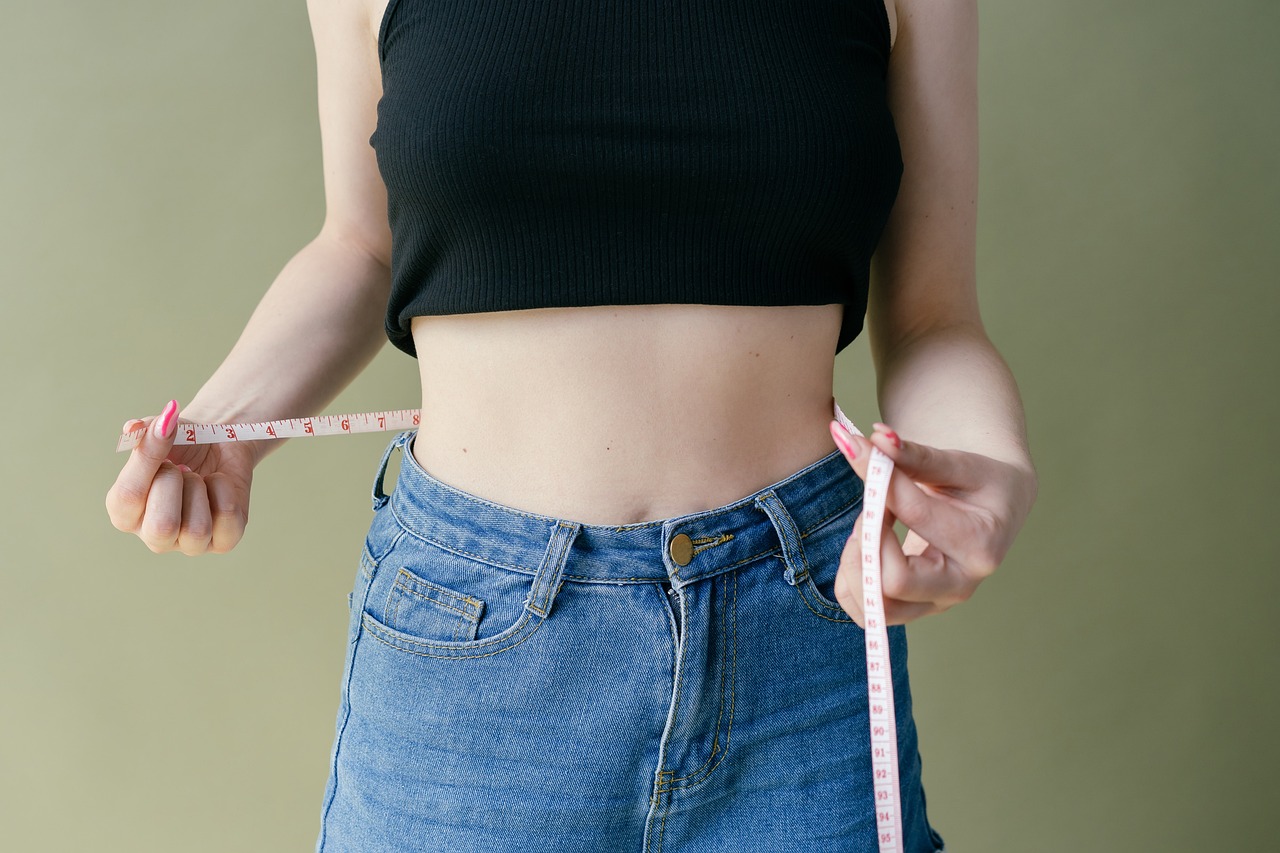
Consistency is key when it comes to body dimension measurements. Regularly taking measurements ensures accurate tracking, allowing bodybuilders to assess their physical condition effectively. To achieve this, setting a schedule for measuring is recommended, be it weekly or biweekly. Keeping the same time of day for each measurement helps in eliminating fluctuations due to food intake or hydration levels. This precision is essential, as the data collected can influence your training and diet strategies. Moreover, recording measurements in a dedicated journal or digital format can streamline this process significantly. This allows athletes to easily visualize their progress and maintain focus on their fitness goals. It’s also vital to use a reliable measuring tape and measure at the same locations consistently. For example, take arm measurements at the mid-point between the elbow and shoulder, ensuring accuracy while eliminating variability. Incorporating these practices into your routine can transform your body composition journey. It’s important to stay disciplined and diligent in this tracking process. Ultimately, rigorous monitoring of circumference can reveal beneficial insights that facilitate adjustments promoting success in bodybuilding competitions.
The Importance of Measurement Locations
Understanding where to measure is just as important as the act of measuring itself. Each body’s anatomical landmarks hold significant importance in establishing a routine. Accurate locations for circumference measurements include the upper arm, forearm, chest, waist, hips, thigh, and calf. These standard points are critical; measuring them consistently will offer reliable data. Therefore, it’s advisable to familiarize yourself with these specific body areas to ensure uniformity in measurements. For instance, measuring the waist should be done around the narrowest part of the torso, which can differ from person to person. Similarly, the thigh measurement should be around the fullest part of the thigh. When the proper landmarks are set, a baseline is established, creating a comparison for future measurements. This baseline can help you identify positive trends and provide motivation moving forward. Moreover, documenting the locations on a body diagram can serve as a visual aid, enhancing the clarity of your measurements. Engaging others in your process can also provide accountability and support. Fostering a community atmosphere makes tracking progress even more rewarding and fun.
In addition to physical dimensions, many bodybuilders also track body weight alongside circumference measurements. This combination creates a clearer picture of one’s fitness journey. However, it is essential to understand that body weight alone can be misleading, as it doesn’t reflect muscle versus fat ratio. Therefore, introducing circumference measurements allows for a more comprehensive analysis while preparing for competitions. For instance, someone may experience an increase in weight due to muscle gain while their waist circumference remains the same. This scenario highlights the importance of measuring body composition instead of focusing solely on weight. Moreover, a significant reduction in waist size combined with a consistent weight suggests fat loss and muscle retention. This provides a more accurate representation of progress while preparing for a competition. Active engagement in both measurement types is recommended for athletes. Ultimately, adapting workout routines based on these insights ensures muscle maintenance while preventing unwanted fat gain. Staying flexible and analytical during this process can enhance overall success for competitors looking to attain their desired physique.
Using Measurements for Competition Day Predictability
Many bodybuilders often wonder how circumference measurements correlate with their performance during competitions. These measurements provide insights into the fullness and vascularity of muscles, both crucial aspects of conditioning. When the event approaches, consistency in tracking can give clues to the competitor’s readiness for the stage. For instance, assessing your arm and chest circumference in the weeks leading to the competition can highlight potential water retention issues or muscle fullness levels. Bodybuilders aim for a balance of muscle size and definition, which an accurate circumference can help identify. Additionally, adjusting nutrition based on measurements can finesse conditioning for competition day. Observing changes over time allows bodybuilders to tweak their diet and supplementation strategies effectively. Proper hydration practices influence mid-week measurements and overall appearance, contributing to how well muscle fullness presents. Ultimately, these metrics help in crafting a game plan for the competition, focusing on aspects that can elevate stage presence. This proactive approach leads to better decision-making, contributing to optimal performance when it matters most, especially during crucial reflective preparation stages.
While tracking circumference dimensions can seem mundane, athletes find that it offers invaluable insights. Measurements help in establishing expectations for appearance on competition day, ultimately aiding in effective goal-setting. With each passing week and the progress made, the anticipation builds, encouraging athletes to remain disciplined. Bodybuilders also often seek out peer support to maintain motivation throughout this process, fostering an engaging atmosphere. Sharing measurement results or experiences garners both encouragement and accountability. This camaraderie can yield positive results in persisting through tough training sessions. Joining online forums or fitness communities assists in gathering diverse perspectives on measuring progress, which enhances personal routines. Additionally, visualizing the changes occurring in one’s body helps solidify the commitment to reaching competition goals. Engaging in activities such as taking progress photos can complement the numerical data. This dual approach provides ample evidence of improvement, boosting morale around listing down achievements. Overall, celebrating small victories cultivated through measurements is vital for long-term success. A solid support network bolstered by shared progress can exponentially increase dedication in pursuing bodybuilding aspirations.
Conclusion: Embrace Measurement Methodologies
In conclusion, tracking circumference measurements is a beneficial practice for bodybuilders as they prepare for competitions. The process not only provides numerical data but also serves to enhance motivation and focus on achieving desired results. Embracing a disciplined approach to measuring can shed light on training effectiveness, enabling necessary adjustments to optimize muscle growth and strength. Athletes should remember that these measurements reflect only one aspect of their journey. Thus, combining them with other qualitative assessments will produce a holistic view of progress. Reliable tracking increases awareness, which is pivotal for designing effective nutritional and workout plans. By fostering a consistent relationship with measurements, bodybuilders can trust their bodies and rely on those insights, thus empowering themselves. It’s essential to approach this practice with an open mind, committed to improvement. The results manifested through dedication and effort ultimately manifest in improved fitness levels and physique. As bodybuilders witness their changes over time, this method can become a significant empowerment tool. Ultimately, embracing the measurement methodologies will create tangible results, enhancing one’s presence on competition day.