
Understanding Triathlon Distances
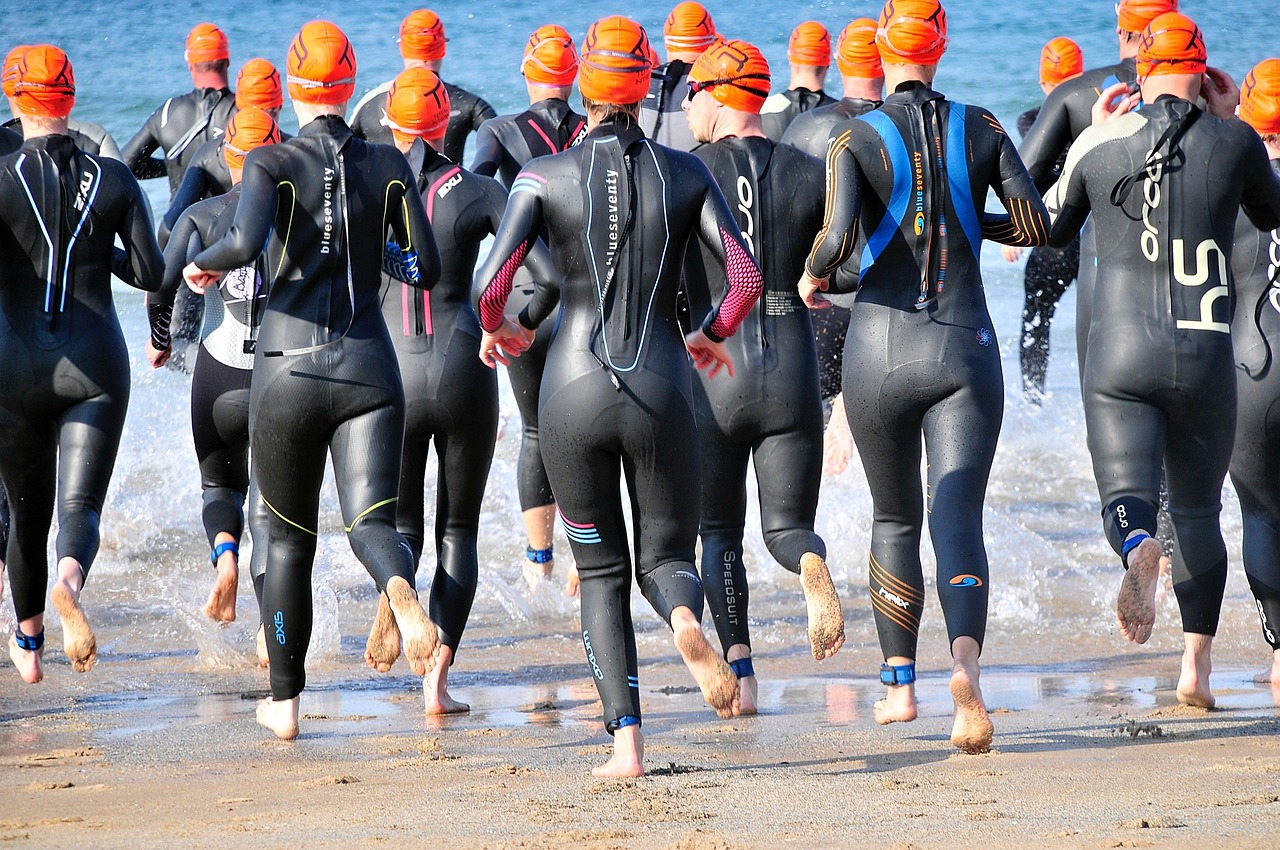
Triathlons come in various distances, each demanding unique race strategies. The most common formats are Sprint, Olympic, Half Ironman, and Ironman distances. A Sprint triathlon usually consists of a 750m swim, a 20km bike ride, and a 5km run, while the Olympic format doubles the swim and run distances, featuring a 1500m swim, a 40km bike ride, and a 10km run. A Half Ironman, also known as 70.3, includes a 1.9km swim, a 90km bike ride, and a 21.1km run. Finally, the Ironman format challenges athletes with a 3.8km swim, a 180km bike ride, and a 42.2km run. Understanding these differences helps create appropriate race strategies. Therefore, a personalized strategy can significantly improve overall performance and results. It’s crucial to tailor your preparation by focusing more on endurance for longer races and speed for shorter events. Thus, utilizing a structured training plan becomes essential in executing an effective race day strategy.
Fueling Strategies for Different Distances
Nutrition is a vital aspect of triathlon training and racing, especially as distances increase. For shorter races like Sprint and Olympic distances, athletes can manage with glycogen from stored food in the days leading up to the race. Consuming high-carb meals and avoiding overly heavy foods will serve as an excellent way to prepare. Race day nutrition should include quick, easily digestible snacks before starting, such as energy gels or bananas. In contrast, for Half Ironman and Ironman distances, strategic fueling becomes imperative to maintain energy levels. Athletes should plan their nutrition strategies, fueling every 30-45 minutes during the bike segment with solids or sports drinks, and ensure sufficient hydration. Additionally, one should practice these fueling strategies during training to understand personal tolerance and optimize performance. This planning prevents running out of energy, which can significantly impact overall results. Thus, recognizing the importance of nutrition and tailoring it to each distance is critical in executing a successful race.
Transition Strategies for Efficiency
Transitions can often determine your overall race performance and times, particularly in Sprint and Olympic distances, where every second counts. Efficiently navigating from swim to bike and bike to run is essential. Minimizing transition times can be achieved through careful planning, such as having gear organized and accessible. Practicing transitions during training can help athletes reduce their transition times significantly. In shorter races, the focus should be on quickness; however, for longer races like Half Ironman or Ironman, it’s essential to maintain composure during transitions. Athletes can benefit from briefly stretching or taking deep breaths to recover and refocus before hitting the next segment. Using a race belt to hold race numbers can save time, as there’s no need to pin it on before running. Organizing equipment in the transition area will also streamline the process. Practicing these aspects ensures that you can manage transitions efficiently on race day, ultimately enhancing performance regardless of the distance.
Warm-up routines are crucial before any triathlon, but their execution and length can vary significantly based on the race distance. For Sprint events, the focus should be on quick and effective warm-ups, engaging in light swimming or dynamic stretches shortly before the race. This warms up the muscles and primes the cardiovascular system, essential for quick bursts of speed. In longer races, such as Half Ironman or Ironman, the warm-up can be more extensive, incorporating mobility exercises and longer swimming segments to prepare the body for a prolonged effort. Incorporating a gradual increase in intensity during the warm-up sessions prepares muscles better for the demands ahead. Additionally, focusing on mental preparation during this period can enhance confidence and decrease anxiety. Each athlete should customize their warm-up routine according to their preference and previous experiences. Adequate warm-ups for all distances reduce injury risks and enhance overall performance, ensuring that athletes begin the race alert and ready to tackle the challenges ahead.
Endurance training is fundamental for triathlons. As race distance increases, the approach to endurance training must adapt accordingly. For shorter races, a focus on speed work supported by shorter intervals aids performance. Incorporating tempo runs can benefit athletes competing in Sprint and Olympic distances, while allowing for quick recoveries. For Half Ironman and Ironman distances, endurance training is essential. Athletes should include long-distance workouts, gradually building up mileage each week, focusing on pacing strategies, and managing energy levels during these longer workouts. These sessions mimic race conditions and build stamina over time, often requiring more extended time commitments. Implementing brick workouts, combining bike and run disciplines, helps athletes adapt to the transitions’ demands indirectly. Consistent endurance training not only improves race performance but contributes to the mental aspect, as athletes learn to push through fatigue. Individual adaptations can also be made depending on past race performances and injury histories to maximize endurance training’s effectiveness, ensuring they arrive on race day prepared to meet their performance goals.
Race pacing significantly varies between sprint and endurance triathlons. Determining the right pace is crucial for success. Athletes in short-distance races can push their limits, reflecting more speed than endurance. Intense efforts during the swim segment can leave athletes gasping if they don’t pace appropriately. In contrast, pacing is vital for longer distances, particularly in Half Ironman and Ironman races. Athletes should assess how to maintain an even effort over prolonged periods, often focusing on heart rate zones or perceived exertion levels. Incorporating technology, such as power meters or GPS watches, can assist in monitoring pace during each segment of the triathlon race. This attention helps maintain consistent speeds, preventing early burnout. Practicing these pacing strategies during training races is essential to ensure athletes can gauge their performance accurately on race day. Adapting pacing for terrain and environmental factors further fine-tunes race strategies. Crafting adaptive pacing strategies focuses on long-term endurance improvements, contributing to overall race efficiency.
Finally, recovery strategies post-race cannot be overlooked, adapting appropriately to the distances completed. In shorter races, recovery can be quicker, including hydration, light stretching, and possibly a very gentle cool-down jog. Nutrition should then be prioritized immediately after finishing to restore glycogen levels. For longer races like Half Ironman or Ironman, recovery becomes more complex, including physical recovery protocols that may last for weeks. Athletes must incorporate more rest, hydration, and nutrition focusing on protein and carbohydrates to repair muscles. Active recovery techniques, such as walking or yoga, can enhance recovery speed. Regular massages and physiotherapy sessions can benefit those participating in longer race events, managing potential injuries and soreness. Listening to one’s body during recovery periods is crucial. Placing equal importance on recovery alongside training ensures athletes balance their race strategies, ultimately improving performance. Understanding these distinctions between recovery processes aids athletes in developing proper routines essential for their fitness journey following race performances.