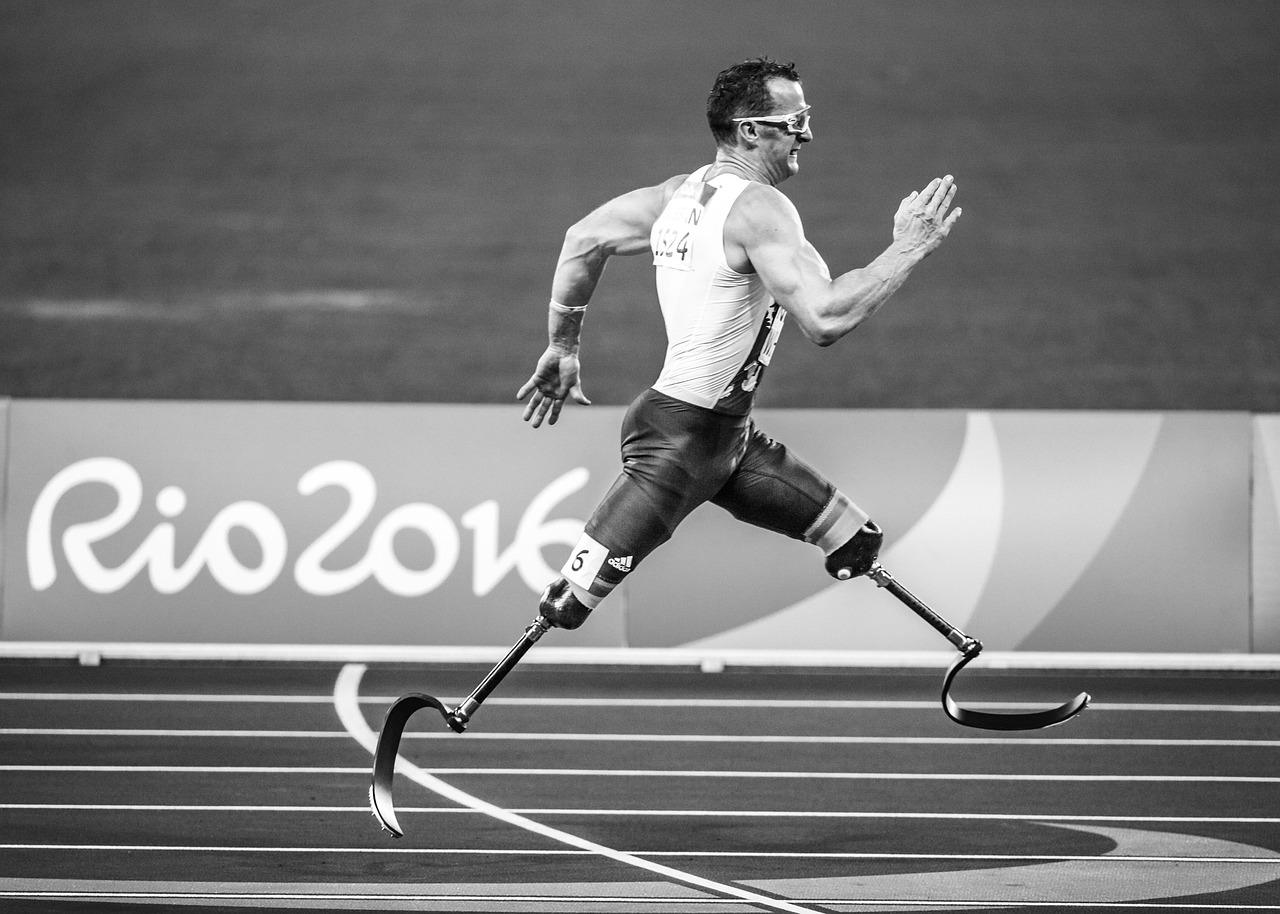

The Psychological Benefits of Adaptive Exercise for Disability Communities
Adaptive exercise serves as a powerful tool for individuals within disability communities, fostering improved mental health and well-being. Engaging in tailored fitness programs can boost self-esteem and confidence, reducing feelings of isolation. Participants often find a sense of identity and belonging in adaptive fitness groups, which equally helps combat social stigma. The feeling of accomplishment post-exercise, irrespective of physical ability, provides a significant psychological uplift. Moreover, adaptive fitness emphasizes enjoyment in movement regardless of performance. Such focus enhances motivation, inspiring individuals to participate regularly, which in turn aids mental resilience. Establishing a routine contributes to a well-structured lifestyle, framing the day positively. This aligns with overall mental health improvement by reducing anxiety levels and providing predictable outcomes within workouts. The social aspect present in group settings facilitates interpersonal connections, essential for psychological support. Building friendships among peers encourages open communication about challenges faced, creating a robust network of support. This framework not only fosters resilience but also nurtures personal growth, improving adaptability in various life aspects. Adaptive exercise truly cultivates a healthy mind, paving the way for holistic development among community members.
Brick by brick, adaptive fitness builds pathways toward personal empowerment for individuals with disabilities. The opportunities presented through adaptive programs allow participants to challenge their limits physically and mentally, leading to remarkable breakthroughs. Many may enter such programs unsure of their abilities, but through consistent participation, surprising growth can emerge, encouraging individuals to pursue further challenges. This aspect of empowerment is psychologically crucial, motivating individuals to set and achieve personal goals. Research indicates that engaging in adaptive fitness correlates with enhanced life satisfaction, which plays a pivotal role in mental well-being. Participants report increased life satisfaction due to newfound abilities and improvements in fitness levels, leading to more adventurous social engagements. Additionally, developing new skills can provide a holistic sense of achievement, implementing positive feedback loops in self-image. Each achievement tends to cement a sense of worth and capability, paving a smoother path through various social landscapes. For those who have faced discrimination or acceptance issues, adaptive fitness emerges as a transformative experience of inclusivity and empowerment. Such a supportive environment actively reshapes the narrative around abilities, emphasizing potential instead of limitations, ultimately advancing personal acceptance and confidence.
Mental Health and Adaptive Exercise
The relationship between mental health and adaptive exercise is profound, highlighting exercise’s impact on psychological well-being. Regularly participating in adaptive fitness has been associated with reduced rates of depression and anxiety among individuals with disabilities. The release of endorphins during physical activity promotes feelings of happiness, serving as a natural antidote to stress. In addition, adaptive fitness environments often provide the necessary support, fostering psychological safety crucial for emotional expression. Creating a setting where individuals feel comfortable allows for deeper connections fostered among participants. This emotional closeness often leads to increased resilience against challenges, further enhancing well-being. The shared experiences also facilitate discussions around emotional struggles, allowing for healing through community support. Engaging in adaptive fitness can shift one’s perspective on personal capabilities, yielding instances of triumph over adversity, thus positively affecting mental outlook. Furthermore, incorporating mindfulness elements into adaptive workouts imbues the experience with an essential balance of focus and relaxation, central to mental clarity. Ultimately, the intricate relationship between adaptive exercise and mental health establishes a foundation for healing, resilience, and profound personal transformation.
Adaptive fitness goes beyond mere physical exertion; it nurtures profound emotional connections among communities, a pivotal benefit for those with disabilities. These social bonds forged in supportive settings play a crucial role in combating the pervasive feeling of loneliness often associated with disabilities. Each individual’s experience creates a collective narrative, fostering empathy and understanding as participants share their journeys. Through adaptive fitness, members celebrate successes and navigate challenges, reinforcing a sense of community. The emotional boost from being part of such a group can uplift individuals, enhancing self-worth and reducing feelings of isolation. Furthermore, friendships cultivated in these environments serve as powerful support systems, essential for emotional well-being. Individuals feel more understood and accepted, which can catalyze a substantial improvement in their mental health. The laughter, encouragement, and camaraderie shared among peers contribute to uplifting moods, promoting a positive relational dynamic. Along the journey, the evolution of shared experiences leads to transformative personal narratives that span beyond exercise, embedding core values of acceptance and empowerment. Thus, adaptive fitness not only strengthens bodies but also fortifies the vital emotional fabric of its participants.
Empowerment Through Movement
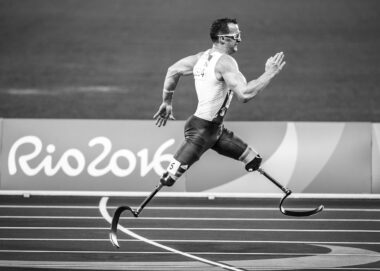
The act of movement within adaptive exercise epitomizes a powerful source of empowerment for individuals with disabilities. Each step taken, each lift performed, becomes a statement of self-determination, which contrasts the stereotypes typically faced. Engaging in physical activity opens pathways for personal expression, enabling individuals to explore their bodies differently. This exploration often reveals untapped potential, which psychologically reinforces the belief in personal capabilities. Beyond the physicality, empowerment emerges when one realizes that they can control aspects of their health and fitness journey. Participants not only benefit from improved strength and coordination but also gain a solidified sense of autonomy over their lives. The adaptability of exercises enables tailored goals that resonate personally, ensuring each participant feels valued and enabled. In this environment, every progress marker nurtures perseverance and fosters resilience, crucial for handling life’s adversities. Additionally, as individuals witness their physical improvements, those victories translate psychologically into greater self-assurance. Ultimately, adaptive movement instills a sense of freedom, prompting further engagement in diverse life activities, propelling individuals toward more fulfilling and empowered lives.
Emotional resilience is a cornerstone benefit of adaptive fitness, offering individuals robust coping mechanisms necessary for navigating life’s challenges. Physical activity channels stress and anxiety into constructive engagement, allowing for emotional release. As individuals break a sweat, they simultaneously alleviate emotional burdens, leading to enhanced mental clarity and focus. This process is further amplified within supportive adaptive fitness groups where shared experiences are acknowledged and validated. Building connections allows for collective resilience, which fortifies individuals during tough times. Emotional discussions that arise in these settings not only promote healing but also establish a psychological framework for individual growth. Individuals learn from one another’s resilience strategies, promoting a culture of learning and empathy. This environment transforms fitness into an avenue for emotional growth, consistently reaffirming that challenges can be transformed into opportunities. Furthermore, the diverse group dynamics present also allow for varied perspectives, enriching the learning experience. As emotional resilience enhances, participants find themselves better equipped to face daily realities, cultivating a proactive mindset. In essence, adaptive fitness cultivates comprehensive emotional strength, crucial for holistic development and enriched life experiences in the long run.
Conclusion
In conclusion, adaptive fitness holds a myriad of psychological benefits that significantly enrich the lives of individuals within disability communities. The journey through adaptive exercise enhances self-esteem, fosters connections, and builds emotional resilience. This transformative process empowers individuals to transcend societal limitations, establishing a positive self-image rooted in capabilities. The supportive environments created within adaptive programs play a crucial role in facilitating mental well-being. Participants not only gain from physical improvements but also nurture their mental health through shared experiences and collective support. Through movement, individuals discover their potential, fostering an enduring sense of autonomy and empowerment. Furthermore, the friendships and emotional bonds developed within these groups create invaluable networks that nurture ongoing resilience. The interplay of physical activity and psychological growth emphasizes the profound connection between body and mind. As adaptive fitness continues to gain recognition within broader society, the need for inclusive fitness programs is paramount, ensuring everyone has the opportunity to thrive. Ultimately, championing adaptive fitness contributes not only to improved individual outcomes but also to the overarching goal of a more inclusive world for all.
Overall, promoting adaptive fitness can significantly alter perceptions of disability, showcasing the strength and capabilities of individuals within these communities. Emphasizing psychological advantages will increase awareness and appreciation for the varied experiences of those engaged in adaptive exercises. The societal shift towards inclusivity necessitates a recalibration of how we view health and wellness among all individuals. As adaptive fitness programs continue to flourish, they promise a brighter future where each individual’s journey is celebrated. This upcoming landscape not only values diversity in movement but also champions the courage and determination inherent in every participant. By creating spaces where everyone thrives, we pave the way for harmonious integration, inspiring future generations to redefine norms. In essence, the benefits of adaptive exercise not only transform lives but also enrich communities at large. Through collective efforts towards inclusivity, we build stronger societal foundations rooted in understanding and empathy. The ripple effects of adaptive fitness extend beyond individual gains, inspiring broader changes in how society perceives and supports disabilities. Encouraging everyone to embrace adaptive fitness opens doors to a more inclusive future, emphasizing growth and shared experiences that unite us all.