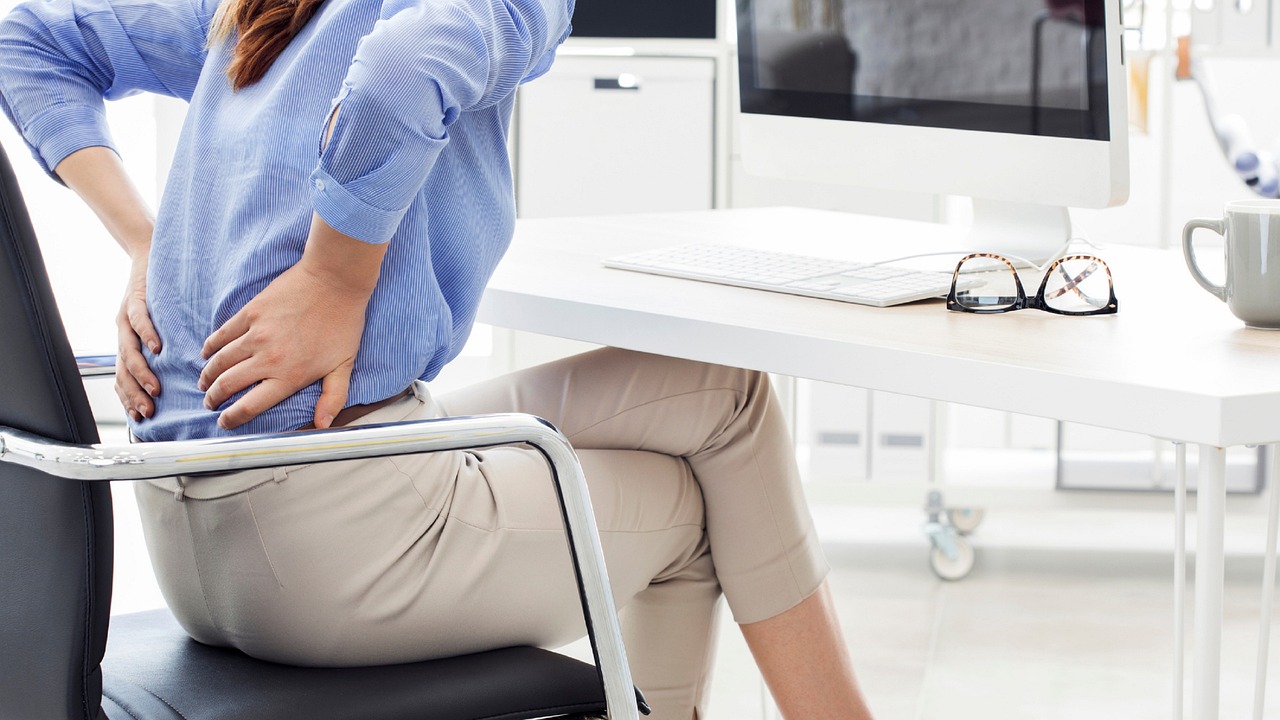

How Regular Breaks Can Help Improve Your Posture
In today’s fast-paced work environment, many individuals find themselves confined to their desks for extensive periods. This sedentary lifestyle contributes significantly to poor posture, leading to various health issues. It is essential to recognize the importance of regular breaks as a remedy for this common problem. Taking short breaks can effectively alleviate tension in the back, neck, and shoulders. Stretching and walking around during these breaks promotes blood circulation, which directly benefits overall muscle function. Moreover, these intervals help reset your focus, leading to increased productivity. By prioritizing break times, you invest in your long-term health and comfort. Incorporating micro-breaks, lasting just a minute or so, can make a significant difference. Such practices encourage movement that counteracts sitting still for prolonged periods. Employers can promote a healthier workplace by advocating for these short but frequent pauses. Consider setting a timer to remind yourself to stand up and move. The investment in these brief breaks not only improves your posture but fosters a healthier work culture overall. This initiative can ultimately lead to increased employee satisfaction and retention.
To effectively combat the adverse effects of prolonged sitting, integrating specific exercises into your break routine is crucial. These exercises can target areas that commonly suffer from tension and rigidity, such as the neck and shoulders. For instance, neck stretches can relieve tightness and improve flexibility. Simply tilting your head from side to side can alleviate pressure and discomfort. Additionally, shoulder rolls help loosen tight muscles and enhance mobility. Taking a moment to perform wrist stretches can also counteract the strain associated with typing. Furthermore, incorporating standing or walking meetings can promote movement throughout your workday. Such changes encourage a shift in routine, making it easier to maintain good posture. You can also utilize office furniture designed to support healthy positioning. Standing desks or ergonomic chairs promote a better alignment of the spine. Regularly adjusting your workstation will further encourage proper posture throughout the day. Along with physical integration, an awareness of posture is essential. Remind yourself to engage core muscles while sitting, which helps maintain an upright position. By consciously combining these exercises into your breaks, you empower yourself to take proactive steps toward better back health.
Understanding the Importance of Posture
Good posture is essential for numerous reasons. Not only does it enhance physical well-being, but it also significantly impacts mental health. Proper alignment minimizes the risk of developing musculoskeletal disorders. Moreover, it plays a role in maintaining optimal energy levels throughout the workday. When your body is aligned correctly, energy is efficiently distributed, improving concentration. This mental clarity leads to better decision-making and productivity. Furthermore, good posture can boost your confidence levels. Standing tall with alignment enhances your perceptions in the workplace, leading to a positive self-image. When people exude confidence, they are more likely to engage with others effectively. Implementing regular breaks and exercises helps reinforce the neural pathways involved in maintaining good posture. As these pathways develop, your body learns to recognize and adopt proper alignment consistently. Also, a poorly positioned body increases fatigue levels, making it challenging to stay focused. By addressing posture through frequent breaks and exercises, you can prevent fatigue and sustain your energy levels. Ultimately, embracing good posture offers remarkable benefits that extend beyond mere physical appearance. It nurtures overall health and performance in various aspects of life.
When it comes to incorporating breaks into your work routine, the Pomodoro Technique presents a formidable option. This time management method encourages work in intervals, typically lasting about 25 minutes, followed by a 5-minute break. Adopting this robust technique can enhance both productivity and posture. Firstly, the intervals allow you to concentrate deeply on your task without distractions. Secondly, those brief breaks serve as reminders to stretch and move your body. During these 5-minute interludes, take a moment to engage in some gentle stretches or simple exercises. You can stand, walk around, or perform a series of desk-friendly movements to mobilize your muscles. Additionally, make use of tools like timers or apps to facilitate implementation. Modern technology can keep you on track, ensuring that breaks are not skipped. Consistency with this approach reinforces better habits, turning short breaks into an integral part of your workday. Over time, you will notice improvements in posture and reductions in discomfort. If you commit to this routine and make it a priority, you will benefit immensely in the long run.
Tailoring Breaks to Your Needs
Everyone’s body is different, which means that break routines should be customized to meet individual needs effectively. Analyzing how your body feels after prolonged desk time enables you to adjust breaks accordingly. Recognizing areas of stiffness or discomfort can help identify the most suitable exercises. For example, if neck strain is apparent, prioritize stretches that focus on releasing tension in that area. You may find value in writing reminders to encourage movement or create innovative break schedules. Ensuring variety in your breaks keeps you motivated and engaged. Explore different activities, including going for a walk outside, practicing yoga, or doing breathing exercises. Each brief intermission can provide a unique renewal to combat fatigue. Since workdays can be unpredictable, flexibility must be a part of your break strategies. Allow for spontaneity based on your workload and energy levels. This approach fosters a habitual practice that encourages movement while adapting to your needs. Keeping it enjoyable and relatable is vital to establishing consistency. Tailoring this aspect of your routine can transform your posture and overall wellness.
While breaks are essential for posture correction, fostering a culture of support in the workplace yields significant benefits. Communication with management and colleagues about the importance of breaks can create a collaborative environment. When employers encourage healthy habits, employees feel valued and appreciated. For instance, promoting announcements about the significance of movement can motivate participation. Establishing group activities, such as team walks or coordinated stretch sessions, turns movement into a social experience. By creating these initiatives, businesses contribute to improved morale and productivity. Additionally, offering resources or workshops around posture and exercise solidifies the commitment to well-being. Education in ergonomic best practices provides teams with the knowledge to adjust their positions effectively. Furthermore, creating a physical workspace that facilitates posture enhancement can help. Providing standing desks and comfortable chairs can support employees in maintaining correct posture. Practical changes made by employers can foster enthusiasm for breaks. This ultimately leads to higher retention rates and happier employees. Investing in a culture of health and well-being pays off significantly for all parties involved in a professional environment.
Conclusion: Making Breaks a Priority
In conclusion, the importance of regular breaks cannot be overstated, especially for individuals in sedentary jobs. The practice of taking breaks provides numerous health benefits, particularly in improving posture. By incorporating structured and tailored break routines into your work schedule, you can effectively combat the adverse effects of prolonged sitting. Focus on exercises that engage various muscle groups and relieve tension throughout your body. Additionally, promoting a supportive workplace culture encourages everyone to prioritize breaks, leading to a healthier work environment. Remember that even small, frequent movements have a lasting impact on your overall health. Cultivating awareness around the significance of posture and incorporating strategies into your routine can enhance your well-being. If you commit to taking these breaks regularly, the long-term advantages include reduced discomfort, increased productivity, and an overall better work experience. Start making these changes today, and witness the positive effects in no time. Encouraging others to join you in this journey will foster collective growth and improvement. Ultimately, adopting a proactive approach to breaks and posture will benefit everyone in your workplace.