
Innovations in Pilates for Spine Health and Rehabilitation
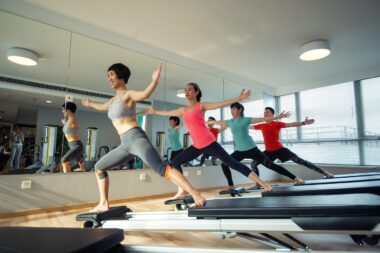
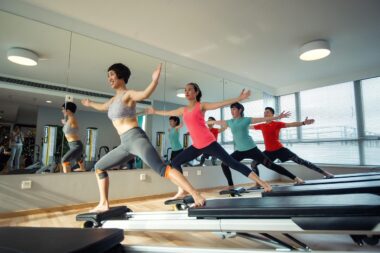
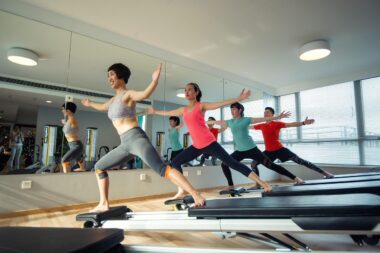
Pilates has gained reputation for its transformative powers regarding spine health, providing significant benefits for people suffering from back pain and other spinal disorders. By using specific mat exercises and reformers, Pilates strengthens core muscles, improving posture. Enhanced posture directly affects spinal alignment, reducing stress on vertebrae and surrounding muscle structures. Therapists often recommend structured Pilates routines for individuals recovering from injury, encouraging a gentle return to movement and activity. Innovations in Pilates focus on personalized techniques tailored to individual needs, creating a holistic approach to spine rehabilitation. Incorporating special equipment such as the reformer provides adjustable resistance, allowing gradual strength building. Moreover, utilizing props like balls and bands accommodates various levels of fitness and mobility. Classes are increasingly incorporating technology, enabling enhanced tracking of progress. Virtual Pilates routines have become popular, providing accessibility for those with mobility restrictions. This method ensures that individuals can practice at home while still receiving guidance from experienced instructors. The focus on breath control further optimizes spine health through effective muscle engagement. By understanding the intrinsic mind-body connection cultivated through Pilates, individuals experience improvements in not just spinal health but overall quality of life.
Key Principles Underlying Pilates for Spine Stability
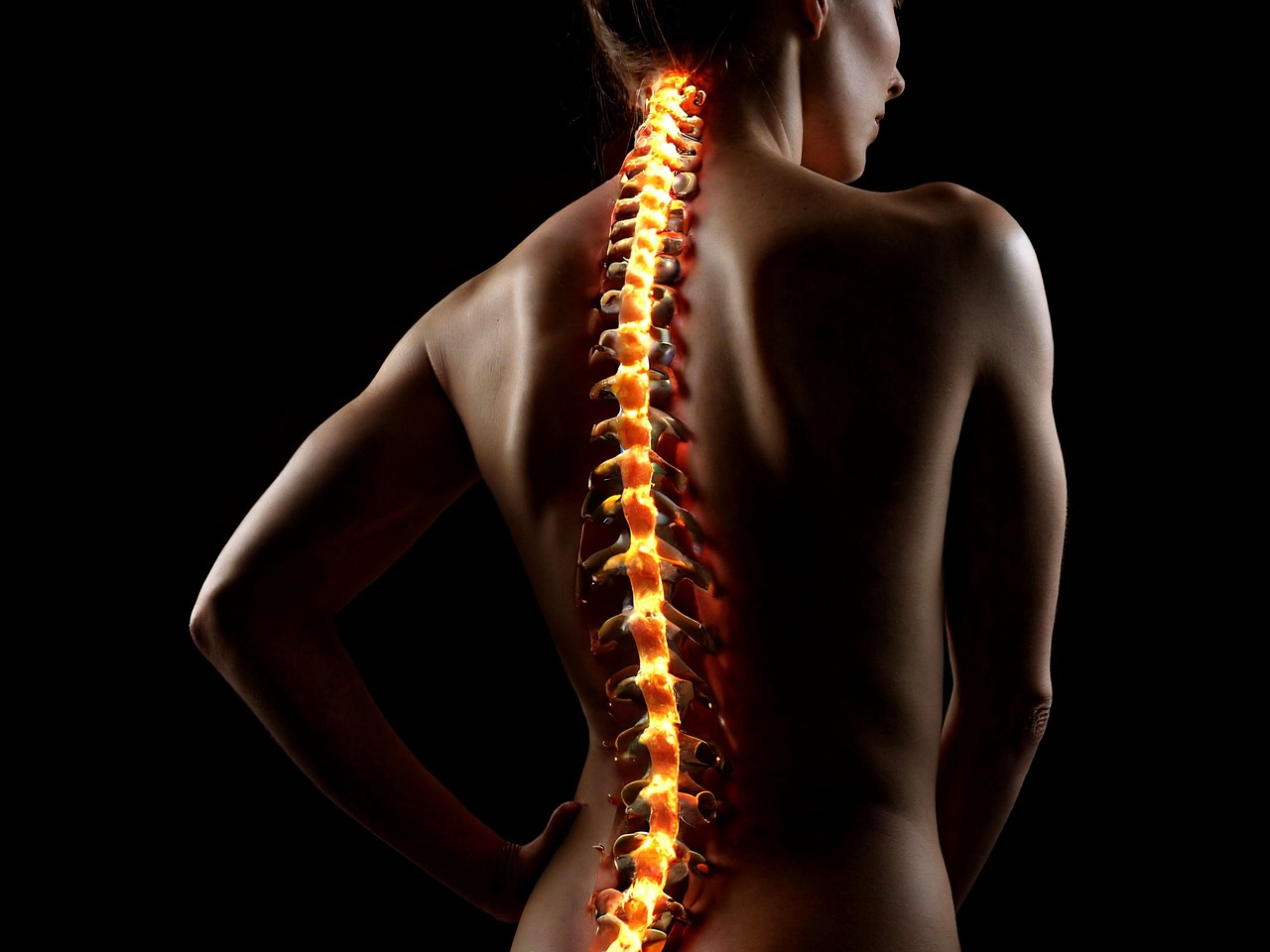
Key principles underlying Pilates include concentration, control, center, flow, precision, and breath, establishing a foundation for spine stability. Concentration encourages individuals to focus on their bodies during practice, leading to controlled movements that optimize spinal alignment. Control ensures exercises are performed with precision, reducing the risk of injury during rehabilitation sessions. The concept of a center relates to the core, which is essential for stabilizing the spine. The core consists of muscles surrounding the spine, including the abdominals, back, and pelvic floor. Flow emphasizes smooth transitions between exercises, maintaining a continuous movement while engaging core muscles throughout. Precision encourages attention to detail, allowing practitioners to execute movements effectively, essential for spinal rehabilitation. Engaging in breath control during exercises helps individuals maintain focus and promotes the relaxation of tensions around the spine. Instructors often emphasize the importance of inhaling and exhaling purposefully, facilitating effective muscle engagement. Each session strives for a balance between strength and flexibility through intentional movement sequences. These principles are applicable to tailoring Pilates routines to adapt to individual recovery stages, aligning with personal rehabilitation goals.
Innovations in instructional techniques are essential for enhancing the effectiveness of Pilates in spinal health. Adaptations may include modifications designed for individuals with specific spinal conditions. For instance, clients recovering from herniated disks may require more focus on gentle stretching and strengthening exercises that prioritize pain reduction. Developing personalized exercise plans involves understanding an individual’s history, background, and specific needs. Instructors now frequently engage in continuous education to stay informed about best practices. They utilize feedback mechanisms to monitor progress, making necessary adjustments to individualized programs. This ensures a comprehensive approach to spine health and fosters a supportive environment for clients. Embracing a collaborative approach between therapists, instructors, and clients is to ensure rehabilitation goals align with effective exercise practices. Furthermore, innovations may involve integrating mind-body techniques, like mindfulness and meditation, into Pilates sessions, promoting relaxation and reducing anxiety. Offering hybrid class formats, including both online and in-person instruction, significantly enhances accessibility in broader communities. Creating an engaging environment helps foster motivation and empowers clients on their rehabilitation journey. Ultimately, these innovations in teaching and practice contribute to substantial advancements in spinal health through Pilates.
Combining Pilates with Other Therapeutic Approaches
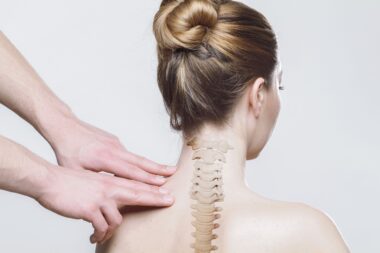
Combining Pilates with other therapeutic approaches has shown remarkable improvements in spine health recovery. Techniques such as manual therapy or chiropractic adjustments often complement Pilates exercises, providing an integrated approach to address spine-related issues. Manual therapists can offer targeted relief, while Pilates strengthens the surrounding musculature, supporting the overall spinal structure. This multidisciplinary approach enhances recovery efforts by providing a more comprehensive treatment plan that covers various aspects of rehabilitation. Many practitioners recognize the value of collaboration across disciplines, facilitating improved outcomes for clients. For example, physical therapists can incorporate Pilates principles into their rehabilitation strategies. By integrating movement patterns familiar to Pilates, they can enhance core stability and flexibility, leading to quicker recovery times. Group classes focusing on specific therapeutic applications also encourage social interaction and support during recovery processes. It is essential to educate clients about how multidisciplinary therapies can work synergistically. This avoids confusion surrounding treatment plans. Moreover, clients feel empowered through this comprehensive care approach, leading to greater adherence to prescribed exercise protocols. The combination of therapies unlocks potential for improving overall patient experiences and outcomes surrounding spine health.
Advancements in technology play a significant role in Pilates training for spine health, offering exciting possibilities for education and practice. Virtual platforms enable instructors to create tailored programs for clients unable to attend physical classes due to various reasons, including location or mobility. These developments foster flexibility while ensuring consistent learning and feedback loops occur. Utilizing apps for tracking progress can help practitioners and clients visualize improvements over time, reinforcing motivation during recovery. Moreover, incorporating wearable technology can monitor clients’ movements in real-time, enhancing the instructor’s understanding of individual needs. This information allows for timely adaptations to clients’ routines according to their physical capabilities or limitations. Enhanced feedback can prevent potential injuries, resulting in a safer Pilates experience overall. Additionally, online resources provide instructors with access to a vast amount of knowledge, from research articles to instructional videos and networking opportunities with other professionals in the field. Further, innovative training programs focusing on online certifications are becoming widely available, highlighting the importance of well-trained instructors in delivering high-quality Pilates instruction tailored to spine health. Thus, technology significantly impacts enhancing the effectiveness and accessibility of Pilates.
Community-Based Pilates Programs for Improved Outcomes
Community-based Pilates programs have emerged as a valuable resource for enhancing spine health in broader populations. Group sessions not only provide a support network but also create an environment where participants gain motivation and encouragement. These programs can cater to individuals with diverse backgrounds and skill levels, fostering a sense of inclusion. Additionally, instructors can adapt exercises based on the unique needs of participants, ensuring a safe space for all. Such initiatives emphasize the importance of building stronger community ties while promoting health awareness regarding spinal well-being. Community programs often collaborate with local health organizations, creating outreach opportunities for education and resources surrounding spine health. By organizing workshops and demonstrations, these initiatives enhance public understanding regarding the benefits of Pilates for spinal health. Furthermore, the social aspects of participating in group classes can alleviate feelings of isolation that many individuals experience during their rehabilitation. Establishing connections with others who share similar challenges fosters camaraderie and motivation throughout the recovery process. Ultimately, community-based Pilates initiatives serve as essential pillars for promoting holistic approaches to supporting spine health among diverse populations.
In conclusion, the innovations in Pilates for spine health and rehabilitation indicate a significant shift towards more personalized, accessible approaches that consider individual needs. The integration of technology, collaboration across multiple therapeutic disciplines, and community-focused initiatives collectively advance the understanding of spine rehabilitation. Acknowledging the importance of mind-body connection in Pilates allows individuals to foster a deeper engagement in their practice. As instructors and practitioners evolve, they contribute to enriching the overall Pilates experience, empowering individuals on their health journeys. Emphasizing principles like concentration and control leads to effective spinal stabilization. Additionally, embracing adjustability in Pilates routines promotes inclusivity for varying fitness levels and conditions. Individuals with chronic back pain and spinal disorders can now benefit from tailored approaches that consider their unique challenges. As more people recognize the significance of these innovative practices, the future of Pilates continues to shine as a pivotal aspect of preventative health care and rehabilitation. By prioritizing spinal health through Pilates, individuals can enhance not only their physical strength but their overall quality of life, establishing lifelong practices for continual health and well-being.