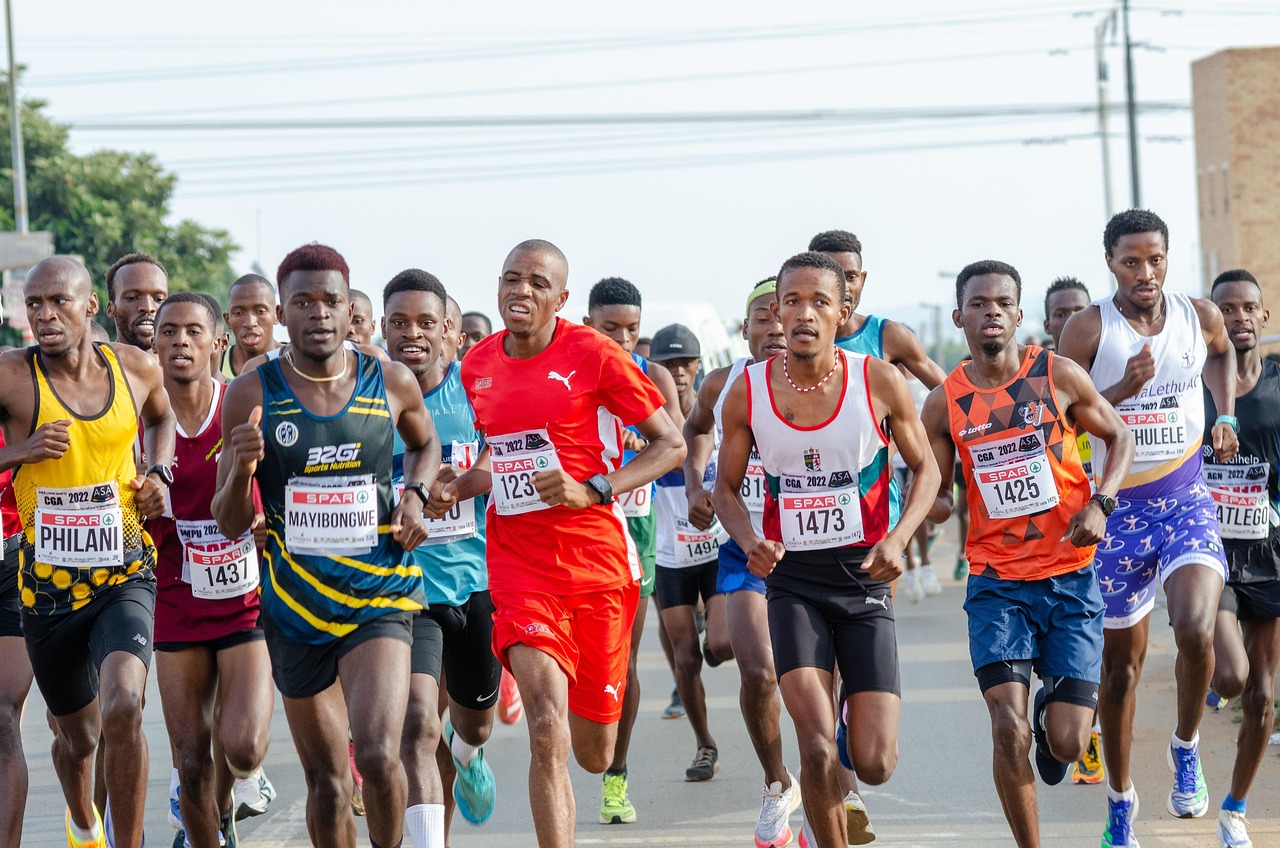

How to Dress for Varying Weather on Marathon Day
Choosing the right clothing for marathon day can significantly enhance your performance. Weather conditions can fluctuate, and being prepared is crucial. For starters, you should monitor the forecast leading up to race day. If rain is predicted, consider wearing a waterproof layer to keep dry. Choosing fabrics that wick away sweat is essential; avoid cotton as it can hold moisture. Instead, opt for materials like polyester or nylon. Additionally, layering is key. Start with a moisture-wicking base layer, followed by an insulating mid-layer. Top it off with a lightweight, breathable outer layer. Emphasis on quick-drying materials is crucial for comfort. For extra protection, you may want to bring a cap or visor to shield your face from sun or rain. Do remember to pack an extra set of clothes, as you might want to change post-race or if conditions worsen. Don’t forget about your feet; invest in good-quality, moisture-wicking socks and shoes that provide adequate support. Proper footwear can prevent blisters and enhance your experience. Aim for comfort and functionality throughout your preparation for race day.
Investigating Temperature and Wind Conditions
Temperature and wind play crucial roles in race day preparation. Ideally, aim to dress according to the forecasted temperature you expect at race time. For instance, if it’s forecasted to be cool, wear long sleeves and tights, but if warmth is expected, short sleeves and shorts are more suitable. Be mindful of wind chill; if it is windy, wearing a windbreaker may help. Wind can make temperatures feel significantly colder than they are, so layering up provides that extra buffer. Lightweight and packable jackets can be a perfect option. Understand the importance of managing sweat; you should not overdress, as this could lead to overheating. Conversely, underdressing could make you prone to hypothermia in cooler conditions. Consulting local racers or running clubs for advice on dressing for local weather variability can also provide helpful insights. The key is finding a balance whereby you feel comfortable throughout the race. Don’t underestimate the impact of changing conditions that may arise during the race, so dress smartly while preparing for marathon success.
On race day, don’t forget to test your outfit in advance! Prior to the marathon, you should participate in training sessions wearing the gear you planned to use. This helps get accustomed to different combinations of clothing and identifies any issues, like chafing or discomfort. During training runs, experiment with different layers and accessories until you find what works best for you. Subsequently, make sure you’re also ready for the aftermath of the marathon. Post-race, your clothing also matters; wearing dry clothing helps regulate body temperature as you wind down from the effort. As marathon day approaches, finalize your outfit selection based on accumulated experiences and local weather patterns. Based on the training run feedback, you will have a clearer perspective on your outfit’s efficacy. You should also consider how you want to mix aesthetics with performance while focusing on comfort. Consequently, you will perform better if you regard your attire as another important preparation pillar. Do remember that everyone reacts differently to weather; trust your instincts while trusting your training for the best outcome.
Understanding Layering Benefits
Layering is a strategy runners often embrace on race day. The primary advantage of layering is that it allows you to adapt as conditions change throughout the race. Start with a moisture-wicking base layer that moves sweat away from your skin into retention, keeping you dry and warm. On top, you can incorporate an insulating layer for warmth, protecting you against wind or drizzle. Finally, a lightweight, waterproof outer layer adds another protection level against rain or unexpected weather changes. This way, as you warm up during the race, you can easily shed layers to maintain comfort. A well-thought-out outfit with detachable layers ensures you won’t facing overheating issues armed with immediate solutions. The idea is to have layers that you can either add or remove without hindrance. Mindfulness of your kit’s versatility makes your race-day experience more enjoyable. Always test your layering approach in lesser training runs before the final day to ensure effectiveness. Additionally, ensure your inner layers are snug but not too tight for free movement. Being comfortably layered can improve your performance across varying weather patterns.
Don’t overlook the accessory elements of your race day outfit. Accessories like gloves, hats, and long socks can make a real difference in your comfort level during the race. If you experience cold temperatures, thermal gloves will help maintain your dexterity and warmth. A running hat can shield your face from the sun or rain, while sunglasses protect your eyes. Choosing the right headgear is vital; moisture-wicking materials keep sweat at bay, while also preventing overheating. Furthermore, compression sleeves may offer slight muscles support. If its warmer weather, go for breathable socks that reduce blisters while also ensuring good ventilation. You should also consider anti-chafe products if you plan on running a long distance under various weather conditions. Runners can sometimes experience skin irritations in several areas from the friction between clothing and skin. Products like petroleum jelly or specialized chafe balm can greatly minimize discomfort. Always prioritize your comfort and focus on enjoying the feel of your run. Don’t underestimate how smaller items can significantly influence your overall race performance.
Post-Race Attire
Post-race attire is just as important as your race day outfit. After exerting yourself during a marathon, your body temperature will drop, and wearing dry clothing is crucial. Be sure to bring a change of clothes that feel comfortable once the race is over. Consider packing lightweight and warm options, such as a pullover, lightweight jacket, and breathable pants, all of which contribute to maintaining your body warmth. Having a pair of flip-flops or crocs can also provide relief after running long distances. In addition, including an extra pair of socks ensures your feet stay cozy and dry. As you cross the finish line, it’s a good idea to slip into dry clothes to avoid prolonged exposure to the cool air. Your post-race comfort significantly contributes to your overall satisfaction with the experience. Since recovery is an essential component of marathon training, what you wear afterward should not be taken lightly. Use this time to reflect on your performance, celebrate with fellow runners, or simply relax. The choice of post-race clothing affects how you feel during this well-deserved recovery phase.
Ultimately, being well-prepared for race day outfit choices can enhance your marathon experience in numerous ways. Take the time to consider your clothing options, factoring in personal comfort, forecasted conditions, and layering strategies. Also, ensure your gear is weather-appropriate by adjusting as conditions change on race day. Every layer counting from the base to the outside can impact your comfort level during the race; they should work harmoniously to keep you secure and optimize your performance. Don’t forget the necessity of testing your outfit choices during training runs before race day to confirm everything feels right. Moreover, be proactive in considering your post-race outfit for recovery. Thinking ahead will not only prepare you to tackle the marathon itself but ensure you maximize enjoyment for the entire experience. Feel empowered in your clothing choices! Equipped with this knowledge, you can navigate the inevitable uncertainties of race day with confidence. Ultimately, how you dress can substantially affect your performance and enjoyment. Think through every detail wisely, enabling a successful race day journey to reach your fitness goals.