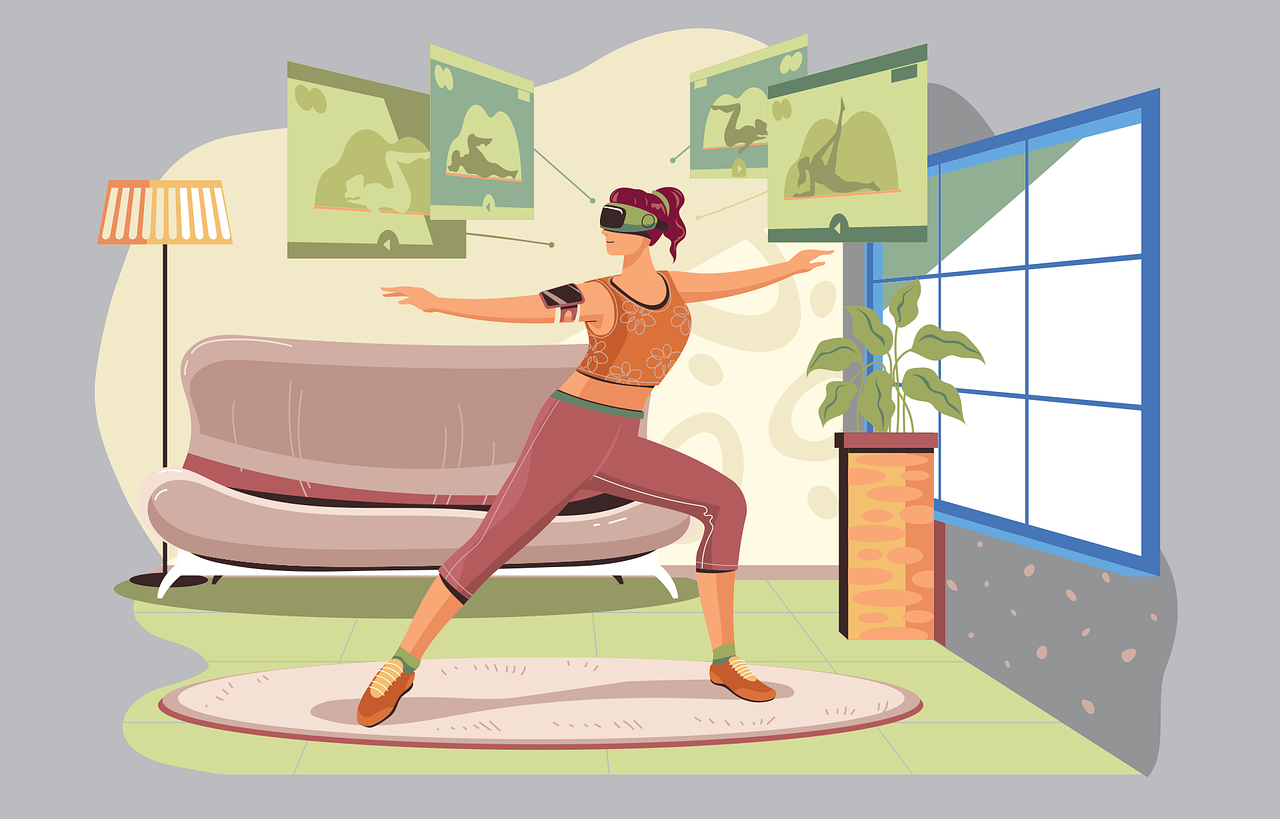

The Potential of Virtual Reality Exercise Programs to Enhance Neuroplasticity
In recent years, the intersection of virtual reality (VR) and exercise science has generated tremendous interest. Researchers are exploring how VR-based exercise programs can influence neuroplasticity, the brain’s ability to reorganize itself by forming new neural connections. This potential is particularly vital for rehabilitation after injuries or managing conditions such as stroke or Parkinson’s disease. VR environments offer immersive experiences, motivating individuals to participate in physical activities. The engaging nature of these virtual settings can lead to greater adherence to exercise prescriptions, thus maximizing physical and cognitive benefits. Additionally, by manipulating various stimuli within virtual environments, one can challenge and enhance different aspects of brain function. This unique approach is proving to be beneficial not only to enhance physical health but also to stimulate cognitive functions, aiding in recovery processes. The learning principles embedded within VR exercises could also unlock ways to address age-related cognitive decline. Overall, the synergy between exercise, neuroplasticity, and VR presents an exciting frontier in therapeutic and preventive health practices.
One area of research focuses on how VR-based exercise regimes can be tailored to individual needs. By offering customizable programs that adapt to varying levels of ability, VR can provide a unique avenue for personalized training. This adaptability is crucial in neuroplasticity as it ensures that individuals engage in activities that are appropriately challenging, sparking new brain activities that lead to growth and recovery. In essence, VR can mirror real-world scenarios, presenting actors with engaging tasks that promote adaptive responses from the brain. Studies have indicated that when users are immersed in a virtual world, they tend to exhibit higher motivation levels and can push through mental barriers that typically hinder them. Every time the brain is challenged or engaged in new tasks, there is a potential for enhancing neural connections. This individualized approach combined with VR’s immersive components stands to revolutionize how therapeutic interventions are designed and delivered. By gaining an understanding of how these virtual experiences can be maximized, we can leverage this technology for diverse patient populations.
Incorporating Cognitive Tasks into Exercise
Moreover, integrating cognitive challenges during physical activities within virtual reality programs might further enhance neuroplasticity. By engaging both the body and mind simultaneously, individuals not only improve their physical fitness but also stimulate cognitive processes. For instance, VR can implement tasks that require users to think critically while performing a physical challenge, whether it’s navigating obstacles or solving puzzles mid-workout. This combination fosters a conducive environment for the development of new neural pathways, particularly in older adults or rehabilitation populations. Studies suggest that brain benefits are amplifiable when dual-tasking in VR, as participants have been shown to retain and recall information better when engaged in both cognitive and physical activities. Such findings align with principles in exercise science advocating for complexity in training when aiming for neuroplastic benefits. Excitingly, VR programs that embody multifaceted challenges might assist in crafting more robust medical and therapeutic intervention strategies. As research continues, the paradigm of treating cognitive and physical impairments could shift towards more holistic approaches.
Behavioral and Motivational Factors
Behavioral and motivational factors also play a pivotal role in the effectiveness of VR exercise programs. Virtual reality has the potential to significantly alter user experiences by providing immediate feedback and gamifying exercise routines. The immersive aspect of VR encourages dynamic participation, driving higher retention rates of exercise habits. Consequently, when users remain engaged and motivated, they experience considerable improvements in both physical performance and cognitive function. Studies indicate that users find VR to be more enjoyable than traditional exercise, leading to increased willingness to engage in regular physical activity, essential for enhancing neuroplastic connections. Furthermore, VR settings can create a social experience, allowing users to interact and compete in virtual environments with others, potentially enhancing motivation further. Such interactions can foster a sense of community and accountability, which is crucial for sustained exercise participation. This aspect of communal engagement could hold particular importance for those who may struggle with motivation in traditional exercise regimes, thereby promoting overall health and neurological development.
The evidence supporting VR’s effectiveness in exercise programs is continuously growing. Research indicates that these programs can lead to improved balance, coordination, and mental agility, offering promising outcomes particularly for populations with neurodegenerative diseases. Practical applications have emerged, with early adopters employing VR in physical therapy and rehabilitation sessions, yielding successful outcomes in patient recovery processes. Patients have reported lower levels of perceived exertion while still benefiting from high-intensity programs, made possible by the engaging and adaptive nature of VR environments. As therapists and trainers craft more sophisticated VR-based exercises, they may realize substantial neuroplasticity benefits, stimulating brain areas associated with motor function, memory, and cognitive abilities. Importantly, for programs to be truly effective, they need to be based on solid scientific principles and individually tailored to cater to specific patient needs. Moreover, assessment tools to measure effectiveness and engagement levels in these programs will be crucial, ensuring that advancements continue, and that both cognitive and physical enhancements are prioritized within therapeutic regimes.
Future Research Directions
Looking toward the future, there are many exciting research directions worth exploring with regard to VR and neuroplasticity. Future studies may investigate the long-term effects of immersive VR exercises on brain health, examining retention of cognitive improvements years after training. Moreover, exploring which demographic variables—such as age, gender, and fitness level—affect the outcomes could provide insight into optimizing user experience. There is also the question of how to integrate VR seamlessly into existing healthcare frameworks for maximum accessibility and effectiveness. Collaboration between technologists, clinicians, and researchers will be essential to create standardized measures and protocols. Furthermore, investigating the effects of various VR experiences—such as varying levels of immersion and interaction—could yield essential data. The potential for personalization remains vast; incorporating user feedback into program design may lead to more tailored exercises, catering specifically to patient goals and preferences. All these developments could expand our understanding of neuroplasticity while enhancing health outcomes in diverse populations. Ultimately, this research holds the promise of transforming rehabilitation and wellness landscapes.
In conclusion, the potential of virtual reality exercise programs to enhance neuroplasticity is vast and multifaceted. Combining immersive environments with tailored physical activity may revolutionize how we approach rehabilitation and cognitive training. The innovative use of VR holds the capacity to facilitate not just physical but cognitive gains, opening pathways to healing and growth in patient populations facing neurological challenges. The advantages of personalized programs specifically designed to engage both body and mind could lead to long-term improvements in neuroplastic capabilities. By continuously emphasizing the importance of evidence-based practices, researchers, clinicians, and fitness professionals can work together to explore the depths of this technology. The synergy between exercise, neuroplasticity, and virtual reality is an exciting frontier that promises to push the boundaries of traditional therapeutic approaches. Adopting such innovative practices may encourage adherence to exercise regimens essential for life enhancement following injury or trauma. As we embrace these advancements, we take significant steps toward more effective, engaging, and ultimately transformative health interventions.