
Cycle Breathing Practices for Improved Sleep and Recovery
Cycle breathing methods are techniques that can significantly enhance sleep quality and aid in recovery processes. These methods involve a series of controlled, rhythmic breaths that can calm the mind and reduce anxiety levels. Breathing deeply activates the parasympathetic nervous system, promoting relaxation and better sleep. This article explores various cycle breathing exercises and their benefits. The techniques help support overall well-being, particularly for individuals dealing with stress or sleep-related issues. Practicing cycle breathing can lead to numerous health advantages, including improved focus and reduced fatigue. Implementing such practices into your daily routine not only enhances your sleep but also provides a restorative experience for body and mind. Learning different patterns of inhalation and exhalation enables one to customize the approach according to personal preferences and needs. Particularly, engaging in these methods before bedtime can signal to your body that it is time to wind down. Overall, adopting cycle breathing practices can provide a holistic approach to enhancing sleep quality and promoting recovery between physical activities.
The Principles of Cycle Breathing
Understanding cycle breathing techniques is essential for implementing them effectively. These methods encompass various inhalation and exhalation patterns that can be tailored for individual needs. Cycle breathing generally consists of a series of deep breaths followed by a controlled exhale. This practice encourages fuller oxygen exchange in the lungs, thereby improving overall respiratory efficiency. Additionally, the rhythmic nature of cycle breathing can help in regulating heart rate and promoting a sense of calm. Individuals engaging in this practice often find themselves more relaxed and alert, edging toward a more restorative sleep. Importantly, setting a conducive environment is crucial; dim lighting and comfortable seating can foster a better experience. Many practitioners incorporate visualization or affirmation techniques during their cycle breathing sessions, enhancing mental engagement and effectiveness. Furthermore, consistency is vital: practicing these techniques regularly can solidify their benefits, making sleep quality improvement more pronounced. Starting with shorter sessions and gradually increasing duration can aid in establishing a satisfactory routine. By practicing these techniques daily, individuals may witness increased energy levels and improved mood, contributing to better sleep and recovery overall.
One popular cycle breathing technique is the 4-7-8 method. This practice involves inhaling for a count of four seconds, holding the breath for seven seconds, then exhaling for eight seconds. This structured breathing pattern aims to promote relaxation and alleviate stress. The longer exhale encourages the body to expel carbon dioxide more effectively, leading to a calming effect. Many participants report feeling more relaxed after just a few cycles of this technique. While this method is helpful in fostering better sleep, it can also be utilized during stressful situations or moments of anxiety. Hence, incorporating the 4-7-8 technique into your daily routine can be beneficial, especially if done consistently before bedtime. Practicing this method regularly may lead to significant sleep improvements over time. To practice, find a quiet space and sit or lie comfortably. Focus entirely on your breath, allowing your thoughts to fade away. As you master this technique, begin to experiment with other breathing patterns for added flexibility in your practice. By doing so, individuals can enhance their ability to regulate their sleep cycle and improve recovery efficiency.
Box Breathing for Enhanced Focus
Box breathing is another valuable cycle breathing technique, particularly effective for enhancing focus and mental clarity. This method follows a systematic approach by structuring the breathing into four equal parts, mirroring the shape of a box. Practitioners inhale for a count of four seconds, hold the breath for another four seconds, exhale for four seconds, and finally hold the empty breath for four seconds before repeating the process. Box breathing is especially useful during high-pressure situations, where maintaining clarity is paramount. By concentrating on the rhythmic breaths, individuals can mitigate distractions and refocus their thoughts. This technique has gained popularity in various sectors, including sports and corporate environments, illustrating its versatility and effectiveness. Regular practice of box breathing can result in decreased anxiety levels and heightened overall performance, leading to an improvement in sleep quality. Many individuals find that utilizing this technique helps them wind down at the end of the day. Incorporating box breathing into nighttime routines may foster a sense of calm that enhances overall sleep quality, enabling quicker recovery from daily stresses and exertions. Experiment with box breathing before sleep to witness its positive impact.
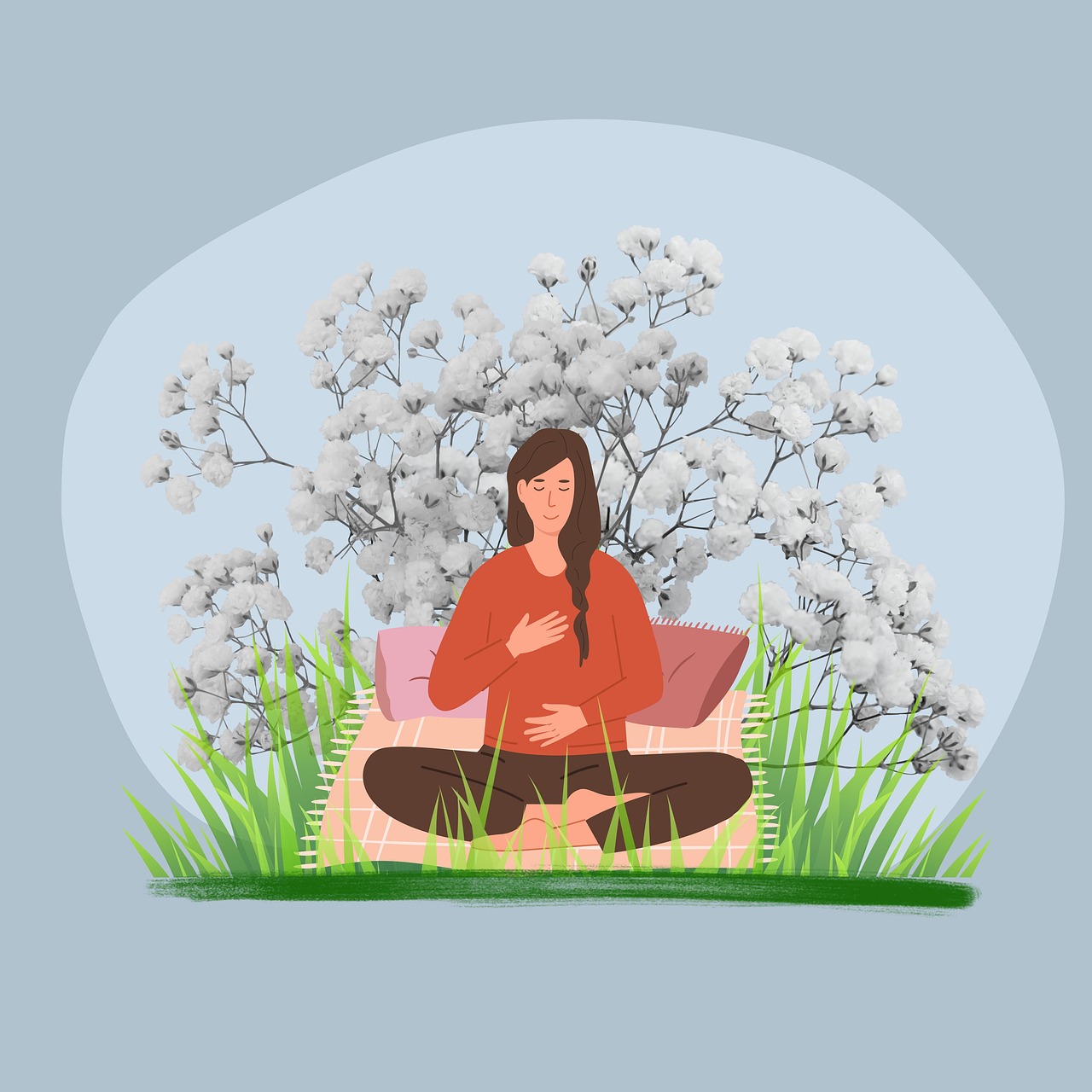
Diaphragmatic breathing is another essential cycle breathing method that targets the diaphragm, allowing deeper and more effective breathing. This technique emphasizes the use of the diaphragm rather than shallow chest breathing. To practice diaphragmatic breathing, individuals should sit or lie in a comfortable position, placing one hand on the chest and the other on the abdomen. Inhale deeply through the nose, ensuring that only the abdomen rises while the chest remains still. This encourages optimal oxygen intake and promotes relaxation, reducing stress levels significantly. Incorporating diaphragmatic breathing into your daily routine can aid in both reducing anxiety and improving sleep quality. Regular practice can enhance lung capacity, making it easier to engage in physical activity or calming exercises. Furthermore, diaphragmatic breathing is especially effective when combined with other relaxation techniques, such as meditation or yoga. This combination offers a holistic approach to improving overall mental health and physical well-being. Begin practicing this technique for just a few minutes daily, gradually adding time as comfort increases. By mastering diaphragmatic breathing, individuals may find enhanced relaxation and better recovery during sleep cycles.
Progressive Relaxation and Breathing Harmony
Integrating progressive relaxation techniques with cycle breathing can create a harmonious approach to enhancing sleep quality. Progressive relaxation involves systematically tensing and relaxing muscle groups while practicing breathing techniques. This process promotes a profound sense of calm, allowing the body to transition from tension to relaxation. Starting at the toes and working upward, tense muscle groups for a few seconds, then release while exhaling deeply. Synchronizing breath control with muscle relaxation enhances the overall experience, deepening the effects of both practices. By engaging in this dual technique, rapid stress relief can be achieved, significantly improving sleep efficiency. Progressive relaxation is particularly beneficial for those struggling with anxiety or racing thoughts, making it easier to fall asleep. Many find incorporating this technique into their evening routine leads to a smoother transition to sleep. The combination of breath awareness and muscle relaxation encourages a more restful night. Just a few rounds of this practice before bedtime can be transformative, leading to deeper and more refreshing sleep. Adopting this integrated approach helps lay the groundwork for improved sleep patterns and enhanced recovery each night.
In conclusion, cycle breathing techniques play a significant role in enhancing sleep quality and recovery processes. With various methods to choose from, such as 4-7-8 breathing, box breathing, and diaphragmatic breathing, individuals can tailor their approach to find what works best for them. These techniques promote deep relaxation, reducing anxiety and fostering a restorative sleep experience. By integrating breathing methods with progressive relaxation, a holistic approach can be established, yielding optimal effects on both mental and physical health. Implementing these techniques into a nightly routine can create a more soothing environment conducive to better sleep. Ultimately, the benefits of cycle breathing extend beyond sleep improvement, positively impacting overall well-being and recovery. For those seeking relief from stressful days, these practices can provide the necessary calm and mental clarity. Word-of-mouth testimonials and research highlight the effectiveness of these methods, emphasizing the need for integration into daily life. As you experiment with these cycle breathing methods, commit to consistency and adapt them according to personal preferences, thus maximizing their potential benefits. Achieving restorative sleep can ultimately lead to improved energy levels and enhanced quality of life.