
Does Food Combining Affect Nutrient Bioavailability?
The concept of food combining suggests that certain foods should not be consumed together to optimize digestion and nutrient absorption. Proponents argue that combining proteins with carbohydrates affects the way these nutrients are metabolized, leading to a decrease in nutrient bioavailability. This idea has garnered attention in the nutrition community, with many people curious about its validity. However, scientific evidence supporting food combining as a means to enhance nutrient absorption remains limited. Most nutrition experts agree that a balanced diet, rich in various food groups, ensures adequate nutrient intake. The human digestive system is quite efficient in breaking down and absorbing nutrients, regardless of food combinations. Furthermore, digestion is a complex process influenced by many factors, including the type and quantity of food consumed, cooking methods, and individual metabolism rates. Consequently, while food combining may seem appealing, it is essential to evaluate its practicality and effectiveness critically. Instead of focusing solely on food combinations, individuals should prioritize a well-rounded diet and consider the broader context of their overall eating habits and nutritional needs.
Advocates of food combining often cite anecdotal experiences and old dietary theories as a basis for their claims. Many believe that specific food pairings lead to gas, bloating, and discomfort, suggesting that this is a result of improper digestion. However, these symptoms may be more closely related to food intolerances or allergies rather than the combination of various foods. Additionally, simplistic notions about food combining do not account for the reality of digestible forms of food consumed. The human body is equipped to manage a variety of food types simultaneously, emphasizing the resilience of our digestive systems. Nutritionists suggest that attention should be given to individual food sensitivities rather than rigid food combining rules. Interestingly, the focus should instead lie on consuming whole foods, vegetables, healthy fats, proteins, and fiber that work together harmoniously in the body. For most people, the key to effective digestion is maintaining a diverse and balanced diet rich in micronutrients that support overall health. By emphasizing overall dietary patterns rather than worrying about specific combinations, individuals can achieve optimal health outcomes.
The Role of Digestion
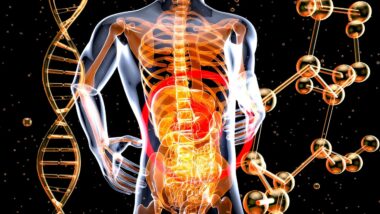
Digestion is a crucial process where food is broken down into smaller components that the body can utilize for energy and function. The digestive system is remarkably adept at handling different macronutrients, capable of separating proteins, fats, and carbohydrates efficiently, regardless of whether they are consumed together. When we eat, enzymes are released that specifically target these nutrients, helping our bodies absorb what they need while excreting the rest. This sophisticated system means that food combining may play much less of a role in nutrient bioavailability than some proponents claim. Many studies and research papers have illustrated that the timing, type, and cooking of food can impact nutrient absorption more significantly than simply how they are combined on a plate. Additionally, disrupting the natural intake of diverse foods could lead to missed opportunities for nutrient absorption, as certain vitamins and minerals work better when they are consumed together. Instead of worrying about food combinations, focusing on portion sizes and overall nutrient intake should be a more effective strategy for healthy eating patterns.
Nutrition science emphasizes the importance of nutrients working synergistically, which can contribute to optimal absorption and health. For example, vitamin C significantly enhances the absorption of non-heme iron from plant sources. On the other hand, calcium can inhibit the absorption of iron when both are consumed together in large amounts. However, these interactions do not stem from food combining principles but rather individual nutrient relationships and absorption dynamics. Understanding these principles is pivotal in crafting a diet that maximizes nutrient bioavailability. It is also pertinent to note that the body has intrinsic mechanisms for optimizing digestion and nutrient uptake. Rather than adhering to rigid dietary rules on food combinations, people can benefit from a mindful approach to eating. This includes listening to their bodies, focusing on balanced meals, and prioritizing foods rich in nutrients. With this holistic view, individuals would not only cultivate better eating habits but also understand that a variety of food options contributes to overall well-being and reduces the need for restrictive combining rules.
Myths and Misunderstandings
Many myths surround food combining, often leading to widespread misconceptions about nutrition. One such myth is the belief that eating protein and carbohydrates together results in improper digestion. This theory rests on the assumption that different foods require different digestive environments—an assumption that lacks robust scientific backing. In reality, the digestive system is designed to handle various foods, working through multiple stages that adapt and respond to the food consumed. Additionally, some believe that certain fruits should never be eaten with other food types, as they require specific digestive conditions. Again, this simplistic viewpoint does not reflect the complex nature of human digestion. Limiting dietary options based on pure food combining beliefs can promote an unnecessarily restrictive approach to eating. Instead of focusing on what foods can or cannot be consumed together, embracing variety and moderation in one’s diet is far more beneficial. Incorporating a wide range of foods ensures that individuals receive essential vitamins and minerals, contributing to a balanced and healthy diet without the confusion and stress associated with strict food combining rules.
To clarify the topic, several studies have examined nutrient absorption rates in relation to food combinations. One notable study published in a reputable nutrition journal showed no significant difference in nutrient absorption between those who followed strict food combining principles and those who did not. This further emphasizes the body’s efficiency in processing whole foods, regardless of how they are served. Nutritional strategies focusing on whole, minimally processed foods rather than adhering to strict food combining rules have proven far more advantageous for overall health. Emphasizing a balanced approach, including fruits, vegetables, lean proteins, and whole grains, supports the body’s ability to absorb nutrients effectively. By concentrating on nutrient density rather than food combinations, individuals can achieve better health outcomes. Further research could provide additional insights but initially concludes that food combining may not be as vital as proponents suggest. Nuanced understanding of how different foods interact and the role of preparation methods may ultimately offer more impactful information for enhancing digestion and absorption than merely adhering to rigid food combining rules.
Conclusion
In conclusion, while food combining maintains a dedicated following in alternative nutrition discussions, the scientific consensus points toward a more adaptive approach to consuming food. The human digestive system is complex and effectively processes various foods simultaneously, rendering the rigid principles of food combining largely unnecessary. Instead of focusing on what foods can or cannot be eaten together, it makes more sense to prioritize a balanced diet that provides a wide range of nutrients. This method promotes better overall health outcomes and fosters enjoyment of food through diversity rather than restriction. Individuals should concentrate on their unique dietary needs and preferences while experimenting with various wholesome foods together. In so doing, they may discover new flavors and combinations, significantly enhancing their eating experiences. Ultimately, the focus should lie on making informed food choices that nourish and sustain an individual’s body rather than adhering to spoken rules about food combinations. Embracing a flexible dietary approach will allow for more enjoyable meals while supporting individual health goals through a more holistic nutritional perspective.