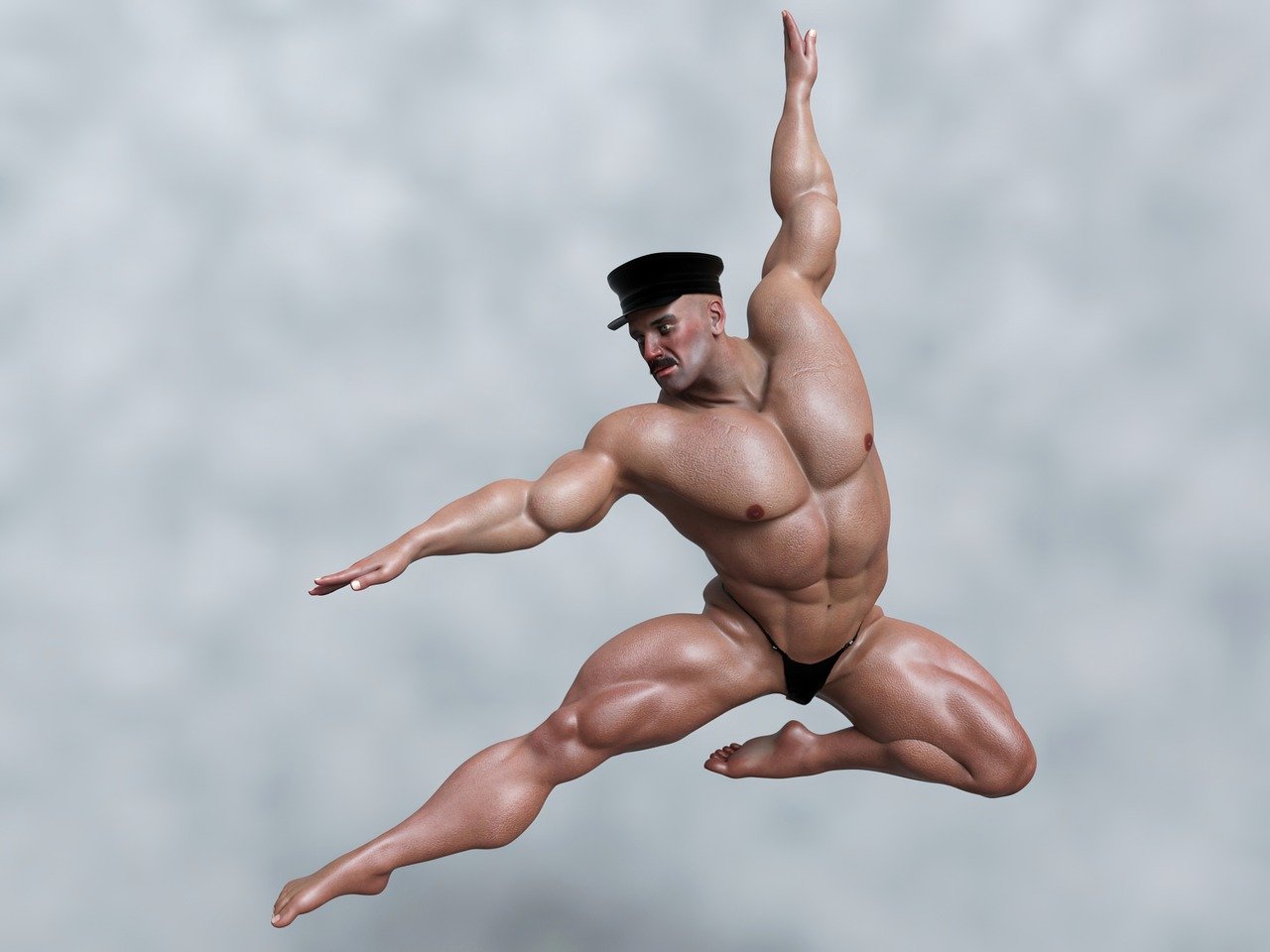

The Role of Bodybuilding Competitions in Promoting Health and Fitness
Bodybuilding competitions hold a significant place in the fitness realm, showcasing the results of dedicated physical training and nutrition. Many individuals aspire to compete at various levels for personal achievements and health benefits. These competitions encourage participants to adopt strict training regimens and balanced diets, fostering discipline and commitment. Each competitor represents an extraordinary commitment to their physical form through muscle development and weight management. The structure of competitions often models a holistic approach encompassing not just physical appearance but also mental strength and self-discipline. Healthier lifestyles blossom from the rigorous preparation for such events, often spreading awareness about the importance of nutrition and fitness. Different federations, such as the IFBB or NPC, provide platforms for these athletes to showcase their hard work. They also promote ethical practices in the fitness industry, educating participants about safe training methods. As such, bodybuilding competitions motivate not only the contestants but also inspire the audience, creating a vibrant environment centered around health. Events often include seminars and workshops, further enhancing knowledge about health, fitness, and bodybuilding practices.
Competitors participate in various categories, and each category emphasizes different aspects of bodybuilding. For instance, categories include Men’s Bodybuilding, Women’s Physique, and Classic Bodybuilding, which focus on shaping different body ideals. Each participant undergoes an intense training routine to achieve optimal muscle growth, conditioning, and symmetry. Training often incorporates strength exercises, cardiovascular workouts, and essential rest periods. Preparation incorporates a meticulous diet, often rich in protein while managing carbohydrates and fats effectively. Many athletes work closely with trainers or coaches specializing in bodybuilding to optimize their routines. This guidance helps them refine their techniques while ensuring they remain injury-free during preparation. The psychological aspect of competing in bodybuilding also plays a crucial role. Competitors often undergo stress and pressure to achieve personal bests and perform excellently on stage. Engaging with fellow athletes fosters camaraderie and healthy competition, encouraging individuals to surpass their limits. As such, bodybuilding competitions can lead to a community built around support and motivation, further influencing overall fitness culture. These contests encourage many fitness enthusiasts to step out of their comfort zones and aim for excellence in their physical capabilities.
The Impact of Bodybuilding Competitions on Community Engagement
Bodybuilding competitions also engage broader communities, drawing spectators and fitness enthusiasts interested in the sport. Local events generate excitement and interest in fitness activities, creating a ripple effect throughout fitness facilities. Many venues host these competitions annually, where participants are encouraged to share their stories and journeys. This open forum allows everyone to witness the transformative power of bodybuilding firsthand and press on the importance of health and wellness. Community involvement can stem from watching competitors and participating in workshops hosted before contests. Knowledge sharing from seasoned athletes immensely benefits newcomers aspiring to join the sport. Competitions encourage local gyms to embrace bodybuilding programs, offering classes or resources to help aspiring athletes. With increased participation, the local bodybuilding culture thrives through consistent training and support. Beyond fitness facilities, sponsors and local businesses often support these events. They contribute resources, funding, and even display products at competitions, strengthening community ties. Collaborations among fitness professionals, local businesses, and health enthusiasts create a robust environment promoting fitness and health ideals. Thus, bodybuilding competitions play a role in creating interconnected communities centered around healthy lifestyles and fitness aspirations.
Apart from engaging the community, bodybuilding competitions have made marked advances in promoting inclusivity within the fitness space. Over the years, event organizers have become more conscious of diversifying categories and providing opportunities for various body types, age groups, and genders to participate. Organizations are increasingly allowing bodybuilders of all backgrounds to showcase their efforts, which helps dismantle stereotypes about the sport. In the past, bodybuilding was often characterized by a narrow image of muscularity, dismissing those with different physiques and abilities. Enhancing inclusivity serves to highlight the varying paths individuals take towards health and fitness. Special categories, such as wheelchair bodybuilding and adaptive competitions, empower participants facing physical challenges. Recognizing these diverse athletes broadens the appeal of bodybuilding competitions, fostering an even greater sense of community. Representing a variety of competitors also inspires attendees who may be hesitant about pursuing fitness. By observing diverse participants within competitions, individuals can find motivation in the champions to rethink traditional standards of beauty and strength. As a result, bodybuilding competitions continue to evolve by setting foundations for a more inclusive fitness culture.
The Role of Nutrition and Recovery
An essential aspect of bodybuilding competitions is the emphasis on nutrition and recovery. Building muscle mass requires not only training but also proper dietary considerations to ensure success. Participants adopt specific meal plans that increase protein intake while maintaining essential micronutrients. Nutrition planning often involves periods of caloric surplus and deficit in preparation for competitions, focusing on achieving an ideal physique during the competitive day. Athletes become knowledgeable about reading labels, understanding food quality, and making informed choices to enhance performance. Additionally, recovery plays a key role in ensuring athletes can train consistently and minimize injury risk. Recovery methods, including rest, hydration, and active recovery techniques, are integral to maintaining long-term health. Bodybuilders often emphasize sleep as an essential component of recovery. The journey to peak performance includes prioritizing adequate sleep for muscle regrowth and mental clarity. The synergy between nutrition, training, and recovery prepares competitors to present their best selves on stage. As more people incorporate these principles into their routines, the general population experiences the benefits of improved health and fitness outcomes, showcasing the far-reaching impact of bodybuilding competitions.
Bodybuilding competitions also serve as important educational platforms, wherein both contenders and spectators gain valuable insights into the fitness world. Many events involve workshops or seminars led by experienced professionals within the realm of health and bodybuilding. Topics often cover essential information, including effective training practices, nutrition tips, and mental strategies for achieving fitness goals. Such learning opportunities empower both participants and their supporters to make informed decisions regarding their training and dietary choices. This knowledge transfer extends beyond competitions, with many driving innovations in fitness training and nutritional guidelines. Audience members often leave events with new ideas and inspiration to pursue their fitness journeys. Folowing the competition, online forums and social media channels offer a virtual space for participants to connect, share experiences, and seek guidance. This guidance allows new enthusiasts to feel welcomed and supported within the fitness community. Additionally, engaging with fitness coaches or trainers helps individuals refine their personal approaches, maximizing their potential. Thus, bodybuilding competitions play a dual role, presenting an opportunity for athletes while enriching the broader community, promoting fitness literacy, and empowering individuals to pursue healthier lifestyles.
Future of Bodybuilding Competitions in Health Promotion
As bodybuilding competitions continue to evolve, their role in promoting health will undoubtedly expand. With growing awareness of fitness influences, more diverse participants are encouraged to join the sport. Future competitions will likely incorporate more rigorous safety and ethical standards, ensuring the health of athletes remains a priority. Additionally, there is an increased emphasis on mental health awareness within competitive settings. Organizers are taking steps to ensure that the pressure on participants is mindful of mental well-being. This holistic approach promotes the overall health of athletes, encompassing both physical and mental aspects. Technology innovations continue to change the landscape of competitions, with online live streaming and digital participation extending access to broader audiences. As a result, individuals from various backgrounds can witness the passion and dedication found within bodybuilding. Furthermore, as fun and engaging formats emerge, such as team competitions or themed events, the bodybuilding community becomes more approachable. Ultimately, bodybuilding competitions have the potential to significantly affect public health by encouraging fitness, healthy lifestyle choices, and community engagement. The legacy of bodybuilding will continue to inspire future generations to embrace health and fitness principles.