Understanding the Link Between Climate Change and Personal Fitness
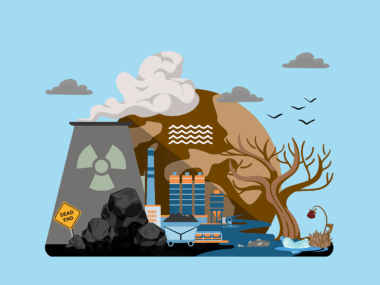
The connection between climate change and personal fitness is becoming increasingly apparent. As altering weather patterns affect the environment, individuals face unique fitness challenges. These challenges impact mental health, physical fitness, and overall well-being. Extreme weather, such as rising temperatures and erratic precipitation, discourages outdoor activities and alters physical routines. Hotter summers can limit the time people feel comfortable exercising outside, leading to reduced activity levels. Additionally, air pollution worsened by climate change can significantly hinder respiratory health, which further complicates physical fitness. Individuals with limited access to safe recreational areas are less likely to engage in regular exercise. Consequently, it is crucial to examine the ways climate change may hinder individual fitness efforts. Educating the public about these interconnections is vital. Advocacy for policies addressing environmental health can help mitigate fitness-related challenges prompted by our changing climate. Together, communities need to come up with innovative solutions that promote environmentally sustainable fitness. By fostering public awareness, society can empower individuals to take proactive steps for their health while simultaneously working towards a healthier planet.
Another issue related to climate change and fitness is the psychological aspect. When individuals face increasing temperatures and unpredictable weather events, mental health can be adversely affected. Stress and anxiety may build in regions that experience extreme heat or natural disasters. These mental health stresses can further decrease motivation levels, making it difficult for individuals to maintain consistent training schedules. Furthermore, mental fatigue caused by these worrying factors can lead to decreased interest in fitness activities. People may also feel overwhelmed by the negative environmental consequences of climate change, leaving them feeling powerless. Creating positive fitness platforms that inform and inspire individuals can act as antidotes to this rising anxiety. Incorporating elements of environmental awareness into fitness initiatives not only promotes personal health but emphasizes the importance of sustainability. Activities like community garden workouts have emerged as popular and eco-conscious workout options to engage people’s physicality while motivating them towards a larger purpose. By facilitating fitness activities rooted in environmental responsibility, we foster a connection between personal health and a commitment to protecting our planet. Together, these actions can manifest meaningful lifestyle changes that advocate for a sustainable future.
The Role of Urban Planning in Promoting Fitness
Urban planning plays a significant role in determining how accessible recreational areas and fitness options are for the general population. Effective urban planning prioritizes well-designed public spaces that encourage movement and physical activity. In communities where green spaces and well-maintained walking and biking paths are prevalent, individuals are more likely to engage in outdoor fitness activities. Conversely, urban spaces that lack adequate parks, fitness facilities, or pedestrian pathways limit access and opportunities for residents, leading to sedentary lifestyles. Inclusivity in design is another essential aspect of urban planning. Well-planned areas should cater to diverse populations, ensuring everyone has access to fitness opportunities regardless of social or economic status. Moreover, as climate change influences urban landscapes with rising sea levels and extreme weather considerations, cities must incorporate sustainability practices into development initiatives. By creating environments that prioritize fitness and sustainability, urban planners not only promote personal health but also contribute positively to the climate crisis resolution. It stands to reason that fostering interconnected urban spaces can yield long-term health benefits for individuals and communities, promoting sustainability and personal fitness.
Communities can also create health-oriented programs that directly link climate change awareness with fitness opportunities. While traditional fitness classes remain popular, innovative approaches are emerging to incorporate environmental education into fitness regimes. Organizations can initiate community clean-up events that double as workout sessions, promoting the importance of preserving local environments while getting fit. Local governments and non-profits can collaborate to develop these programs that not only intend to improve physical health but also foster environmental stewardship. These initiatives can encourage participation through fun activities designed to benefit the environment and public health. Furthermore, education campaigns promoting environmentally friendly transportation modes can also help promote fitness. Encourage walking or cycling instead of driving while emphasizing the personal fitness benefits of such decisions. This approach directly links the fight against climate change with improved overall health. Partnerships with schools and community centers can facilitate these discussions, ensuring children and adults advocate for healthier habits and a sustainable environment.
Fitness Technology Adaptation in a Changing Climate
With advancements in fitness technology, individuals can effectively track their workouts and adapt their routines based on climate conditions. Wearable technologies are revolutionizing personal fitness by enabling users to monitor heart rate, track distance, and analyze environmental factors. Many fitness apps now provide real-time information regarding air quality and weather patterns, ensuring individuals make informed choices about their outdoor activities. These technological resources are valuable for improving health while navigating climate change challenges. Fitness enthusiasts can leverage data to alter their routines and avoid strenuous exercises during extreme heat, thus maintaining overall health. As climate change brings about unpredictable weather patterns, integration of technology will continue to play a significant role in supporting eco-friendly lifestyle choices. By helping individuals adhere to their physical fitness goals, technology encourages acting responsibly toward the environment. For instance, fitness programs can incorporate challenges that prioritize sustainable choices while inspiring users to engage with nature in mindful ways. Fostering a sense of community through fitness technology enables individuals to motivate one another while advocating for environmentally conscious living.
Furthermore, creating climate-conscious corporate wellness programs can address the pressing concerns surrounding personal fitness amid global climate change. Companies can choose to engage their employees in sustainable exercise options by offering incentives for participating in environmentally friendly fitness programs. For example, businesses could host charity runs that specifically fund local environmental efforts, which not only promote fitness but emphasize social responsibility. By aligning corporate wellness initiatives with social causes, businesses can attract employees who value both fitness and sustainability. These programs can introduce team-building fitness challenges while incorporating educational workshops centered around sustainability practices. Encouraging employees to take charge of their health while simultaneously reinforcing the message of environmental stewardship fosters a positive workplace culture. Ultimately, companies that prioritize fitness and wellness will find themselves with more engaged, productive employees who genuinely care about their well-being and the environment. In the long run, bridging the gap between personal fitness and the environmental crisis will not only enhance employee health but also contribute positively to the community.
Final Thoughts on Climate Change and Personal Fitness
As the world faces the realities of climate change, individuals must understand how their personal fitness is intertwined with environmental factors. Both mental and physical health are compromised by climatic shifts, making fitness challenges more prevalent. Communities must collectively strive to create healthy environments that support active lifestyles and promote sustainability. Fostering connections between personal fitness and environmental responsibility resonates deeply, leading to transformative changes in how individuals approach their health. Through education, innovative urban planning, and technology, we can cultivate wellness spaces that thrive amid climate concerns. In the face of mounting challenges, citizens can take action towards a sustainable lifestyle that prioritizes personal fitness while caring for our planet. By working together within communities, we promote a culture of health and environmental stewardship, impacting future generations positively. Ultimately, the link between climate change and personal fitness calls for immediate attention. Our collective response will determine how effectively we tackle these challenges and shape a healthier future for ourselves and the planet.