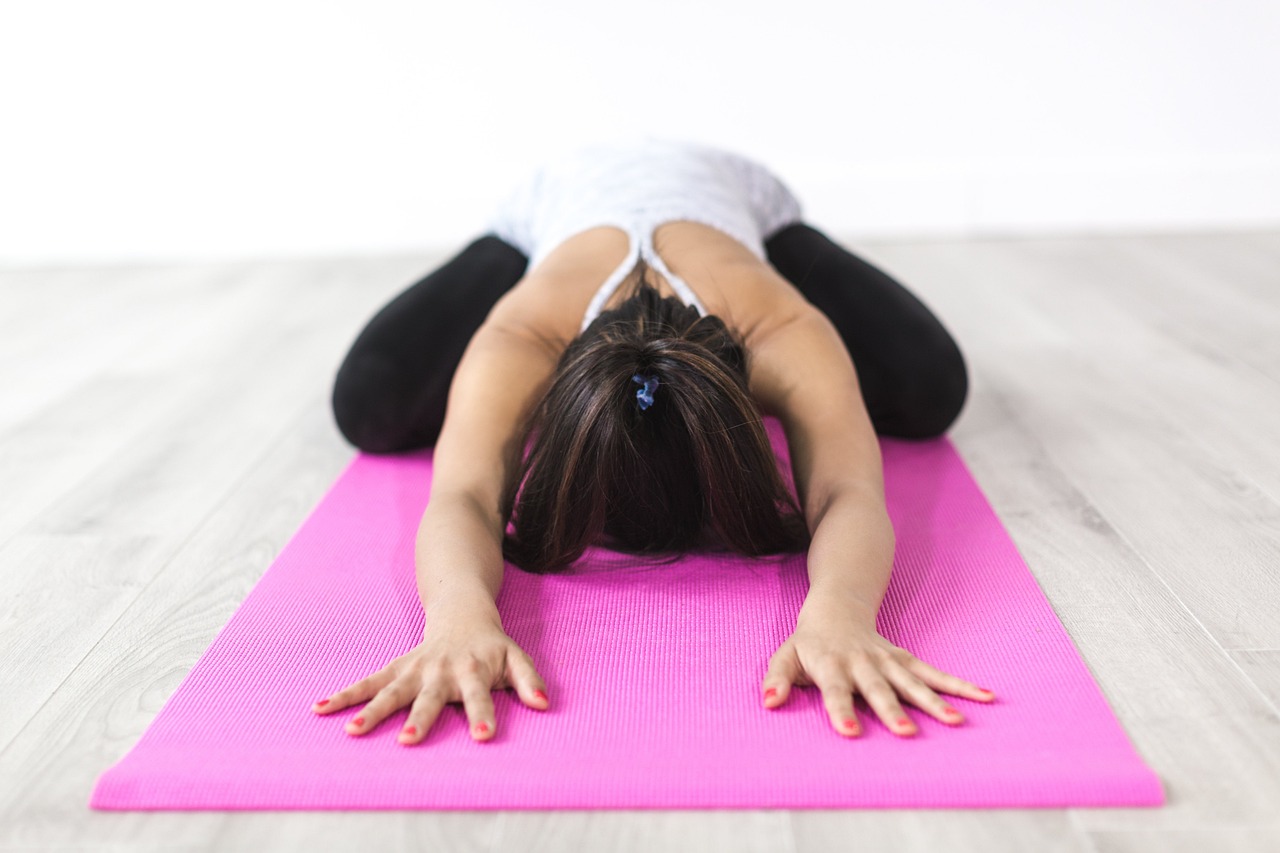

Transforming Workout Routines with Mindfulness and Self-Love
In the fast-paced world of fitness, integrating mindfulness and self-love into workout routines is essential for holistic well-being. Mindfulness encourages individuals to be present during workouts, fostering a deeper connection between body and mind. This sense of awareness can transform mundane gym sessions into fulfilling experiences. When exercising mindfully, individuals learn to embrace their bodies, fostering a positive body image. Self-love plays a significant role in this journey, allowing individuals to recognize their achievements, regardless of societal standards. By focusing on what their bodies can do rather than how they look, individuals nurture their self-esteem. Incorporating these principles leads to consistent workouts, as it shifts the focus from appearance to health and vitality. Mindful workouts can range from yoga to strength training, where individuals pay attention to each movement. Optimal breathing techniques, listening to the body’s needs, and setting achievable goals fosters this approach. Moreover, enhancing emotional resilience through mindfulness can lead to overcoming challenges. Committing to this mindset can recreate a joyful fitness journey, where every session emphasizes positivity, growth, and acceptance, making fitness more fulfilling than ever before.
Benefits of Mindfulness in Fitness
The benefits of incorporating mindfulness into fitness routines are numerous and profound. Research consistently shows that mindful practices can enhance mental health, reduce stress, and improve emotional well-being. When individuals approach their workout with mindfulness, they often experience increased motivation and decreased anxiety levels. This transformation allows individuals to appreciate each exercise, enhancing their overall satisfaction with their fitness journey. By focusing on specific movements, individuals develop greater body awareness, making adjustments that prevent injuries. Additionally, mindfulness leads to improved endurance and performance, making workouts more effective. Practicing body positivity simultaneously strengthens this approach. Individuals learn to identify negative self-talk and replace it with affirming thoughts. This practice encourages gratitude for one’s body and its capabilities, rather than fixating on flaws. Techniques such as meditation or conscious breathing, integrated within workouts, foster this mindset. Establishing a deep connection with the body can encourage people to engage wholeheartedly in physical activities. It cultivates a sense of joy in movement, ultimately leading to sustainable fitness habits. In essence, mindfulness and body positivity intertwine to create a wholesome and balanced fitness experience, supporting long-term health and happiness.
To truly embrace mindfulness in fitness, several practical strategies can be employed. First, consider setting an intention before each workout. Reflect on your goals and the emotions you hope to cultivate during the session. This intention can be a guiding force, helping you stay focused. During workouts, practice mindful breathing to anchor yourself in the present moment. Inhale deeply and exhale slowly, noticing how this rhythm aligns with your movements. Additionally, experiment with different forms of exercise that resonate with your mind and body, such as dancing, swimming, or tai chi. Adapt workouts to what feels right, avoiding comparison with others. Another helpful strategy is engaging in post-workout reflection. Journaling about your feelings during the workout can uncover insights about your body’s responses and emotional states. Sharing your experiences with supportive communities can also enhance your journey. Surround yourself with those who embrace the same principles of mindfulness and self-love. Finally, be gentle with yourself. Recognize that fitness is a lifelong journey filled with ebbs and flows. Embracing compassion for yourself during challenging moments promotes resilience.
Building Body Positivity
Building body positivity within a fitness routine is an empowering process that requires consistent effort. Start by actively challenging negative thoughts about your body. Every time a critical thought arises, counter it with two affirming statements that highlight your strengths and capabilities. This simple practice shifts focus from appearance to ability and achievements. Moreover, engage in positive affirmations daily, reinforcing love and acceptance toward your body. Allies in this journey can be crucial; connect with friends or online communities that celebrate diverse body types and encourage self-love. Regularly consuming positive media that promotes realistic body images can further reinforce this mindset. For instance, follow influencers who embody body positivity and share relatable fitness journeys. Understanding that fitness levels vary greatly across individuals can liberate personal expectations. Embrace the idea that every body is unique and capable of greatness. Adding more variety to your workout practices can enhance enjoyment and reduce the risk of falling into comparison traps. Celebrate small victories during workouts, such as improved strength or endurance, leading to gradual confidence-building. Ultimately, prioritizing self-love creates an uplifting atmosphere where fitness becomes an extension of personal growth rather than a source of stress.
Incorporating mindfulness during workouts also involves less emphasis on perfectionism. Embrace imperfection in both your fitness routines and your body. Accepting that some days may feel more challenging than others can help alleviate the pressure associated with physical performance. Rather than striving for perfection, focus on progress. Remind yourself that it’s about the journey, not just the destination. Celebrate every workout completed, regardless of its intensity or duration, as a testament to your commitment. Allow space for rest and recovery, knowing that it is an essential aspect of fitness. Mindfulness can extend beyond the gym; consider incorporating it into your daily life. Practice being fully present during meals, work, and relationships to cultivate a more centered and balanced approach to life. By recognizing the interplay between mental and physical wellness, you enhance overall fitness. Encourage yourself to enjoy the process and learn from your experiences. Developing a positive relationship with fitness requires time and dedication. Every small step toward mindfulness and self-love brings you closer to developing a holistic lifestyle that enhances both your physical health and emotional well-being.
Conclusion: A Journey of Acceptance
The journey toward integrating mindfulness and self-love within fitness routines is uniquely personal and transformative. As you commit to this path, expect to encounter challenges and celebrations alike. Acknowledge that each workout is an opportunity to connect with your body on a deeper level, learning to appreciate its strengths and intricacies. Through mindfulness, you nurture a compassionate relationship with yourself, leading to healthier habits. It’s essential to establish realistic and forgiving goals along this journey, allowing for flexibility as life’s demands change. Consider seeking out activities that ignite passion alongside the workout. Following your joy promotes sustained motivation and consistent practice. Surround yourself with supportive environments, whether through community classes or online platforms that align with your values. This sense of belonging enhances confidence and cultivates positivity. Ultimately, your commitment to this blend of mindfulness and body positivity will create a sustainable fitness lifestyle. Remember, fitness should be a source of joy rather than a burden. With this mindset integrated into your routines, you foster a loving relationship with yourself, enabling you to thrive and bask in the journey toward holistic wellness.
Embracing mindfulness and body positivity in fitness is not merely a trend; it is a vital practice that encourages overall well-being. As individuals embark on this journey, they learn to appreciate their unique paths, focusing on personal growth instead of societal expectations. By shifting perspectives to celebrate the body’s abilities and resilience, everyone can experience a richer, more fulfilling fitness experience. Encouraging gratitude for what the body can achieve solidifies this mindset, making fitness inclusive and empowering for all. Mindfulness practices enrich physical activities by promoting sustainability and joy. Therefore, whether you’re lifting weights or engaging in a calming yoga session, remember that every workout is a celebration of health. The inclusion of self-love and mindfulness creates a profound transformation in one’s approach to fitness, allowing for genuine connections with oneself and others. This holistic view begins to redefine what it means to be fit, emphasizing emotional health as much as physical strength. Ultimately, prioritizing mindfulness and self-love helps create a healthier world where every individual can thrive in their unique journeys, embracing the beautiful diversity of fitness and wellness possibilities.