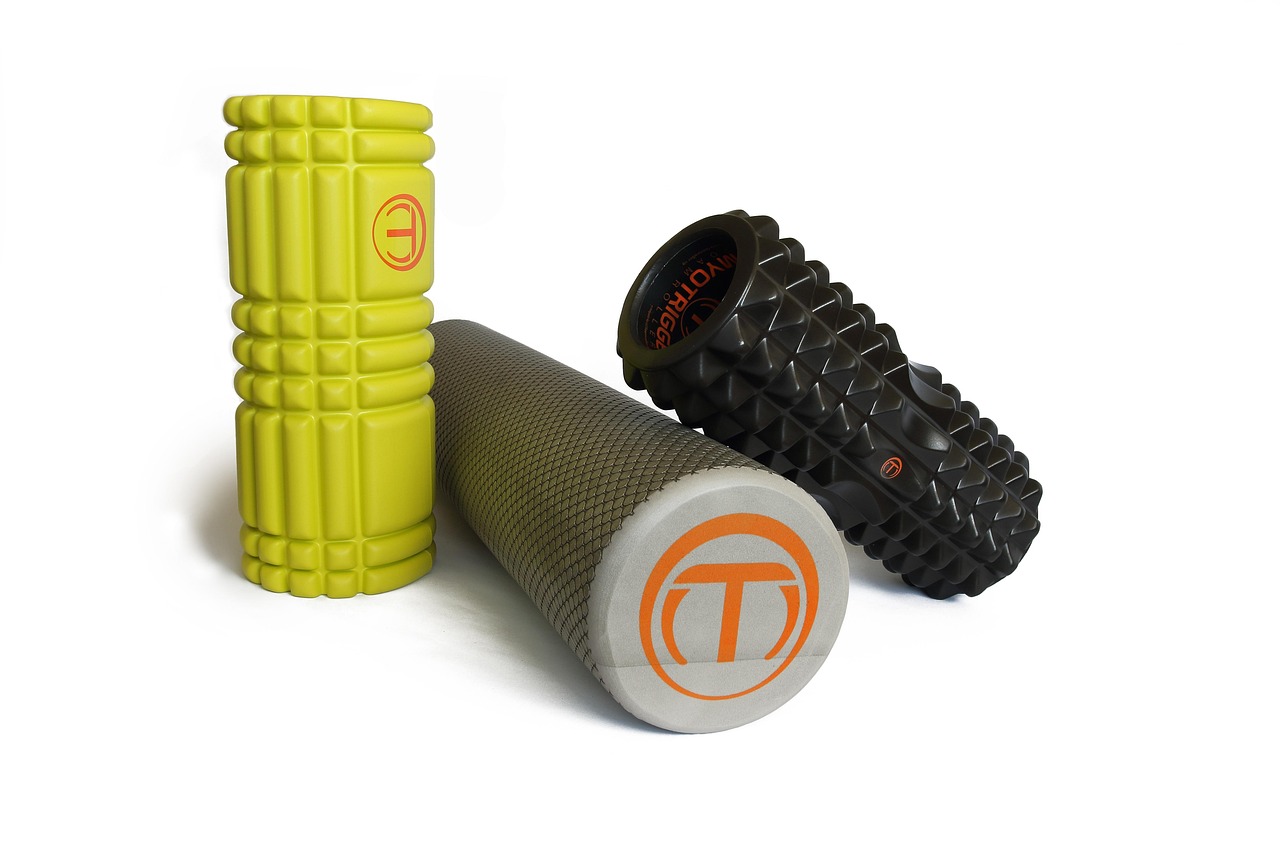

Foam Rollers & Recovery Tools After HIIT Sessions
High-Intensity Interval Training (HIIT) is an effective workout method for burning fat and building endurance. After such intense exercise, recovery is crucial to prevent injuries and enhance performance. Foam rollers are one of the most popular recovery tools among fitness enthusiasts. They help relieve muscle tightness and soreness, making them a must-have for anyone who engages in HIIT or similar workouts. Not only do foam rollers improve flexibility and range of motion, but they also enhance blood circulation, which speeds up recovery. Incorporating foam rolling into your post-HIIT routine can significantly reduce muscle stiffness and pain. You can choose from various foam rollers available in the market, each designed for different needs. Some are firm while others are softer, catering to different levels of muscle tension. When selecting a foam roller, consider the density and texture that best suits your recovery needs. Ideally, beginners can start with softer foam rollers, gradually transitioning to firmer options as their muscles become accustomed to the pressure. This practice can substantially improve your overall training experience.
Apart from foam rollers, various recovery tools complement a comprehensive post-HIIT session routine. Massage balls are another effective option for targeting specific muscle groups, especially in hard-to-reach areas. These small yet powerful tools allow you to perform self-myofascial release on tight spots that a foam roller might miss. Incorporating massage balls into your routine can enhance your recovery process, providing relief from muscle aches and improving flexibility. They are particularly advantageous for athletes aiming to address specific tight muscles after rigorous workouts. Additionally, consider investing in a massage stick, which can be used to relieve muscle soreness and increase blood flow. This portable tool allows for self-massage methods that can be done anytime, anywhere. For those who prefer a more hands-on approach, hiring a professional massage therapist might be essential. This method can provide tailored recovery solutions for your specific needs. Choosing the right recovery tools and techniques can be a game-changer for your overall fitness progress. Don’t underestimate the importance of giving your body time to recover properly.
Benefits of Using Recovery Tools
The benefits of using recovery tools after HIIT sessions cannot be overstated. Proper recovery methods can significantly enhance your performance during subsequent workouts. Recovery tools like foam rollers and massage balls help alleviate muscle tightness, reduce soreness, and prevent injuries. They play a vital role in mitigating the effects of lactic acid build-up, which often leads to delayed onset muscle soreness (DOMS). Furthermore, integrating such tools into your routine may improve circulation, promoting the healing of micro-tears that occur in muscles during exercise. Enhanced blood flow also aids in delivering essential nutrients needed for muscle repair. Many people overlook recovery, but it is just as critical as the workout itself. Skipping recovery could lead to prolonged soreness, fatigue, and higher injury risk, which ultimately hinders progress. Investing time in recovery allows for better performance in HIIT sessions and ensures you can keep pushing your limits. Neglecting this aspect can stall your fitness journey, making recovery tools like foam rollers indispensable in maintaining a healthy workout regimen.
When considering the correct foam roller to purchase, take into account your specific needs and preferences. The first thing to note is the foam roller’s density, as this will affect how much pressure it applies to your muscles. Softer foam rollers are ideal for beginners or those with sensitive muscles, while firmer rollers provide deeper tissue massage suitable for advanced users. The texture of the foam roller is also crucial; some rollers have grooves or bumps designed to mimic professional massage techniques, providing a more targeted massage experience. Additionally, size is an important factor. Standard foam rollers are usually 36 inches long, but shorter versions are also available for portability. Always look for quality materials that ensure durability, especially if you plan to use the roller frequently. Research customer reviews and ratings to choose a product that fits your budget and meets your requirements. Websites like Amazon are excellent places for finding a variety of options and user feedback. Doing thorough research on foam rollers will enhance your recovery experience.
Using Foam Rollers Effectively
To maximize the benefits of foam rolling, it’s essential to know how to use the roller effectively. Always begin your routine with a warm-up to prepare your muscles for rolling. Spend about 1-2 minutes on each muscle group, applying moderate pressure while rolling slowly over tight spots. When you find areas that feel particularly tender, pause there and apply steady pressure for about 20 to 30 seconds. This practice can release tension effectively. It’s also important to breathe deeply while rolling, as this helps relax your body and eases discomfort. Incorporating foam rolling into your routine after workouts can enhance flexibility, boost recovery, and improve performance. You can target various muscle groups depending on your needs, including calves, quadriceps, hamstrings, back, and hips. As you roll, maintain good posture and control to ensure efficiency and safety. Make it a habit to foam roll consistently; even a few minutes daily can have significant long-term benefits for your body. By learning the best techniques, you can unleash the full potential of this recovery tool.
In addition to foam rollers, other tools like resistance bands can facilitate effective stretching and recovery. They can be utilized for both warm-up and cool-down exercises after HIIT sessions. Incorporating resistance bands into your routine aids in building muscle strength and flexibility, crucial for injury prevention. Stretching is another essential component of recovery. Engaging in a comprehensive stretching routine allows you to maintain flexibility and can reduce muscle soreness significantly. Stretching after workouts promotes relaxation and helps align muscle fibers. Always prioritize dynamic stretching before exercising and static stretching afterward for optimal results. Some people also benefit from using CBD creams or ointments following intense workouts. These products may alleviate discomfort and promote faster recovery. Each individual’s body responds differently, so experiment with these recovery methods to find what works best for you. The combination of multiple recovery tools will create an effective post-workout routine. Don’t rush this important part of your fitness journey, as taking the time to recover can enhance your performance in future HIIT sessions tremendously.
Conclusion: The Importance of Recovery
The journey towards achieving your fitness goals can only be fulfilled when adequate recovery is prioritized. Recovery tools like foam rollers and massage balls offer significant benefits that cannot be overlooked. They enhance muscle recovery, reduce soreness, and prepare your body for the next workout, proving invaluable for anyone engaged in high-intensity training. By taking the time to incorporate effective recovery methods, you can optimize your training sessions and prevent injuries. Understanding how to utilize foam rollers effectively will ensure you achieve the best results. Don’t shy away from exploring other recovery tools and routines that may complement your efforts. Consistency in recovery practices will produce noticeable improvements in your overall performance. By prioritizing this aspect of your fitness journey, you can unlock higher levels of endurance and capability during HIIT sessions. Also, consider consulting with a fitness professional to tailor your recovery strategies precisely to fit your needs. This teamwork can lead to achieving better performance outcomes in training, validating the significant role of recovery within any fitness program. Embrace recovery as an integral part of your routine to enhance your HIIT experience.
Explore various resources available online to deepen your understanding of HIIT and recovery strategies. Websites dedicated to fitness, such as Bodybuilding.com, offer extensive articles on recovery techniques and tools tailored for high-intensity training. Engaging with the fitness community through social media platforms can also provide insights into the latest trends in recovery practices. Joining forums or groups centered around HIIT can foster a supportive environment, helping you connect with like-minded individuals. Sharing experiences and knowledge can serve as motivation and inspiration on your fitness journey. Stay informed about new research and emerging tools aimed at improving recovery processes. The world of fitness is constantly evolving, and keeping up-to-date will enable you to make smarter choices. Make an active effort to continuously educate yourself on best practices for recovery, allowing you to fine-tune your regimen progressively. Implement these practices consistently for long-term benefits. Ultimately, the longevity of your fitness journey is significantly tied to how well you recover after intense workouts.