
Why Sunken Eyes Are a Serious Sign of Dehydration
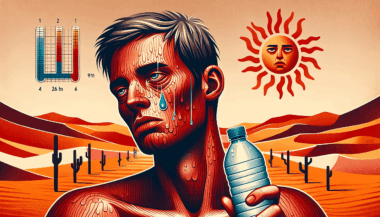
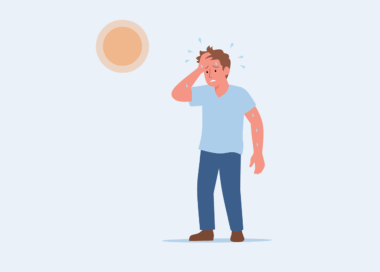
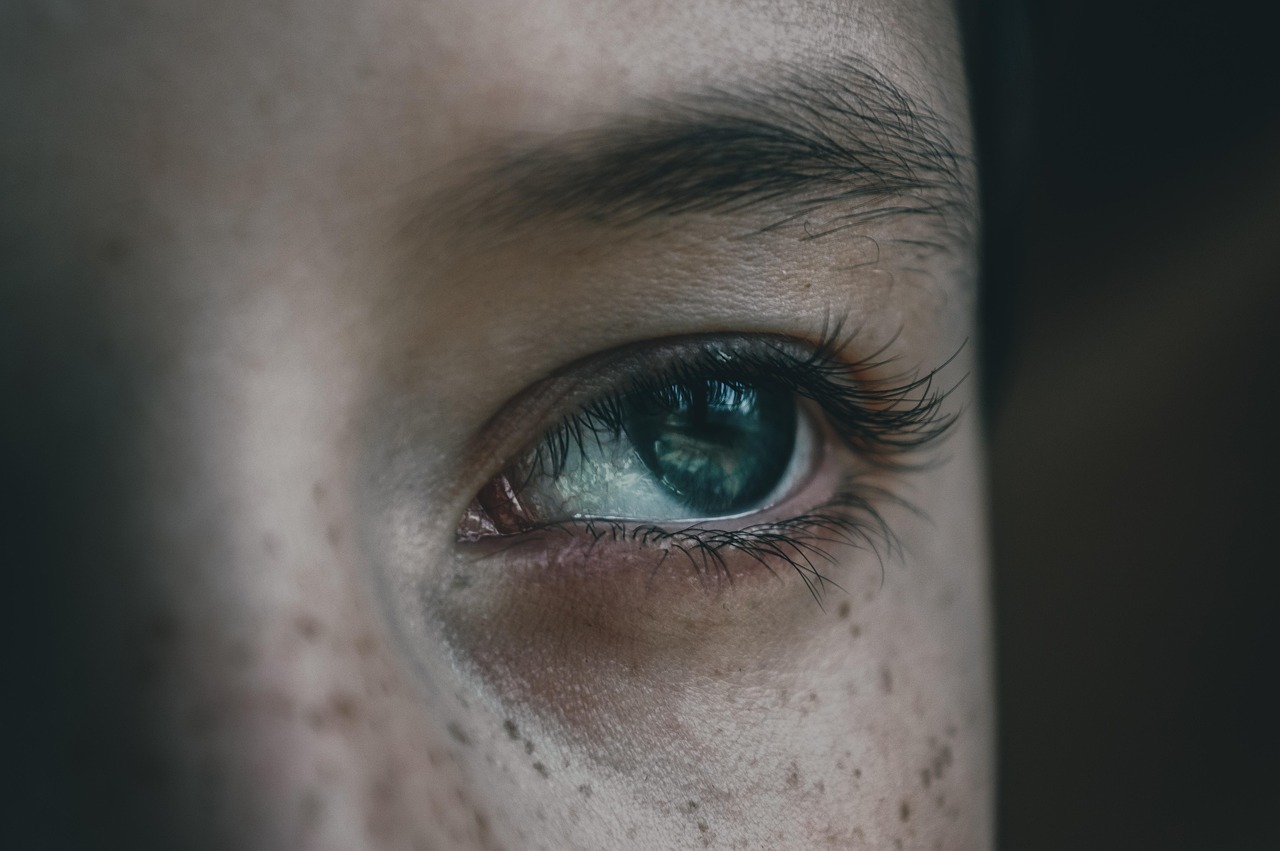
Dehydration occurs when the body loses more fluids than it takes in, affecting numerous bodily functions. One alarming indicator of dehydration can be the appearance of sunken eyes. This symptom is often accompanied by a complex interplay of signs that reveal a lack of adequate hydration. The importance of recognizing sunken eyes cannot be overstated, as they could be a serious warning of advancing dehydration. Visible signs include dark circles, dryness around the eyes, and an overall hollow appearance of the eye socket. Each of these aspects can be critical in assessing hydration levels. Addressing dehydration promptly can be essential for preventing more significant health issues. Proper hydration ensures optimal metabolism, cognitive function, and temperature regulation. Consuming adequate fluids, especially during hot weather or physical exertion, remains crucial. The recommended water intake varies by age and activity level, yet sticking with general guidelines can significantly aid in staying hydrated. Always listen to your body and recognize the early signs of dehydration before sunken eyes and other symptoms become pronounced.
Many factors can contribute to dehydration besides inadequate water intake. Environmental conditions, physical activity, and illness can all play roles in fluid loss, making it essential to be aware of one’s hydration status. In hot or humid weather, for instance, the body may sweat excessively, leading to a more significant risk of dehydration. Moreover, activities that lead to heavy sweating, such as running or playing sports, increase the need for additional water consumption. Additionally, some conditions like fever or diarrhea further exacerbate fluid loss. It becomes even more critical to ensure a consistent intake of fluids in such situations. Another often-overlooked aspect is the role of diet. Consuming copious amounts of caffeinated or alcoholic beverages can lead to dehydration as they act as diuretics. To maintain optimal hydration, consider balancing both water intake and electrolytes through foods and beverages. Including water-rich foods like fruits and vegetables in your meals can also assist in maintaining hydration. Being proactive about hydration during daily activities, especially in extreme weather or strenuous activities, is essential for overall well-being.
How to Identify Dehydration Beyond Sunken Eyes
Recognizing more than just sunken eyes is necessary to gauge overall hydration. Several other indicators present themselves when the body is lacking adequate fluids. Common symptoms include dry mouth, decreased urine output, and dark-colored urine. As dehydration progresses, it can result in feelings of thirst, dizziness, and fatigue. The process of identifying these signs can be pretty straightforward if one remains vigilant. For instance, checking urine color is one simple method; it should ideally be pale yellow. A sudden shift to a darker shade may indicate a lack of fluid. Additionally, observing skin elasticity can be an informative measure; skin may lose its ability to bounce back when pinched, revealing an underlying dehydration issue. Monitoring these symptoms can empower individuals to act promptly before the situation escalates to a more severe state. People at risk, such as older adults and young children, need to be especially vigilant. They may experience pronounced effects from minor fluid loss. Before reaching alarming stages, implementing corrective actions like increasing water intake is vital.
Given the range of impacts dehydration can have, prioritizing hydration is essential to overall health. Not addressing mild signs of dehydration, such as sunken eyes, could lead to chronic health issues. By integrating a mindful approach to hydration habits, individuals can avoid the long-term adverse effects of dehydration. Establishing set routines for water intake can be effective, such as carrying a refillable water bottle while on the go. Additionally, setting phone reminders throughout the day can help keep hydration top of mind. Consuming hydrating beverages like herbal teas or fresh juices can also contribute positively. Furthermore, understanding individual hydration needs based on physical activity and climate can promote a more customized hydration plan. Maintaining a balanced intake of fluids can ensure that your body functions optimally, fueling energy levels and concentration. Education on the repercussions of dehydration can also foster better hydration practices across communities. Moreover, encouraging a positive environment where hydration is prioritized can assist others in recognizing signs of dehydration, leading to healthier lifestyles overall. The summation is clear: take sunken eyes seriously and act accordingly.
Immediate Steps to Take When Signs Appear.
When symptoms of dehydration begin to show, including sunken eyes, immediate action is required. An important first step is to consume fluids swiftly, focusing initially on water. It’s critical to rehydrate without delay, as this can aid in restoring hydration levels effectively. In situations where basic water is not available, opting for electrolyte solutions or beverages can complement hydration, especially when exertion leads to fluid loss. Sports drinks can be beneficial but should be consumed in moderation due to additional sugars and calories. Within the environment, seek a cool place to rest and elevate legs if dizziness is present. This can help improve circulation and sustain blood pressure while rehydrating. Continuous monitoring of symptoms ensures that health risks do not escalate. If symptoms worsen or do not improve after fluid intake, seeking medical advice becomes necessary. Medical professionals can assess the overall situation accurately and recommend tailored solutions, such as intravenous hydration if severe dehydration is identified. Education regarding these actions can empower individuals to respond to dehydration effectively.
Maintaining proper hydration requires more than just responding to signs of dehydration; it demands a lifestyle commitment. Consistently incorporating hydration-focused practices into daily routines maximizes health benefits. Strategies can include designating specific times for water consumption throughout the day, infusing creativity with flavors using fruits or herbs in water, or partaking in hydrating foods. Encouraging a culture of awareness regarding hydration among family and friends can create a support system for better practices. Regular discussions about daily water intake can stimulate motivation towards shared goals. Furthermore, understanding personal hydration needs concerning activity levels can enhance performance, whether in sports, work, or daily activities. Teaching children about hydration can lay a strong foundation for lifelong healthy habits, ensuring they recognize their own signs and symptoms early on. Create hydration challenges or group events that reward consistent water intake comparison or fun contests to engage everyone. The engagement can make the pursuit of proper hydration an enjoyable experience. Ultimately, the journey toward healthy hydration is not merely about water; it’s about enhancing quality of life.
The Long-term Effects of Ignoring Dehydration
Neglecting signs of dehydration over time can lead to numerous long-term health conditions. Chronic dehydration may impair kidney function, increasing the risk of developing kidney stones or other severe complications. The body’s ability to manage temperature can be adversely affected, leading to an increased susceptibility to heat-related illnesses. Dehydration could also disrupt cognitive function and lead to persistent fatigue or mental cloudiness. Furthermore, the skin may exhibit signs of premature aging due to prolonged moisture loss. Entirely avoiding dehydration challenges should remain a priority to secure overall wellness. Emphasizing adequate hydration can prevent these potential long-term health effects. Consistently monitoring hydration levels can pave the way for a healthier future. Additionally, remaining cognizant of fluid loss during activities is essential in mitigating risks associated with overexertion or heat exhaustion. Seeking regular medical advice can further enhance preventative strategies against dehydration consequences. It is encouraged that individuals consult healthcare providers for personalized hydration plans, especially in significant circumstances like exercise or during illnesses. The foundation of good health begins with recognizing and addressing hydration, ensuring that sunken eyes do not go unnoticed.