
Neurofeedback and Habit Change: Emerging Scientific Research
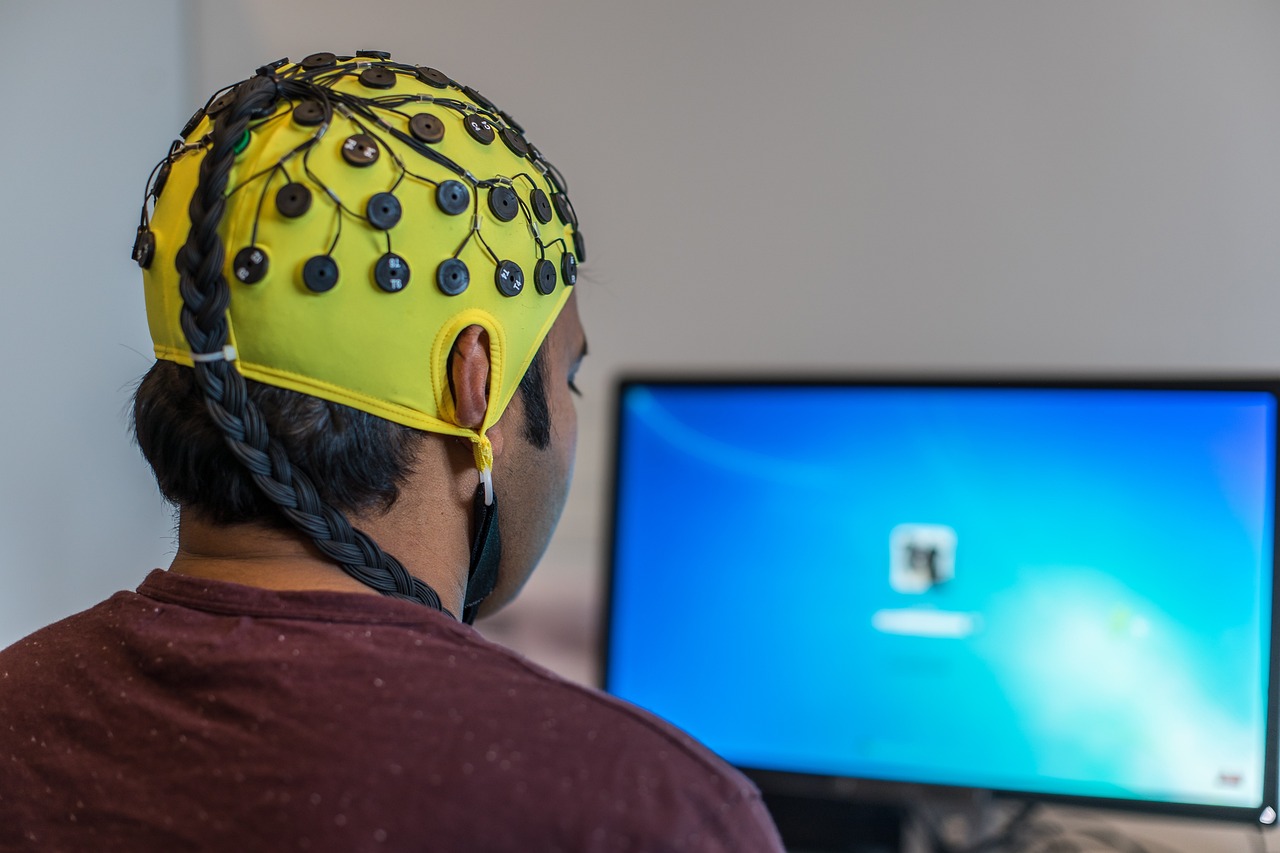
The intersection of neuroscience and behavioral psychology is a rapidly evolving field, particularly regarding habit formation. Recent advancements in neurofeedback have sparked interest as potential methodologies for facilitating sustainable habit change. Neurofeedback involves monitoring brain activity in real-time, providing the individual with immediate information about their brain function. This technique holds promise for rewiring neural pathways associated with habits, allowing for enhanced self-regulation and behavioral modification. Furthermore, research suggests that neurofeedback might help break negative habit loops. By consciously altering brain patterns, individuals may find it easier to detach from unwanted behaviors. Clinical studies are beginning to explore these relationships, leading to a growing body of evidence supporting the efficacy of neurofeedback as a tool for habit change. However, further investigation is required to consolidate these findings and create comprehensive frameworks. Future research avenues may include longitudinal studies that monitor outcomes over extended periods, securing a better understanding of the sustainability of habits altered through neurofeedback. As we delve deeper into the science of neurofeedback, crucial questions remain about the optimal protocols and long-term implications.
In addition to traditional approaches to habit formation, neurofeedback introduces an innovative framework for understanding and modifying behavioral patterns. The contribution of neurofeedback in habit change lies considerably in its ability to monitor conditions of the brain associated with specific behaviors. Through techniques such as electroencephalography (EEG), researchers can observe how individuals’ brain activity correlates with habitual actions. This connection between neural activity and behavior provides insightful feedback to users, which can catalyze positive changes. Notably, studies have shown that consistent neurofeedback training can lead to enhanced attention control and decreased levels of impulsivity. These traits are paramount when seeking to modify habits, particularly those driven by instant gratification. Neurofeedback could facilitate the development of patience and self-control, essential for establishing and maintaining healthy habits. Furthermore, as individuals engage in neurofeedback sessions, they may experience increased awareness of their thought processes. This introspection can be invaluable in recognizing triggers and motivations behind certain behaviors. While the neurofeedback-habit formation relationship is promising, it is critical to approach these findings with an understanding of individual variability in response and adaptability to such interventions.
Emerging research also indicates that neurofeedback may have applications in a variety of contexts beyond simply habit formation. For example, it may be useful in treating conditions like anxiety and depression, which often intertwine with detrimental habits. Neurofeedback could empower individuals with tools to cope more effectively, ultimately reducing maladaptive behaviors. As these fields continue to intertwine, the potential for neurofeedback as a holistic approach grows. By harnessing insights from both psychological and neurological perspectives, practitioners can better tailor interventions suited to individual needs. This amalgamation could lead to more effective treatment strategies, addressing not only habits but also the underlying psychological issues that may contribute to them. Nevertheless, researchers must proceed cautiously, ensuring that ethical considerations are front and center as neurofeedback gains traction. Personal privacy regarding brain data is paramount, and establishing stringent guidelines for its use is essential. Future studies should carefully evaluate informed consent protocols to protect individuals participating in neurofeedback programs. By doing so, researchers can fortify the credibility of this innovative technique within the scientific community.
Future Directions in Neurofeedback Research
As interest in neurofeedback expands, so too do the opportunities for its application in habit change and mental health interventions. Interdisciplinary collaboration is essential for stimulating advancements in this field, encouraging insights from neuroscientists, psychologists, and behavioral scientists alike. Furthermore, the inclusion of diverse populations in clinical trials can help establish generalized protocols tailored to various demographics. By assessing the efficacy of neurofeedback across different age groups and backgrounds, researchers can identify which individuals stand to benefit from these interventions most. Additionally, combining neurofeedback with other behavioral modification techniques could yield promising results. Cognitive Behavioral Therapy (CBT) and mindfulness practices may enhance the effectiveness of neurofeedback by providing supplementary frameworks for habit change. A multi-faceted approach allows individuals to address habits systematically while promoting self-awareness and coping skills. Researchers should focus on creating accessible neurofeedback training programs, ensuring individuals can utilize these methods in their daily routines. As technology advances, portable neurofeedback devices may pave the way for greater accessibility and personalization. Thus, the continued investigation and refinement of neurofeedback techniques could reshape future habit formation landscapes.
Additionally, the integration of virtual reality (VR) techniques into neurofeedback routines represents an exciting frontier. VR environments can create immersive experiences tailored to the user’s goals, reinforcing positive behaviors while simultaneously providing real-time feedback on physiological states. Such approaches could revolutionize how individuals engage with neurofeedback, offering enticing ways to practice new habits. By gamifying the process, people may become more inclined to sustain motivation and focus on desired outcomes. Furthermore, the potential for social reinforcement within these virtual environments may encourage communal participation, amplifying motivation and support. Researchers have begun examining these concepts, but substantial work remains to validate effectiveness and establish best practices. Understanding user experiences within VR settings is crucial for ensuring the sustainability of habit modifications. As neurofeedback techniques continue to converge with technological advances, the role of artificial intelligence (AI) may also be vital in creating adaptive training programs tailored to specific user profiles. Leveraging machine learning could enable systems to dynamically adjust input based on user performance, thus enhancing engagement. Therefore, the future of neurofeedback promises to be not only transformative for individual habit change but also an integral component of larger frameworks for personal development.
Moreover, the potential for neurofeedback extends beyond individual habit alteration and therapeutic contexts. Businesses and organizations are increasingly interested in applying these techniques within workplace environments to foster productivity and employee well-being. Programs designed to enhance focus, reduce stress, and improve overall cognitive function could create more engaged and motivated teams. Research has begun to explore the impact of neurofeedback on workplace dynamics, examining correlations between cognitive training and performance metrics. As employers seek innovative solutions for enhancing employee engagment, neurofeedback may offer an efficient pathway to cultivating a thriving workplace culture. However, the implementation of neurofeedback within professional settings raises several considerations. Ethical practices in data management and employee consent must be prioritized. Transparent communication regarding the potential benefits and limitations of neurofeedback programs will be critical in establishing trust. Additionally, ongoing evaluations of these programs’ efficacy will be essential to ensure they meet workplace needs effectively. By integrating neurofeedback into professionals’ daily routines, organizations can harness neuroscience’s potential to bolster resilience, creativity, and overall employee satisfaction.
In conclusion, the exploration of neurofeedback as a means for habit change is an exciting area of scientific research. Emerging studies highlight its effectiveness in promoting self-regulation and behavioral modification through neural pathway adjustments. As the body of evidence grows, further inquiries will enhance our understanding of neurofeedback’s place within habit formation frameworks. This shifts our perspective on addressing habits, placing emphasis on the neurobiological mechanisms underpinning behaviors. While challenges remain, such as individual variability and ethical considerations, future advancements hold substantial promise for innovative applications in diverse contexts. From mental health interventions to workplace productivity, the potential for neurofeedback to reshape habit formation is considerable. By cultivating multidisciplinary collaborations and engaging with emerging technologies, researchers and practitioners can forge new pathways for effective habit change. The journey towards a more profound understanding of human behavior and habits continues, promising exciting developments in the years to come. For those interested in this dynamic field, staying abreast of research updates will furnish insights into how neurofeedback can transform habits and drive personal and professional growth.
In summary, neurofeedback holds significant potential for promoting habit change and enhancing overall well-being. Continued research is essential in establishing evidence-based protocols that practitioners can reliably implement. As our understanding of neurofeedback evolves, we may be closer to unlocking one of the keys to healthier living through this innovative approach.