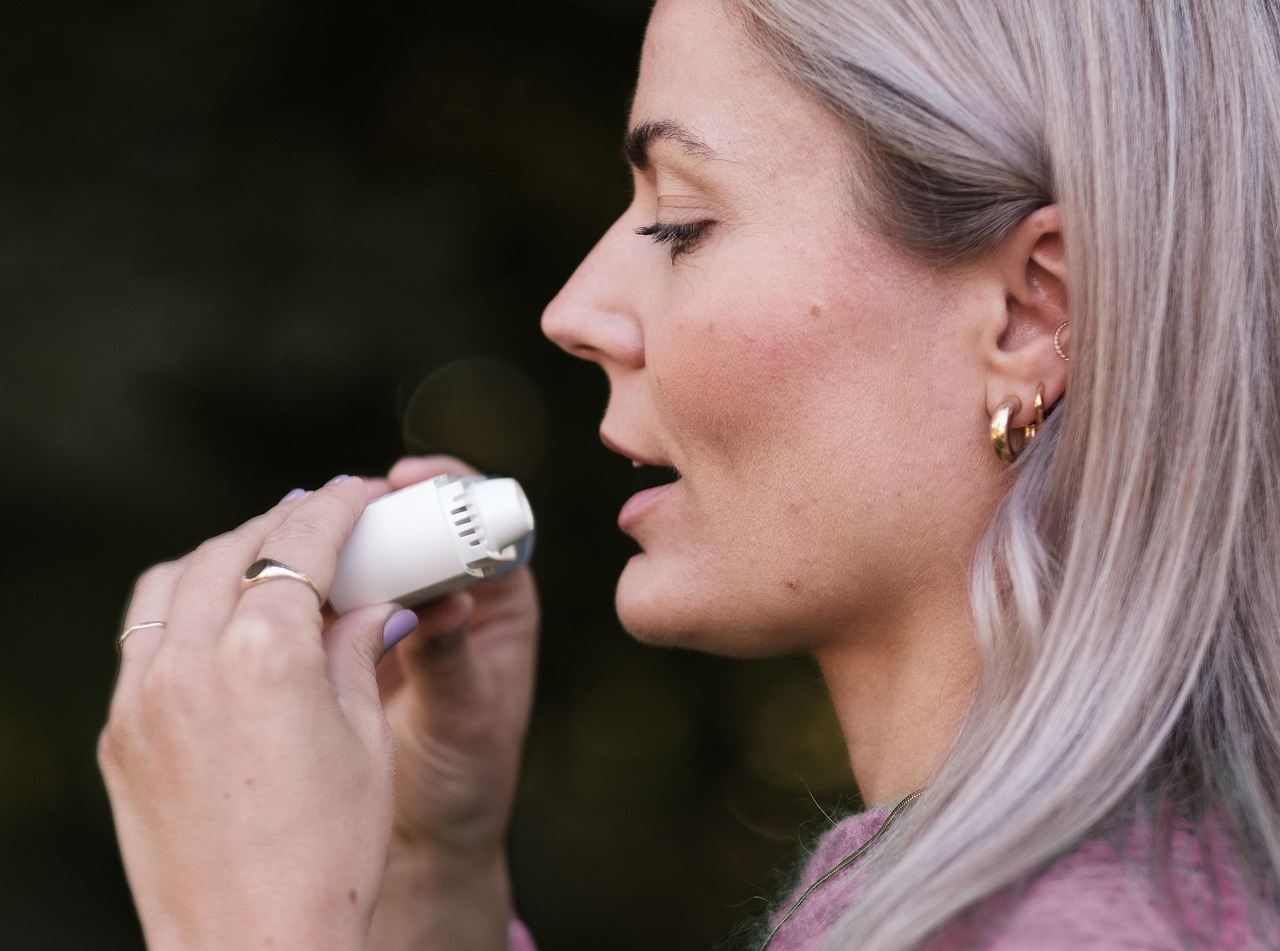

Fitness and Chronic Obstructive Pulmonary Disease: Innovative Research Approaches
Chronic obstructive pulmonary disease (COPD) represents a significant health concern affecting millions worldwide. Recent advances in research have highlighted the critical role of fitness interventions in improving the quality of life for COPD patients. Studies indicate that regular exercise can yield substantial benefits, including enhanced lung function and reduced breathlessness. Innovative approaches are emerging, focusing on tailored exercise regimens that cater to individual patient capabilities and limitations. Furthermore, the integration of technology, such as wearable fitness trackers, allows for personalized monitoring and motivation. Researchers are exploring various exercise formats, including aerobic activities, resistance training, and flexibility exercises. Early findings suggest that incorporating these elements leads to better adherence and outcomes. It is essential to continue exploring diverse fitness methodologies to uncover optimal strategies for managing COPD symptoms effectively. Collaboration among healthcare professionals, researchers, and patients is crucial to advance these innovations. Furthermore, understanding the psychological impact of chronic illness can inform the development of interventions that promote not only physical but also mental well-being. Overall, innovative fitness research represents a vital frontier for addressing the challenges faced by those with COPD.
As innovation in fitness research progresses, scientists are delving into the effects of specific exercise modalities on individuals with chronic obstructive pulmonary disease. High-intensity interval training (HIIT) has emerged as a compelling approach. Preliminary studies suggest that HIIT can enhance improvements in endurance and overall fitness compared to traditional steady-state exercises. Consequently, facilitating significant gains in lung function and stamina appears achievable with strategic programming. Optimizing exercise duration, intensity, and frequency can maximize benefits while ensuring safety for patients. Innovations also include the utilization of virtual reality (VR) in exercise programs. VR applications can create engaging, immersive environments encouraging patients to participate actively. By merging technology with fitness, healthcare providers can foster motivation and adherence in individuals who might struggle with conventional regimens. Additionally, researchers are examining the social dynamics of group exercise settings versus solitary activities. Social support from peers can enhance motivation and create an encouraging atmosphere fostering commitment. Exploring these social aspects alongside physical interventions can yield comprehensive strategies for improving outcomes in people with COPD. Continuous evaluation of these innovative approaches will be critical in advancing our understanding of effective fitness applications.
The Importance of Personalized Fitness Regimens
Personalization in fitness regimens is becoming increasingly crucial in managing chronic obstructive pulmonary disease. Each patient experiences unique challenges and varies in symptoms, making tailored exercise plans essential. Research has demonstrated that one-size-fits-all approaches may not yield optimal results. Customized programs consider a patient’s specific fitness level, preferences, and medical conditions. This personalized approach helps in setting achievable goals and fosters motivation. Moreover, the use of technology is reshaping personalized fitness interventions. Wearable devices can track users’ progress in real time, providing insights that facilitate program adjustments. These devices can account for factors such as heart rate and oxygen levels, ensuring that exercises remain within safe parameters. Fitness professionals, therefore, can design regimens that adapt as patients progress. Additionally, educating patients about the role of fitness in their overall treatment plan is vital. Improving patient knowledge empowers them to take responsibility for their health journey, leading to enhanced participation and outcomes. As research continues to explore personalized fitness interventions, future studies must prioritize understanding individual preferences to enhance adherence. Ultimately, integrating personalized strategies promises to positively impact chronic disease management.
Research into the efficacy of community-based fitness programs has identified exciting opportunities for enhancing outcomes for individuals with chronic obstructive pulmonary disease. These initiatives capitalize on the communal aspect of exercise, encouraging participation through social interactions. Group settings provide emotional support that can be instrumental in adherence and motivation. Recent studies reveal that patients participating in structured community programs exhibit improved lung function and exercise capacity compared to those who exercise alone. Networking opportunities within these programs also help participants share experiences and coping strategies. Furthermore, access to trained fitness professionals within community-based settings enhances safety and promotes healthy practices. Innovations include tailored group sessions catering to varying levels of fitness, allowing inclusivity for all participants. Enhanced program visibility and outreach efforts are necessary to engage wider populations living with COPD. Building awareness around community fitness opportunities can facilitate proactive health management in patients suffering from chronic conditions. Ultimately, these programs can foster a sense of community ownership of health challenges. By emphasizing social connections, healthcare providers can boost engagement, leading to improved patient outcomes through innovative community-based fitness interventions.
Emerging Technologies in Fitness Research
Emerging technologies are transforming fitness research and its application within chronic obstructive pulmonary disease management. Mobile health applications are revolutionizing how patients interact with their fitness routines, providing constant access to exercise guidance and data tracking. Users can monitor their performance as they strive to meet personal goals while receiving real-time feedback on their physical activity levels. This continuous interaction creates a greater sense of accountability and motivates users to stay active. Additionally, telehealth options are evolving to support virtual fitness coaching for COPD patients. Distanced yet connected, health professionals can provide tailored fitness instructions regardless of location. These remote services address barriers to accessing in-person physiotherapy and exercise sessions. Peer support through online forums and groups is also gaining traction, allowing individuals to connect with others facing similar challenges. Ultimately, innovation in technologies empowers patients by offering flexible options to support their fitness journeys effectively. As further research explores best practices and optimal models for utilizing new technologies, the potential to improve compliance and health outcomes grows significantly. This ongoing evolution underscores the alignment of technology with patient-centric fitness interventions in chronic disease management.
Understanding the impact of mental health on chronic obstructive pulmonary disease effectively combines fitness and psychological research. Recent studies have shown that patients referred to exercise programs report significant reductions in anxiety and depression levels. Exercise offers rehabilitative benefits while simultaneously providing a powerful outlet for stress relief. By recognizing that mental health is an integral part of physical wellness, researchers are pushing for integrative approaches. Incorporating mental health assessments into fitness interventions allows practitioners to holistically address patient needs. Strategies include integrating mindfulness practices within exercise routines and promoting social engagement to mitigate feelings of isolation. Furthermore, addressing psychological barriers to exercise, such as fear of breathlessness, is critical for fostering adherence among COPD patients. Informed treatment plans designed around these psychological insights can yield more robust outcomes. Overall, the combination of fitness and mental wellness in managing chronic illnesses showcases the interconnectedness of physical and emotional health. Future research efforts must prioritize this intersection to maximize the effectiveness of fitness interventions. Ultimately, making mental health part of the dialogue enriches the overall approach to chronic disease management.
Future Directions in Fitness and COPD Research
As scientists and healthcare professionals continue to unravel the complexities of chronic obstructive pulmonary disease, future research directions are set to explore innovative intersections within fitness interventions. Prioritizing collaborative multidisciplinary approaches can tremendously enhance research efficacy, targeting both the physical and psychological dimensions of patient care. Further studies examining the long-term benefits of diverse exercise modalities among diverse populations are crucial. It is equally imperative to investigate potential barriers and facilitators influencing participation in fitness programs. Engaging with patients to identify these factors will refine future research designs and interventions. Additionally, leveraging new technologies can fuel fresh perspectives on how fitness affects COPD management. Incorporating big data analytics will enable researchers to derive insights from large patient datasets, further refining best practices. This approach promises to contribute to the establishment of evidence-based guidelines tailored to individual patient needs. Furthermore, understanding how environmental factors contribute to COPD exacerbation underscores the need for integrated fitness applications adjusted to specific contexts. Overall, innovation in fitness research for chronic diseases creates vast avenues for exploration that inspire improvements in patient care strategies. The future of fitness and COPD research holds immense promise for transforming management practices.
In conclusion, the combination of innovative research approaches to fitness and chronic obstructive pulmonary disease has the potential to redefine patient management. Through personalized regimens, technology integration, community involvement, and psychological insights, fitness interventions can transform the lives of those affected by COPD. Research continues to demonstrate the importance of treating chronic diseases with a multifaceted lens, ensuring that physical, emotional, and social aspects are interconnected. Such an understanding not only enhances exercise adherence but also improves overall patient outcomes. Furthermore, ongoing advancements in research will continue to unveil innovative models that facilitate health management strategies. The collaboration among healthcare providers, researchers, and patients is pivotal to future successes. Engaging patients in their fitness journey fosters empowerment and ownership of health procedures. This collaborative approach creates a supportive environment where individuals can thrive despite chronic conditions. Moving forward, the commitment to exploring these innovative research directions will be crucial. Ultimately, the continuous evolution of fitness interventions reflects a paradigm shift towards holistic chronic disease management, where every aspect of health is prioritized. The future is bright for innovative fitness research in chronic obstructive pulmonary disease.