
Overcoming Common Challenges in Outdoor Fitness Competitions
Outdoor fitness competitions are rewarding, but participants often face unique challenges. Weather conditions can dramatically affect the outcome of events. Rain can lead to slippery surfaces, while extreme heat can cause dehydration. It’s essential to prepare for these elements by monitoring weather forecasts and bringing necessary gear. Participants should dress in layers for warmth and choose breathable fabrics to stay cool. Hydration stations should be readily available, allowing competitors to replenish fluids. Also, mental preparation is crucial, as competitors should visualize success, keep a positive attitude, and bolster their motivation before competing. Past experiences should also be analyzed for improvement. Always check equipment beforehand. For instance, testing running shoes ensures they’re in good condition. Others might struggle with course navigation if the path isn’t marked well. Walking the course beforehand allows participants to familiarize themselves with challenging sections. Additionally, logistical issues like transportation to the location must be planned out. Bring enough energy foods to sustain you during and after, which can keep endurance up. Competitions can be daunting but facing these challenges strengthens the resolve and capability of outdoor athletes and fosters a community of support and camaraderie.
One significant hurdle in outdoor fitness competitions is the unpredictability of injuries. Participants can suffer abrasions, sprains, or even more severe injuries during events. A proactive approach to injury prevention is essential. Warming up before the event is fundamental; dynamic stretching can help loosen up muscles and enhance performance. Participants may also consider physical therapy or strength training as part of their preparation regimen to build resilience against injuries. Wearing the right footwear can make all the difference, providing impact support during varied terrains. Nutrition also plays a vital role; consuming foods rich in vitamins can aid muscle recovery and build strength. If an injury occurs, understanding first aid can mitigate the situation. Knowing basic recovery techniques—like ice application and elevation—can lessen the severity of an injury, allowing a quicker return to training. During a competition, it’s vital to listen to one’s body; if pain occurs, rest should take priority over pushing through. Setting realistic goals also helps minimize excessive pressure to perform. Balancing training and recovery will ultimately lead to better performance in future events. Lastly, seeking advice from experienced athletes can provide valuable insights on handling unexpected challenges during competitions.
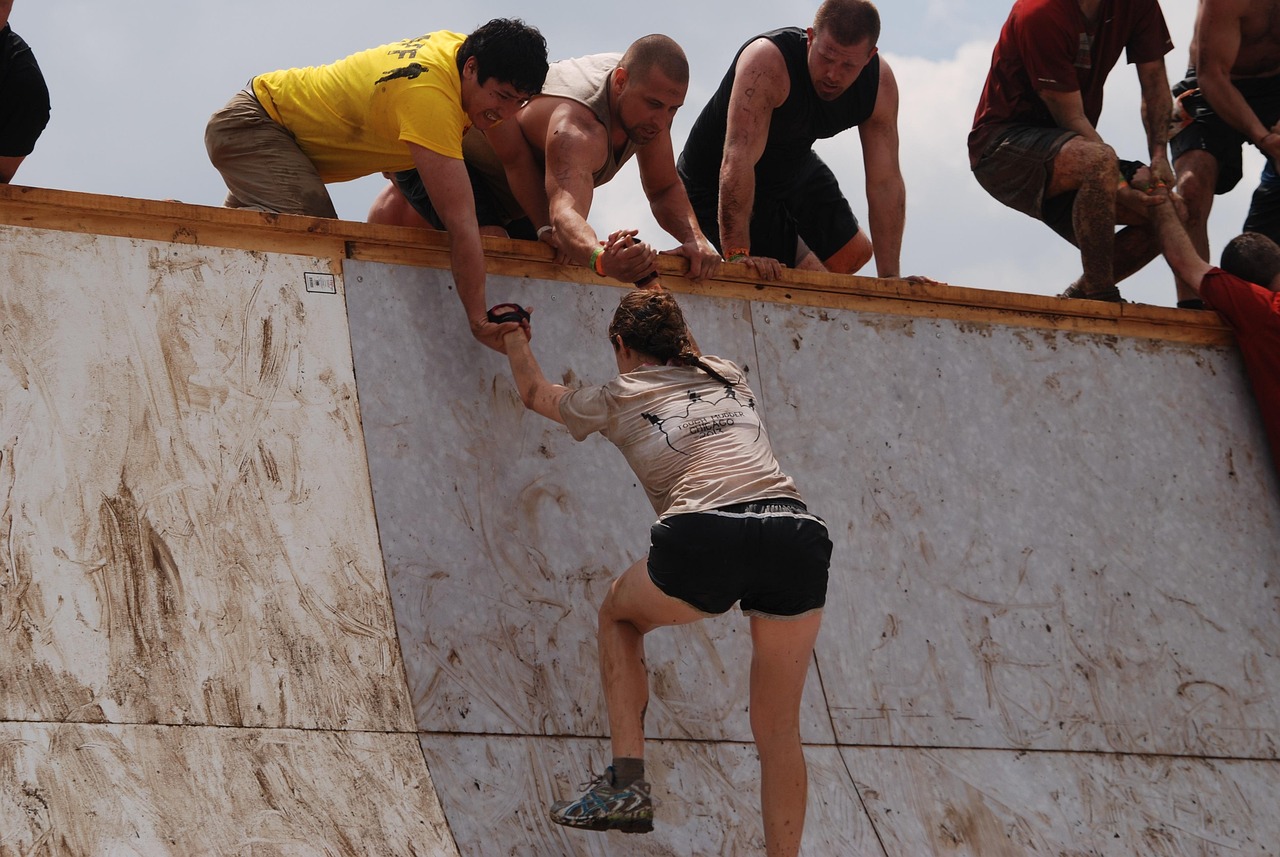
Logistics also come into play, as navigating through the competition venue can be challenging. Unfamiliar terrains pose risks as well, leading to potential delays in scheduled events. Preparation is vital; knowing the layout helps participants strategize their pacing throughout the course. An effective method for course orientation is to arrive early, allowing time to explore key points such as water stations. Furthermore, equipping oneself with navigational tools, like apps or maps, enhances orientation. Additionally, managing time on the day of the event is crucial; allowing time for check-in and warm-ups can be crucial. Athletes should also consider transportation challenges, such as parking and public transport availability, to avoid unnecessary stress. A clear plan should be established for event day routines. Bring essential supplies like food for energy, water, and gear for varied weather. Creating a checklist can simplify the packing process and ensure no essential item is forgotten. Connecting with fellow competitors can offer moral support and shared experiences, making the overall event more enjoyable. The camaraderie observed throughout events can help alleviate logistical stress, as participating in competitions often fosters a community spirit. Competitors help each other, making logistics less of a burden and more of a shared challenge.
Nutrition and Fueling for Success
Proper nutrition significantly impacts performance in outdoor fitness competitions. Without proper fueling, participants may crash before completing the event. Planning nutrition before the competition is essential; focus on balanced meals that include carbohydrates for energy and proteins for muscle repair. On competition day, consider light meals to avoid discomfort during high-intensity activity. Easily digestible foods like bananas, energy bars, or smoothies are ideal pre-competition options. However, cautious eating is essential to prevent stomach issues. Additionally, plan hydration carefully, ensuring that you’re adequately hydrated before the event starts. During the competition, energy gels can serve as quick fuel sources, contributing to sustained performance. Understanding one’s body is critical; each individual reacts differently to various foods. Testing different fueling strategies during training sessions is vital to determine what works best. Post-competition nutrition shouldn’t be neglected; consuming a protein-rich meal afterward aids recovery. Listening to feedback from body reactions during and after events can guide future nutrition strategies. Proper nutrition before, during, and after competition leads to numerous benefits, enhancing performance levels and general well-being in outdoor fitness challenges, supporting participants as they push limits and achieve personal goals.
Another challenge in outdoor fitness competitions is maintaining motivation and focus throughout the event. Participants often grapple with fatigue during competitive settings, resulting in lapses of concentration. Setting clear goals before beginning—the type of goals, whether related to time, distance, or personal satisfaction—can help drive keeps spirits high. Breaking down the event into smaller segments also helps maintain motivation during the competition. This approach allows competitors to celebrate small achievements, keeping them engaged throughout the challenge. Practicing mental fortitude comes into play when faced with fatigue or challenging conditions; positive self-talk and visualization techniques can enhance mindset. It’s crucial to develop coping strategies for discomfort or fluctuating performance levels. Competitors should remind themselves why they started while leaning on their training experiences. Creating a supportive atmosphere among participants can foster motivation and friendly rivalry. Surrounding oneself with encouraging peers can fuel the desire to perform better. Moreover, participating in community challenges strengthens ties and helps dire situations feel more manageable. Encouragement creates an atmosphere where everyone thrives despite the difficulties faced during outdoor events. Engaging fully with teammates fosters a strong collective spirit, allowing competitors to share both motivation and experiences.
Adapting to Environmental Factors
Environmental factors like terrain, temperature, and moisture levels heavily influence performance in outdoor competitions. Each element can drastically change how participants engage with the event. It’s crucial to practice adaptability; athletes should familiarize themselves with the typical conditions of the area where the competition occurs. Training in similar environmental conditions prepares the body for what to expect. For example, running in the heat regularly can help one acclimate. Awareness of personal body responses to temperature changes can refine strategies. Having contingency plans for harsh terrain, like varying surface types, can ensure competitors are not caught off guard. Choosing appropriate footwear according to environmental conditions, such as trail shoes for rugged paths, is vital for safety and performance. In addition, being aware of hydration needs can change based on temperature and conditions; it’s essential to supply fluids adequately. Volunteers and organization representatives can offer a wealth of information about adjusting performance expectations to align with environmental factors. Assessing conditions and responding accordingly can help competitors achieve success by fostering resilience and adaptation, embracing the unforeseen nature of outdoor challenges.
Finally, safety remains a fundamental challenge in outdoor fitness competitions. The unpredictable nature of outdoor events can introduce hazards like uneven surfaces, wildlife encounters, or sudden weather changes. Participants are encouraged to prioritize personal safety, which should start with proper equipment checks. Wearing appropriate safety gear, such as helmets for biking events, can mitigate injury risks. Knowledge of first aid basics is essential; preparation can make a critical difference in emergencies. Participants should also communicate their planned path with someone, ensuring someone is aware in the event of an emergency. Staying aware of surroundings is crucial—competitors must focus on their environment. Caution should prevail over competitiveness in challenging areas. Maintaining focus minimizes accident risks amidst adrenaline-driven moments. Engaging in pre-competition briefings often provides vital safety insights from organizers. Weather updates are crucial; competitors must heed advice regarding extreme conditions. Remember that taking care of oneself enhances not only personal safety but contributes to the overall safety of the team and participants in outdoor events. Ultimately, safety is a collective responsibility, where everyone plays a role in creating a secure experience during outdoor fitness competitions, paving the path for memorable, fulfilling moments.