
Eating Disorders and the Pressure of Social Media Perfection
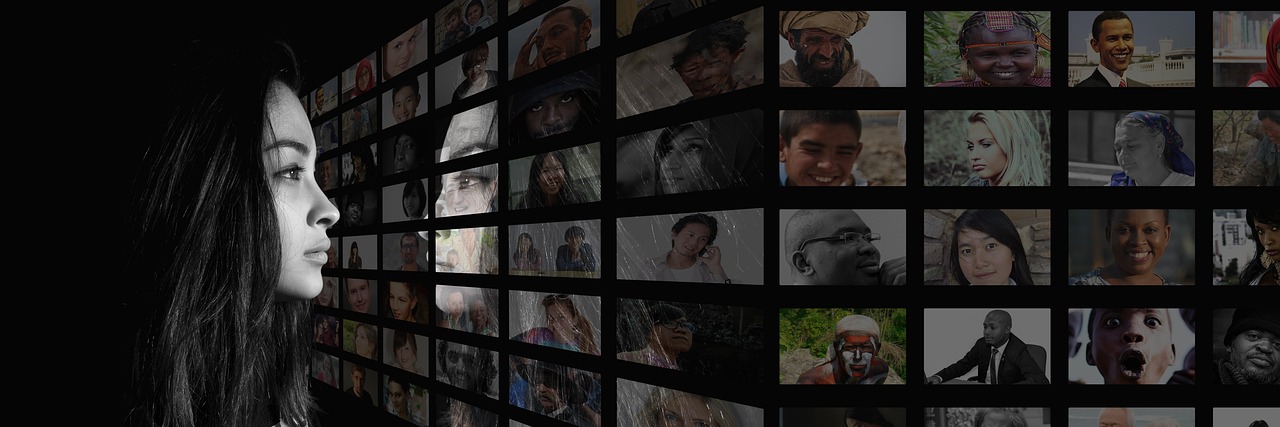
In recent years, social media has revolutionized how people interact and share their lives. However, this new digital environment has also cultivated an unsettling pressure, especially regarding body image. This pressure manifests significantly among young adults and teenagers, who frequently feel compelled to curate a life that aligns with unrealistic standards. The portrayal of idealized bodies on platforms like Instagram and TikTok fosters a culture in which individuals often compare themselves to others. This relentless cycle can lead to feelings of inadequacy and low self-esteem. As these individuals scroll through their feeds, they may encounter tantalizing images of what they perceive as perfection. A deeper understanding of these platforms’ impact reveals how they can intensify existing insecurities. When troubled by these comparisons, many people may resort to unhealthy behaviors in pursuit of an unattainable ideal. By recognizing the powerful influence of social media, we can address its association with eating disorders. Discussions centered on mental health awareness are vital to facilitating healthier interactions within these platforms and encouraging a focus on body positivity and self-acceptance.
The connection between social media and eating disorders is a growing area of concern for mental health professionals. Trends may emerge that glorify restrictive diets, excessive exercise, and harmful lifestyle choices. Often, individuals become absorbed in popular content that promotes unrealistic body standards without understanding the long-term consequences. They may follow influencers who advocate for harmful practices, unknowingly contributing to a detrimental cycle of disordered eating behaviors. In fact, research indicates that prolonged exposure to idealized images can increase dissatisfaction with one’s body. This dissatisfaction can lead individuals to develop harmful coping mechanisms, such as binge eating or purging. Moreover, social media provides a platform for the emergence of specific communities that can normalize harmful behaviors, further complicating recovery efforts. It is essential for caregivers, educators, and society to engage in open conversations about these issues. Awareness campaigns focusing on media literacy can empower the younger generation to critically analyze content. By fostering an understanding of the impact social media can have, individuals can mitigate its risks and make informed choices about their well-being.
The Role of Influencers in Shaping Self-Image
Influencers wield significant power in shaping perceptions of body image within social media. Many influencers promote products, trends, or lifestyles that are often unattainable to the average individual. This promotion can create a false sense of what is desirable, leading followers to obsess over achieving those ideals. Some influencers even edit their images extensively, presenting a reality that does not exist. These manipulated portrayals create a distorted view of beauty and an unrealistic standard. Young individuals might compare their everyday lives to the highlight reels of influencers without realizing the filtered nature of what they see. Such comparisons can deepen feelings of dissatisfaction and unworthiness. By scrutinizing the content shared by influencers, individuals can start to recognize curated perfection when they see it and understand that these portrayals are not reflective of reality. Awareness can foster resilience against the negative implications of social media. It encourages young people to appreciate their bodies as they are rather than as a media construct. By promoting diverse representations of beauty, we can advocate acceptance and encourage a more realistic dialogue around body image.
To combat the pressures of social media perfection, it is essential to foster an environment centered on authenticity. Promoting genuine discussions about body image and self-worth can help counter the pervasive negativity found online. Individuals should feel encouraged to share their stories of struggles and triumphs in relation to body image and eating disorders. This approach can create a community that supports empowerment rather than comparison and competition. Additionally, platforms can implement measures to encourage body positivity and mental health awareness. Initiatives that highlight diverse body types and represent reality are vital to shifting societal expectations. By encouraging influencer partnerships with mental health advocates, brands can contribute positively. Collaborated efforts can create educational content focused on health and well-being instead of solely aesthetic values. It’s also critical to educate users about media literacy, helping them discern between reality and curated representations. By understanding the intent behind social media content, users can navigate their experiences more effectively. In a world obsessed with filters, embracing authenticity can profoundly affect collective mental health.
Addressing the Consequences of Social Media
The consequences of social media on mental health are profound and multifaceted. Recent studies have linked increased social media usage with higher rates of anxiety, depression, and eating disorders among adolescents. When individuals constantly engage with idealized representations, they are susceptible to comparison, often leading to dissatisfaction with their own bodies. This dissatisfaction can initiate a dangerous cycle where they attempt to alter their bodies through unhealthy means. For some, social media fosters an environment where perfection is not just aspired to, but expected. Awareness of this cycle is the first step toward combating its harmful effects. Treatment programs for eating disorders increasingly incorporate discussions about social media influence as part of their recovery strategies. Therapists may encourage clients to limit their social media exposure and analyze the content they consume. By acknowledging and addressing these pressures, individuals can take proactive steps toward healing. Furthermore, parents and caregivers play a critical role in guiding young users through this digital landscape. By encouraging open dialogue about online content and feelings, they can help foster healthier relationships with social media.
Engagement with social media is unlikely to diminish significantly. Therefore, strategies to manage its negative effects are essential. Establishing boundaries around social media usage can be beneficial for mental health. Individuals should consider allocating specific times for social media interaction instead of continuously consuming content throughout the day. Additionally, curating a positive online environment by following accounts that inspire rather than provoke comparison is essential. Users should consciously choose to engage with content that promotes body positivity and inclusivity, rather than those that instill feelings of inadequacy. Digital detoxes, where individuals take breaks from social media, can also provide relief from the overwhelming pressure. Encouraging friends and family to participate in these detoxes can promote shared experiences and support recovery. Lastly, integrating mindfulness practices can empower individuals to combat negative thoughts and feelings associated with social media. Techniques such as meditation, journaling, or yoga can cultivate self-acceptance and improve overall well-being. As we navigate a world dominated by social media, these practices help cultivate healthier perspectives on body image.
Conclusion: The Path Toward Healing
Ultimately, the path toward healing and self-acceptance begins with awareness and education. Recognizing the detrimental effects of social media on body image is crucial for addressing the struggles many face regarding eating disorders. By fostering healthy relationships with social media, individuals can create a more balanced approach to their online interactions. Emphasizing resilience and self-love over societal standards empowers individuals to write their narratives. Communities play a vital role in promoting positive changes, encouraging collaborations that prioritize mental well-being and compassion. As we strive to address the pressures associated with social media perfection, it is essential to advocate for supportive environments that celebrate authenticity. Increased representation of diverse body types and narratives can transform social media into a positive space for growth. By sharing stories of recovery and strength, we collectively challenge unrealistic standards. Recovery from eating disorders is possible, and individuals should never feel alone in their journey. Together, we can cultivate a culture that values mental health, embraces diversity, and nurtures self-acceptance, creating a brighter future for all.
Engagement with social media is unlikely to diminish significantly. Therefore, strategies to manage its negative effects are essential. Establishing boundaries around social media usage can be beneficial for mental health. Individuals should consider allocating specific times for social media interaction instead of continuously consuming content throughout the day. Additionally, curating a positive online environment by following accounts that inspire rather than provoke comparison is essential. Users should consciously choose to engage with content that promotes body positivity and inclusivity, rather than those that instill feelings of inadequacy. Digital detoxes, where individuals take breaks from social media, can also provide relief from the overwhelming pressure. Encouraging friends and family to participate in these detoxes can promote shared experiences and support recovery. Lastly, integrating mindfulness practices can empower individuals to combat negative thoughts and feelings associated with social media. Techniques such as meditation, journaling, or yoga can cultivate self-acceptance and improve overall well-being. As we navigate a world dominated by social media, these practices help cultivate healthier perspectives on body image.