
Guided Breathwork Sessions for Anxiety Relief at Home
Breathwork primarily involves conscious control of the breath to promote overall wellness and emotional relief. In the context of reducing anxiety, guided breathwork sessions become incredibly effective tools. By focusing on your breathing patterns, you can cultivate a deep sense of relaxation, which counteracts anxiety’s symptoms. The practice involves various techniques that enable individuals to calm their minds and balance their emotions. One effective method is abdominal breathing, where you deepen each breath by engaging the diaphragm. This technique allows more oxygen into your lungs, alleviating tension and providing a sense of peace. Another useful approach is the 4-7-8 breathing method, where you inhale for four seconds, hold for seven, and exhale for eight. This rhythmic pattern shifts your body into a state of calm and encourages stress relief. Incorporating these techniques into your daily routine can significantly help individuals manage their anxiety, making them feel more in control and grounded. Regardless of the technique used, consistency is crucial for effective anxiety management. Committing to regular sessions of breathwork assists in retraining your response to stress.
Benefits of Breathwork for Anxiety
Understanding the benefits of breathwork is essential for those looking to alleviate anxiety. Firstly, breathwork promotes immediate calm and relaxation. When you consciously focus on your breath, it activates a relaxation response within your body, resulting in reduced heart rates and lower blood pressure. This biological change fosters a sense of safety and comfort during anxious moments. Second, breathwork enhances self-awareness, which is vital for anxiety management. By tuning into your breath, you become more attuned to your body’s signals, allowing you to recognize early signs of anxiety. This proactive approach equips you with the tools to implement your techniques before anxiety escalates into a crisis. Additionally, breathwork can improve your focus and concentration. By practicing breathing exercises, you train your mind to remain present, helping to eliminate distractions often associated with anxious thoughts. Lastly, breathwork increases resilience. Regular practice strengthens your emotional responses, enabling you to handle stressful situations more effectively. Through these combined benefits, breathwork is a powerful ally in the continuous journey of anxiety management, providing individuals with the strength to navigate daily challenges and uncertainties.
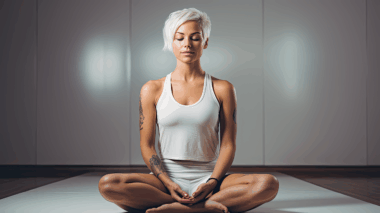
To maximize the effectiveness of breathwork, it’s crucial to create a suitable environment for practice. Designating a peaceful space in your home helps signal your mind and body that it’s time to relax. Begin by finding a comfortable seating position or lying down flat on your back. It’s recommended to choose a location with minimal distractions; soft lighting and comfortable clothing can significantly enhance the experience. Consider adding calming elements, such as essential oils or gentle music, to promote further relaxation. Establishing a routine can improve the effectiveness of your breathwork sessions. Try engaging in breath-focused activities at the same time every day, thereby reinforcing this positive habit. Morning sessions can energize you for the day and set a peaceful tone. Alternatively, evening sessions can help unwind after a long day. Keeping a journal to track your progress and experiences will provide useful insights into your emotional responses. Over time, you’ll notice patterns, allowing you to tailor your breathwork practice to your unique needs, ultimately leading to sustained anxiety relief. Taking these steps contributes positively to your overall mental health and well-being.
Simple Breathwork Techniques
Here are a few simple techniques you can practice at home to manage anxiety effectively. One of the most straightforward methods is the Box Breathing technique. This involves inhaling for four counts, holding for four, exhaling for four, and then pausing for another four counts. This structured approach not only calms the mind but requires focus on breathing rhythm. Another effective technique is the 5-5-5 breathing routine. In this method, inhale for five counts, hold the breath for five counts, then slowly exhale over five counts. This steady pattern helps reduce stress levels. Consider Progressive Muscle Relaxation alongside breathwork; while inhaling deeply, tense specific muscle groups and relax them as you exhale. This combination enhances relaxation and eliminates physical tension, making it an extraordinary tool for anxious moments. Further, you might want to experiment with guided breathing apps, which offer instructions and ambient sounds that can enrich your practice. Overall, these techniques provide various options to suit individual preferences, ensuring consistent breathwork practice and effective anxiety management.
The impact of guided breathwork on mental health cannot be overstated. Engaging in breathwork allows individuals to reconnect with their bodies and emotions, fostering a profound sense of self-acceptance and love. As you master these techniques, you also enhance your ability to navigate anxiety-provoking situations. Furthermore, breathwork exercises can act as valuable tools during anxiety attacks, offering immediate relief when needed most. In addition to emotional benefits, breathwork positively influences your physical health. Improved lung function, increased oxygenation of your body, and enhanced circulatory health all stem from regular practice. When your body feels well, your mind often follows suit, creating a positivity loop that reduces anxiety even further. Additionally, breathwork offers a wonderful opportunity to practice mindfulness. As you focus on your breath, you center your thoughts, eliminating mental clutter, allowing clarity of thought to emerge. This dedication to mental clarity supports further emotional regulation and resilience. Understanding this holistic approach to mental health is crucial as you navigate your journey toward healing and anxiety relief. Consistent practice creates layers of positive changes, promoting a lasting and empowering transformation.
Creating a Breathwork Routine
Establishing a breathwork routine is vital for accomplishing lasting anxiety relief. Start by determining the time of day that works best for you, whether morning, midday, or evening. Consider your daily schedule; find pockets of time when you can engage in regular practice without interruptions. Aim for sessions that fit comfortably within your routine, perhaps beginning with just five to ten minutes daily. Over time, you can gradually increase the duration as you become more comfortable. It can also be highly beneficial to join online groups or local classes to share experiences and ensure accountability. This shared environment creates motivation and encourages consistency. As you build your routine, pay attention to how your body and mind respond. Tracking progress through journaling can help highlight improvements and challenges you face along the way. Exploring various techniques during your sessions can also unveil what works best for you. Ultimately, cultivating a personalized approach to breathwork can deepen your connection with yourself and promote lasting anxiety relief. Through persistent commitment, you’ll find empowerment and confidence in navigating life’s rollercoaster journey.
In conclusion, guided breathwork sessions provide incredible tools for anxiety relief. With the right approach, commitment, and understanding of diverse techniques, individuals can create effective practices in their homes. From abdominal breathing to structured routines like Box Breathing, the possibilities are endless, allowing everyone to find what resonates best with them. Embracing breathwork nurtures mental resilience, allowing individuals to manage their anxiety more effectively. As they navigate their journey, participants will foster enhanced self-awareness and emotional regulation, which contribute to overall well-being. It’s essential to approach breathwork as part of a holistic strategy for mental health. Incorporate additional self-care practices, such as yoga or journaling, to further enhance the benefits of breathwork. Ultimately, the goal is to empower individuals to reclaim their emotional health. By investing time in breathwork at home, you invite peace into your life, improving your interactions with others and enhancing daily experiences. You can embrace your breath and its potential to transform your mental health journey, allowing anxiety to fade and tranquility to prosper.