
The Role of Core Strength in Static Balance
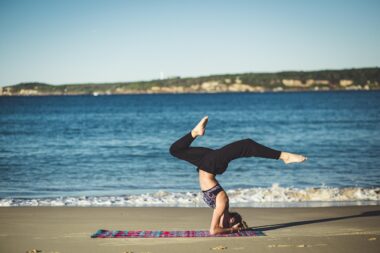
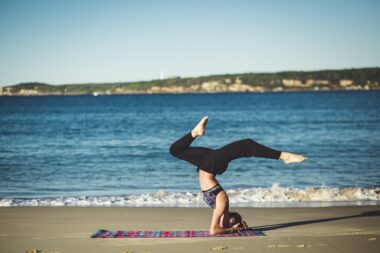
Static balance exercises are crucial for enhancing overall stability and preventing falls. A significant aspect of static balance is core strength, which plays an essential role in maintaining a stable body position. The core consists of various muscles that work in coordination to support the spine and pelvis. When the core is strong, it improves balance by offering the necessary support to manage the body’s weight effectively. Engaging in static balance exercises can help develop this strength. Examples include standing on one leg or practicing yoga poses like the tree pose. Both exercises challenge the balance system, meaning they help activate the core muscles. The importance of core strength cannot be emphasized enough since it contributes to proper posture and alignment. Improved static balance through stronger core muscles can lead to enhanced athletic performance and daily activities. As a result, individuals become less prone to injuries during both dynamic movements and static positions. Therefore, incorporating core strengthening activities can create a strong foundation for superior static balance and overall physical health.
Moreover, static balance exercises are not limited to professional athletes; they are beneficial for everyone from beginners to seasoned fitness enthusiasts. Different static balance routines can be easily adapted to meet an individual’s capacity. By progressively increasing the challenge, individuals can experience continuous improvement. For instance, one can start by performing basic exercises like standing still on one leg, then progress to more complex variations that incorporate moving arms or closing the eyes. This progression challenges the body in diverse ways while developing both balance and core strength. It’s important to remember that consistency is key to mastering static balance. Practicing regularly enhances neural pathways that improve muscle coordination, leading to better results over time. Additionally, performing these exercises mindfully helps individuals engage their core more effectively. As the body becomes accustomed to these new movements, those practicing static balance routines often discover improved functional fitness in their daily lives. Everyday activities, such as reaching for an item or walking on uneven surfaces, can become easier with enhanced static balance abilities.
The Benefits of Core Strength
Core strength provides several significant benefits that contribute to overall balance. Firstly, a strong core stabilizes the pelvis and spine, creating a solid foundation for movement. This stabilization minimizes the risk of injuries, particularly in falls or accidents. Improved proprioception, or awareness of body positioning, is another advantage of enhanced core stability. This awareness is essential in static postures, as it allows the body to adjust and correct itself when needed. Furthermore, core strength plays a key role in sports performance. Athletes depend on strong core muscles to execute movements efficiently and effectively. Enhanced balance translates to better agility, speed, and athletic endurance. Additionally, core strength aids in reducing chronic pain often found in the lower back by supporting proper alignment during both static and dynamic activities. With regular practice of balance exercises, individuals may find relief from discomfort. Incorporating exercises that engage the core into one’s routine ensures that the potential benefits extend beyond just balance improvement, fostering a more robust overall physical condition.
Essential techniques for improving core strength incorporate various movement patterns. Engaging core stability exercises can be done through diverse formats, such as Pilates and Functional Training. These modalities offer unique perspectives on how to challenge core strength while enhancing balance. Pilates emphasizes precision and controlled movements, promoting core activation through specific exercises. Functional training, on the other hand, focuses on multi-dimensional movements similar to daily activities, ensuring that the core is engaged throughout. You could also explore bodyweight exercises, where the body acts against its weight, enhancing strength without needing additional equipment. Exercises such as planks, bridges, or side lunges are effective for developing core strength while improving static balance. Incorporating dynamic movements into routines encourages constant engagement of the core muscles. Experimenting with resistance bands, stability balls, or Bosu balls can add variety and challenge to these workouts. These creative approaches not only maintain interest but also promote a well-rounded balance and strength regimen that can improve fitness levels significantly over time.
Common Mistakes in Balance Exercises
Many individuals unknowingly commit common mistakes while performing static balance exercises that can limit effectiveness. One of the most prevalent mistakes is not engaging the core effectively, which undermines the purpose of the exercise. It’s crucial to be mindful of correct posture and alignment before expecting any benefits. Failure to properly align the pelvis and spine can lead to unnecessary strain and a lack of balance. Furthermore, holding one’s breath during these exercises is another mistake that should be avoided. Breath control is essential while practicing balance, as it assists in muscle engagement and relaxation. Ignoring the importance of external factors can also impede balance progress; practicing in an unstable environment could divert attention from form and engagement. Lastly, it’s essential to avoid rushing through exercises. Taking time to focus on maintaining stability ensures that both the core and balance are effectively challenged. Practicing mindfulness while exercising can foster a better connection between body awareness and core activation. By addressing these common mistakes, individuals can optimize their strength-building and balance-enhancing efforts significantly.
Incorporating technology into training routines can also enhance static balance awareness and core strength. Several applications and devices assist in tracking progress and offering feedback during workouts. For example, fitness apps often contain specific workshops or guided sessions that emphasize core strength through balance exercises. By utilizing visual aids, users can become more aware of their movements and integrity during workouts, thus improving performance. Additionally, wearable technology can help monitor stability parameters and shifts in weight distribution throughout workouts. This real-time feedback allows for adjustments that can enhance balance over time. Fitness communities online provide platforms where individuals can share their experiences, increasing motivation and accountability. Expanding knowledge through video tutorials and webinars helps enhance understanding of how core strength contributes to static balance. Various platforms provide novice athletes and fitness lovers with innovative strategies and fresh ideas to diversify their training regimens. Ultimately, technology serves as a resource for training optimization and can create a more engaging and productive workout experience focused on static balance.
Conclusion
In conclusion, the role of core strength in static balance is significant for everyone, not just athletes. Enhancing static balance through core strength exercises promotes stability, functionality, and injury prevention. A consistent practice helps improve posture and create a solid foundation for overall health. As individuals engage in a variety of effective core-strengthening exercises, they can develop better awareness and coordination in their movements. Additionally, embracing different modalities, seeking guidance through technology, and correcting common mistakes in balance practice are essential steps in maximizing progress. Understanding the crucial benefits of core strength reaffirms its importance in numerous physical activities, making core engagement foundational for various movements. Individuals can empower themselves to cultivate better balance and coordination through targeted exercises that strengthen the core. Striving for balanced physical fitness supports daily activities and athletic performance, leading to long-term health and well-being. Therefore, integrating core-strengthening routines into regular workouts provides the opportunity for improved quality of life through enhanced static balance.
Consider starting a static balance program that includes dedicated time to enhance core strength through targeted exercises. A systematic approach is beneficial to safely progress one’s ability in balance and core. Understanding anatomy, engaging in classes or sessions, and utilizing trackers can all contribute to success. Fostering a consistent routine will ensure improvements become evident, enhancing not just physical balance but overall confidence in various activities. Each individual’s journey through improving static balance may differ, hence listening to one’s body is vital. Celebrating small milestones will encourage continued practice and dedication on the path toward enhanced balance and core strength.