
Powerlifting Training Programs for Beginners
If you are just starting in powerlifting, it is crucial to understand the fundamentals of effective training programs. A well-designed program should focus on three main lifts: squat, bench press, and deadlift. These lifts are the foundation of powerlifting and require a structured approach to learn and to master. Beginners should prioritize building strength through proper form before increasing weights. A common strategy is to follow a program that incorporates periods of low, moderate, and high intensity to maximize strength gains. The most popular programs for beginners often feature a combination of linear progression and percentage-based training, allowing gradual increases in load. Some examples include the Starting Strength program and the 5/3/1 method. Additionally, regular assessments of progress are essential to ensure that you are improving effectively. Recovery and rest days should not be neglected as they play a critical role in muscle growth. Nutrition also contributes significantly to success in powerlifting by supporting recovery and muscle synthesis, so be sure to incorporate protein-rich food into your diet.
As you get accustomed to powerlifting, the next step is to understand how a solid training schedule can facilitate your lifts. A typical beginner’s powerlifting program might be structured around three training days per week focusing on the main lifts while dedicating sessions to accessory work as well. Accessory exercises help strengthen particular muscle groups that prioritize performance in each of the main lifts. For example, leg workouts can help enhance squatting capabilities, while overhead presses can benefit bench press strength. Each lifting session should generally include a warm-up routine to prepare the muscles and joints adequately for heavy lifting. Subsequent working sets can be determined by percentages of your maximum lift capability. A gradual build-up of weight will ensure proper form is maintained while training progresses. Prioritizing technique over sheer weight is vital, especially as a beginner. Furthermore, it is helpful to keep a training log to document workouts, track lifts, and note personal achievements. This will enable you to see the rates of improvement and identify any areas requiring additional focus, such as increasing flexibility or mobility.
Essential Techniques for Beginners
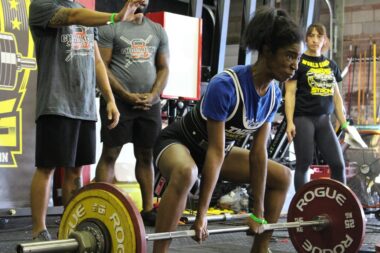
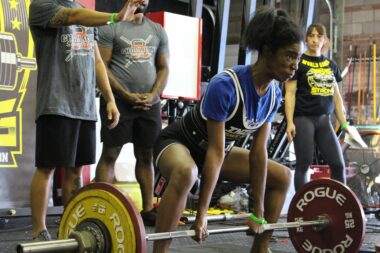
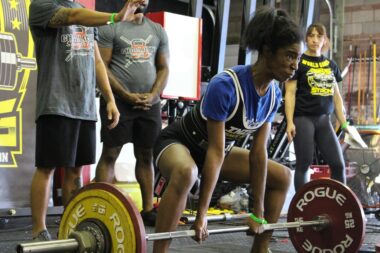
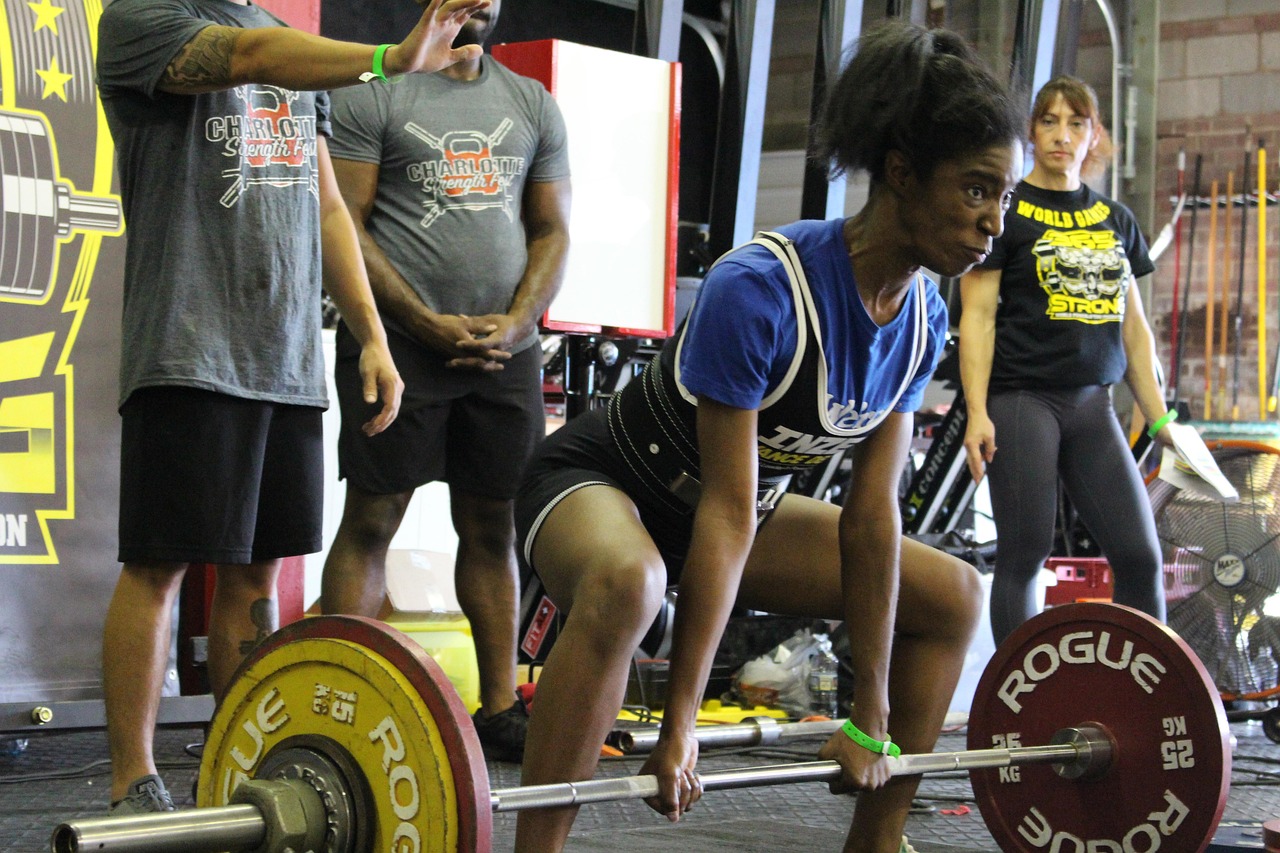
Understanding proper techniques is another critical aspect of beginning powerlifting effectively. The squat, bench press, and deadlift each have unique mechanics that will benefit from focused attention. In the squat, maintaining the right stance and depth is imperative for safety and effectiveness. Feet should be shoulder-width apart or slightly more, while ensuring that your knees track over your toes. Similarly, in the bench press, a strong grip and stable shoulder placement can prevent injuries and promote strength gains. Wrapping the thumb under the bar provides better control and stability throughout the lift. Lastly, for the deadlift, starting with the right positioning and back alignment cannot be overstated. Improper technique during any of these lifts can lead to serious injuries and hinder progress. Utilizing resources such as instructional videos, coaching, or workshops can immensely add to the understanding of form and technique. Always consider training with a partner or utilizing mirrors to check body angles during lifts. These tools can help monitor form and ensure all movements are performed safely and efficiently.
In addition to refining technique and establishing a foundation, understanding nutritional practices is equally crucial in powerlifting. A well-rounded diet supports your overall training regimen. Many beginners neglect their nutrition, despite it being essential for energy levels and recovery. Carbohydrates should be a primary energy source to fuel intense training sessions, while proteins are critical for muscle repair and growth. Aim for a balanced diet that includes whole foods and sufficient hydration, as dehydration can negatively impact performance. Utilizing supplements can be beneficial for some lifters; however, these should not replace balanced nutrition. Common supplements among beginners include protein powders, creatine, and branched-chain amino acids (BCAAs). They can help optimize performance and recovery when used thoughtfully. Pre-workout meals are also essential and should contain both carbs and protein; consuming them approximately 1–2 hours before training can enhance workout quality. Pay attention to meal timing and frequency as well, splitting the daily intake into smaller, more frequent meals to maintain energy levels throughout the day. Tracking food intake using apps can also assist in staying accountable to nutrition goals.
Creating a Supportive Environment
Creating a conducive environment is another factor that can influence your success in powerlifting. As a beginner, joining a community of like-minded lifters can provide motivation, support, and vital feedback. Seek out local powerlifting clubs, gyms, or online communities where you can share experiences, challenges, and tips. Engaging with experienced athletes can help you learn about the sport faster and gain insider insights. Consider participating in workshops or events aimed at beginners; these can offer invaluable information about competition practices and mental strategy. Additionally, consider the training partners you surround yourself with, as their attitude and dedication can impact your pursuit of fitness. It’s essential to choose a supportive environment that encourages growth rather than competition; sharing successes with peers can enhance the experience. Setting personal goals and sharing them within this supportive framework can create accountability and boost progress. Whether it be improving your lifting techniques, gaining strength, or achieving a specific weight target, collaboration often leads to improving results over time.
Lastly, one of the most important aspects of training is tracking your progress on a regular basis. Not only will this help you gauge how well your current program is working, but it will also provide a source of encouragement as you meet your goals. Keeping a detailed log of each workout, documenting the weights lifted, repetitions performed, and personal records can serve as a powerful motivational tool. Additionally, as you reflect back on earlier entries, it will become apparent how far you’ve come. Progress tracking allows beginners to identify patterns or plateaus in their training, thereby fine-tuning programs as necessary. Implementing scheduled assessments every few weeks can help monitor improvements objectively. Challenge yourself to beat previous records or lift heavier during designated progression phases within your program. Engaging with your community can also provide support in accountability for your goals. Remember, consistent effort is key to achieving progress within powerlifting. Stay committed to your schedule and always revisit training logs and goals, adjusting your routines as required to maintain growth through alterations and challenges.
The Importance of Recovery
Lastly, recovery should never be overlooked when embarking on a powerlifting journey. Recovery phases are just as crucial as the training itself, as they help muscle repair and promote growth. Beginners may be inclined to train hard continuously, forgetting that muscle strength builds during rest periods, not during workouts. It is essential to incorporate rest days into your training week. Active recovery can be beneficial; engaging in light activities like walking or stretching can boost blood circulation without causing fatigue. Additionally, practice restorative practices such as foam rolling, massage, or even yoga. Prioritize sleep as it is vital for maintaining energy levels and overall health. Adequate sleep supports hormonal balance and muscle recovery, both of which are essential for improvement. Monitor your body’s signals of fatigue or overtraining, which may manifest as general tiredness, persistent muscle soreness, or decreased performance. When necessary, don’t hesitate to extend recovery periods or adjust schedules. Developing a balance between work and rest will ensure longevity in the sport and optimize results.
In conclusion, powerlifting can be an incredibly rewarding experience for beginners when approached with a structured mindset and understanding. Proper training programs should prioritize technique, nutrition, supportive communities, tracking progress, and recovery, all of which contribute to overall success. As you delve into this sport, remember the importance of patience and consistency; expect gradual improvements rather than immediate results. Achieving your goals in powerlifting will require dedication and hard work but will ultimately lead to a stronger, healthier you. Stay informed about various training methodologies and don’t hesitate to learn from different sources. Engaging with resources like books, online courses, or trained coaches will help optimize your training. Always focus on maintaining a positive mindset that celebrates small victories along the way. Whether your aim is lifting competitively or improving physical strength, ensure to enjoy the journey while pushing your limits. Let each session bring you one step closer to your aspirations, as every rep counts in the quest for excellence in the realm of powerlifting.