
Impact of Gut Health on Male Hormonal Fitness
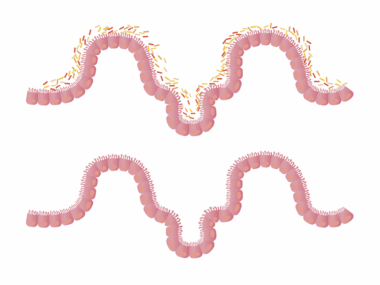
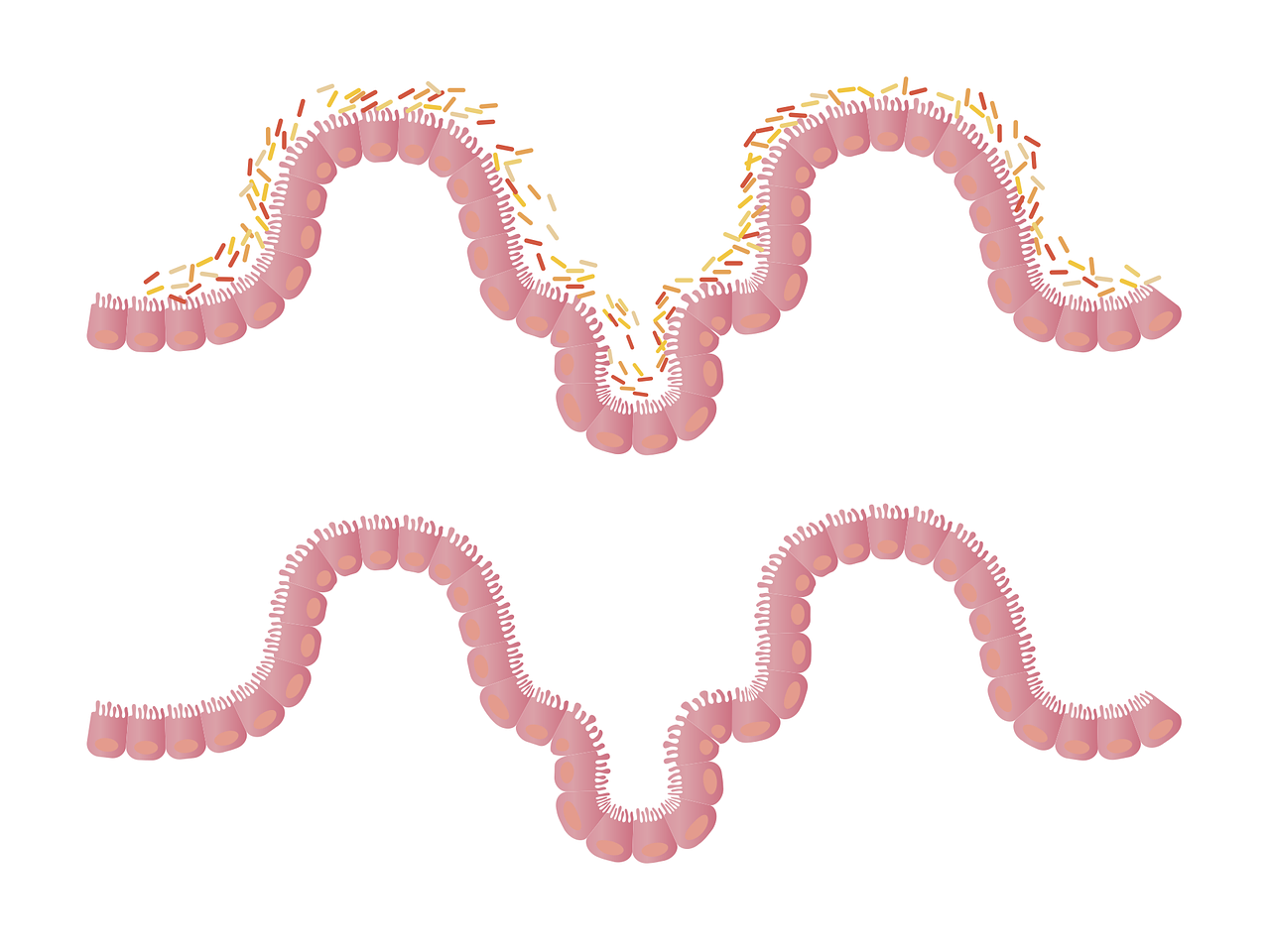
The relationship between gut health and hormonal fitness in men is increasingly recognized as a crucial factor in overall well-being. A healthy gut microbiome can influence hormonal balance significantly. The gut contains billions of bacteria, which play a vital role in metabolizing hormones, influencing mood, and regulating appetite. Specifically, gut health impacts hormones such as testosterone, estrogen, and cortisol, which are essential for male health. Dysbiosis, or an imbalance in gut bacteria, can lead to heightened inflammation and disrupt the endocrine system. This disruption may decrease testosterone levels, contributing to symptoms like fatigue, weight gain, and decreased libido. Improving gut health through a diet rich in fibers, probiotics, and fermented foods can enhance hormonal balance and improve fitness outcomes. Foods like yogurt, kimchi, and sauerkraut promote a diverse gut flora, which helps restore balance. Additionally, regular exercise can support gut health, further optimizing hormone production. Men’s health will benefit greatly from understanding the gut-hormone connection, prompting a shift towards lifestyle changes that nurture both the gut and hormonal health for enhanced vitality.
Understanding the gut microbiome’s role in hormonal fitness is essential. Research indicates that specific gut bacteria can influence the metabolism of hormones, particularly by helping convert certain precursors into active forms. For example, gut bacteria are involved in converting androgens into estradiol, a form of estrogen. A healthy gut may convert testosterone effectively, supporting better energy levels and muscle growth. However, when gut health is compromised, such as through poor diet or excessive antibiotic use, this function can be disrupted. Consequently, men may experience imbalanced hormone levels, leading to unwanted consequences like mood swings and reduced muscle mass. Furthermore, gut health also affects cortisol production, the stress hormone, which can lead to fat gain when deregulated. Since stress management is crucial in maintaining hormonal equilibrium, techniques that promote gut health should be prioritized. Integrating stress-reducing practices, such as mindfulness or yoga, can aid in balancing cortisol levels. Maintaining a balanced gut microbiome through diet and lifestyle changes will foster a more stable hormonal profile, improving overall well-being and fitness, making this relationship a vital focus for men seeking optimal health.
Nutrition plays a pivotal role in improving gut health and, subsequently, male hormone levels. Consuming an abundance of fruits, vegetables, and whole grains can provide the necessary fibers required to support beneficial gut bacteria. Plant-based diets are often high in polyphenols and antioxidants, which have been shown to have positive effects on reducing inflammation. This reduction is vital for maintaining healthy testosterone levels. Foods rich in omega-3 fatty acids, such as fish and nuts, also help reduce inflammation. Furthermore, the inclusion of probiotics can support the balance of gut microbiota. Fermented foods like kefir, miso, and even pickles can act as natural sources of probiotics. In addition to these, careful monitoring of sugar intake is critical, as excessive sugar can promote the growth of harmful bacteria in the gut. Processed foods should also be limited as they may disrupt gut health. Men should consider meal prepping and planning their diet to ensure they are fueling their body with the nutritional components that will support both gut and hormonal health, leading to improved fitness outcomes and overall vitality in life.
Exercise and Its Effect on Gut Health
To further enhance hormonal fitness in men, incorporating regular physical activity is essential. Exercise does not merely improve physical health but also has profound effects on gut microbiota. Studies have shown that engaging in physical activities such as aerobics or resistance training can increase the diversity of gut bacteria, promoting a healthier microbiome. A diverse gut microbiome is associated with improved metabolic processes and hormone regulation, including testosterone. When men exercise consistently, they not only support muscle growth but also enhance their hormonal environment, enabling better recovery and improved stamina. Furthermore, regular exercise can help control weight, reducing excess fat that may contribute to hormonal imbalances due to increased estrogen levels. Incorporating strength training can particularly assist in optimizing testosterone levels, as it has been observed to stimulate its production. Additionally, maintaining a regular exercise routine helps alleviate stress, which can further support hormonal equilibrium. Establishing a consistent workout routine, ideally that includes both aerobic and resistance training elements, will benefit gut health and ultimately contribute to improved male hormonal fitness.
Sleep is often overlooked but is paramount in managing both gut and hormone health for men. Poor sleep quality or insufficient sleep can severely impact hormonal balance, affecting testosterone production and leading to numerous health issues. During sleep, the body performs critical restoration processes, including hormone regulation. A lack of sleep can elevate cortisol levels, resulting in a heightened stress response, which can disturb hormonal fitness. Furthermore, a disrupted circadian rhythm may negatively influence gut health by affecting the growth of beneficial gut bacteria. To ensure optimal sleep quality, men should consider establishing a regular sleep schedule, limiting screen time before bed, and creating a restful sleep environment. Techniques such as meditation or deep-breathing exercises can also help in achieving better sleep. A consistent sleep routine, paired with good sleep hygiene practices, will not only improve energy levels during the day but also support hormonal balance, thus enhancing gut health. This interplay between sleep, gut, and hormones creates a cycle that affects overall health and fitness. Employing effective strategies to improve sleep will ultimately lead to better hormonal health.
Stress management is also vital for maintaining gut health and hormonal balance. Chronic stress negatively impacts gut microbiota composition, creating an environment that can lead to dysbiosis. Elevated stress levels are linked to increased inflammation and cortisol levels, which can further contribute to hormonal disruptions. Practicing stress-reducing techniques such as mindfulness, yoga, or even regular physical activity can mitigate these effects. Techniques like meditation have shown to decrease cortisol levels, thus helping to restore hormonal balance in the body. Additionally, social connections play a role in emotional health and stress management. Supportive relationships can help buffer stress and contribute to a positive mindset. By fostering good social ties and managing stress, men can promote a healthier gut environment conducive to improved hormonal fitness. It is also beneficial to engage in leisure activities or hobbies that relieve stress. Implementing these practices can provide men with the tools to navigate daily stressors effectively, supporting not only gut and hormonal health but enhancing overall quality of life.
Conclusion and Recommendations
In conclusion, maintaining gut health is imperative for optimizing hormonal fitness in men. Addressing dietary choices to include fiber-rich foods, probiotics, and healthy fats can significantly improve gut microbiome balance. Regular exercise should be integrated into daily routines, promoting both gut diversity and hormonal regulation. Additionally, prioritizing good sleep hygiene will help maintain healthy hormonal environments, underscoring its link with gut health. Don’t overlook the importance of stress management techniques as well; they create a buffering effect against the detrimental impacts of chronic stress on gut health. By making conscious choices that nurture gut microbiota and hormonal health, men can enhance their well-being and performance. Implementing these strategies fosters a holistic approach to health, bridging the gap between gut health and hormonal fitness. The distinct interplay between these elements illustrates the importance of a comprehensive focus on lifestyle changes. Taking proactive measures in diet, exercise, sleep, and stress management will empower men toward achieving their fitness goals, ultimately leading to a more vibrant, energetic, and healthy life.