
Role of Pilates in Improving Core Strength Among Older Adults
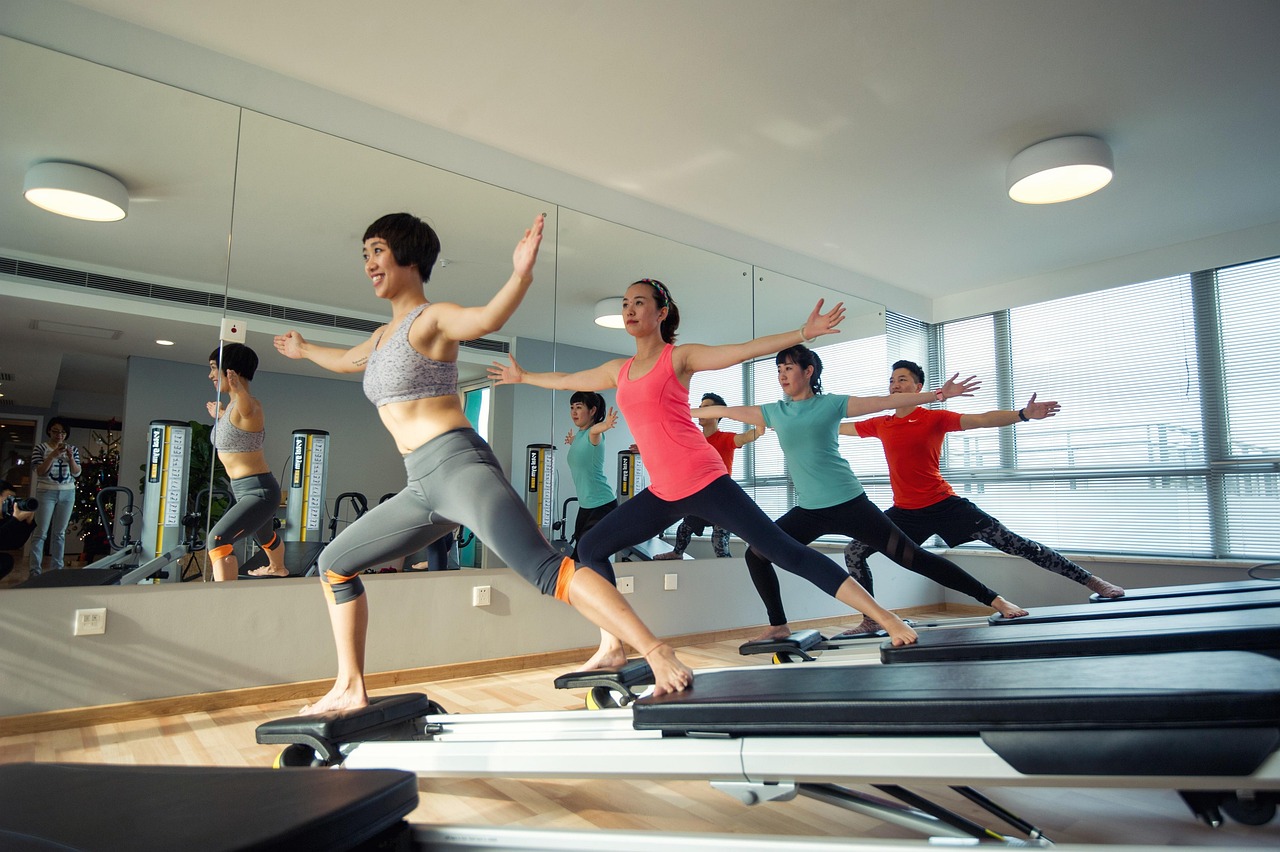
As the population ages, maintaining physical health becomes increasingly vital for enhancing longevity and quality of life. Pilates has emerged as a beneficial exercise form particularly for older adults. This low-impact exercise focuses on core strength, flexibility, and overall body awareness, making it safe and effective for seniors. Research highlights the critical role core strength plays in daily activities, balance, and fall prevention in older adults. By engaging in Pilates, seniors can strengthen their abdominal and pelvic muscles, providing a solid foundation for various movements. Additionally, Pilates emphasizes proper posture and alignment, which can alleviate common age-related ailments like back pain. Moreover, its adaptability allows instructors to tailor exercises to individual needs and physical capabilities, ensuring that everyone can participate. Thus, older adults can embrace Pilates regardless of their fitness level or prior experience. By fostering a supportive environment, Pilates classes can become not just a workout, but a social outlet, encouraging community and interaction among participants. This holistic approach promotes both mental and physical wellness in seniors, contributing to overall improved health outcomes.
Various studies underscore the effectiveness of Pilates in increasing core strength among older adults. One such study demonstrated significant improvements in the core musculature of participants engaging in regular Pilates sessions over several weeks. The research utilized tests to measure strength before and after a dedicated Pilates routine, revealing marked enhancements in abdominal endurance and overall core stability. As core strength is vital for balance, these findings suggest that Pilates could play a cornerstone role in fall prevention strategies for seniors. Additionally, the controlled movements characteristic of Pilates are designed to be safe, minimizing risks often associated with traditional strength training methods. This aspect of Pilates can lead to greater confidence among older adults, encouraging them to remain physically active. Moreover, the consistent focus on breathing and body awareness in Pilates can also promote mental clarity and relaxation. Such benefits are particularly essential as mental health also influences physical well-being. Further research is needed to explore long-term impacts, but current evidence suggests Pilates significantly contributes to enhancing core strength in older individuals, offering both immediate and lasting benefits.
Physiological Benefits of Pilates
The physiological benefits of Pilates for older adults extend beyond just improved core strength. Pilates incorporates a series of controlled, low-impact movements that enhance flexibility and stability. As older adults lose flexibility with age, incorporating these elements can significantly improve their range of motion. For instance, dynamic stretching performed during Pilates sessions can influence the body’s ability to execute essential daily activities, such as bending or reaching. Furthermore, Pilates exercises often require the body to engage multiple muscle groups simultaneously, promoting better coordination and overall functional fitness. Evidence suggests that participants notice improvements in their ability to perform everyday tasks without discomfort or stiffness. Enhance coordination can also lead to improved balance, reducing fall risk, which is critical for the aging population. Additionally, the focus on core muscle engagement fosters greater trunk stability, which is essential for maintaining proper posture. Good posture can further alleviate strain on joints and lessen long-term wear and tear. Ultimately, through these physiological benefits, Pilates emerges as an invaluable tool for healthy aging and maintaining independence in later life.
The psychological impacts of Pilates on older adults cannot be overlooked. Research indicates that physical activity plays a crucial role in improving mental health, and Pilates is no exception. As participants engage in this mindful exercise, they often report reductions in stress and anxiety levels. The emphasis on controlled breathing and focused movement fosters a meditative state, aiding in relaxation and mental clarity. For many older adults, this mindfulness enhances their overall enjoyment and adherence to exercise routines. Also, positive social interactions during community-based Pilates classes can diminish feelings of loneliness, fostering connections that are essential for mental well-being. Enhanced self-esteem arises from achieving fitness goals, further contributing to a positive self-image. Additionally, participants often express a greater sense of independence through improved physical capabilities. This heightened sense of freedom can motivate them to maintain an active lifestyle, leading to better health outcomes. It is essential to recognize that the significant psychological benefits from Pilates significantly bolster the motivations for older adults to remain engaged in regular physical activity, through which they can thrive in their golden years.
Community Engagement Through Pilates
Participating in Pilates provides not only physical and psychological benefits but also fosters community among older adults. Group classes act as an excellent platform for like-minded individuals to socialize, support each other, and build relationships. This sense of community is crucial, especially as many older adults face isolation or loneliness as they age. Classes often create a welcoming environment, encouraging camaraderie and mutual support among participants. Friends may motivate each other, share their experiences, and celebrate their progress together, which builds a strong social network. As older adults connect through shared activities such as Pilates, they often find a renewed sense of purpose and belonging. Instructors play a vital role as community facilitators, ensuring that all participants feel included and valued in the class. Additionally, community engagement in fitness activities promotes accountability, where individuals are more likely to show up and continue their practice when they know others are participating too. Furthermore, these interactions can significantly enhance overall well-being, making Pilates a holistic approach to improving life quality among older adults.
Moreover, Pilates can be tailored to specific health conditions prevalent among older adults, such as arthritis or osteoporosis. This adaptability enables practitioners to modify exercises, providing the safest approach while addressing individual health concerns. In instructional settings, trainers often undergo training to work with older populations, ensuring they can provide appropriate modifications and support. Programs that take into account older adults’ unique physiological and psychological needs can yield the highest success rates. For instance, low-impact exercises are central to Pilates, emphasizing safety while promoting benefits. As a result, minor adjustments can make activities accessible while still challenging participants adequately. This approach to wellness allows older adults to genuinely engage with their fitness. Pilates can also be part of rehabilitation programs for those recovering from surgery or injury. Research highlights that integrating Pilates approaches into post-rehabilitation routines can speed recovery and enhance physical functioning. By informing older populations about the benefits of Pilates, more individuals can find themselves empowered to reclaim control of their bodies and ultimately improve their mobility and independence.
Final Thoughts on Pilates for Aging Populations
In conclusion, the role of Pilates in strengthening core muscles among older adults is profoundly significant. Not only does it improve physical well-being through enhanced balance, flexibility, and strength, but it also contributes positively to mental health by fostering community engagement and reducing feelings of isolation. As research continues to validate the benefits of Pilates, older adults should be encouraged to incorporate it into their routines. Healthcare professionals can advocate for Pilates classes within their communities, aiding in the development of programs specifically designed for older populations. Community centers and senior facilities may consider offering Pilates classes to meet the growing demand for fitness options tailored to seniors. Joining Pilates not only enhances physical wellness but promotes enriched social connections, further improving life quality. Ultimately, as Pilates enhances core strength and overall fitness, it seamlessly integrates into the broader conversation of aging gracefully. As more individuals recognize the transformative power of Pilates, they can truly embrace active aging, empowering them to live vibrant, fulfilling lives in their later years.