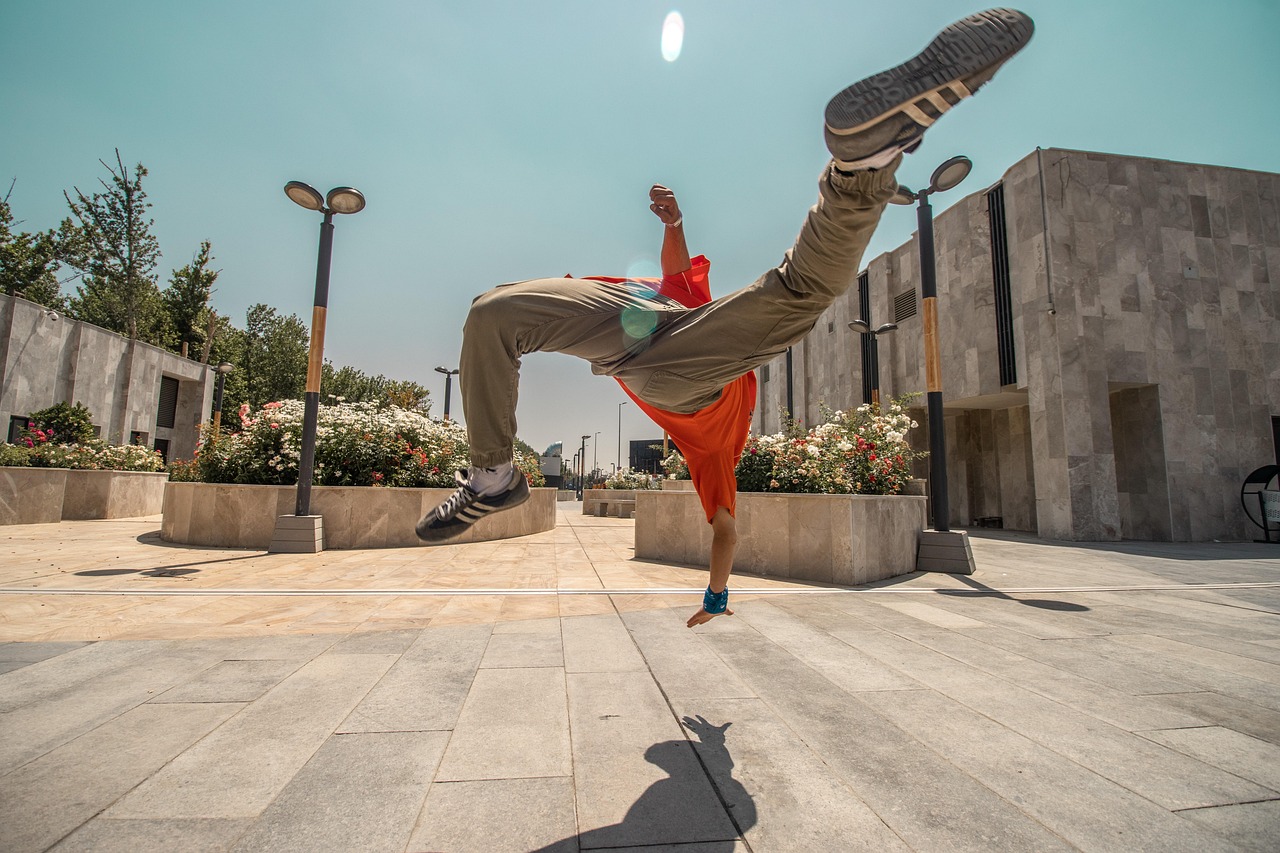

Integrating Parkour Groups with Other Group Fitness Activities
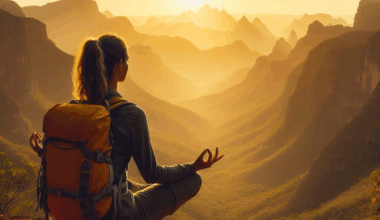
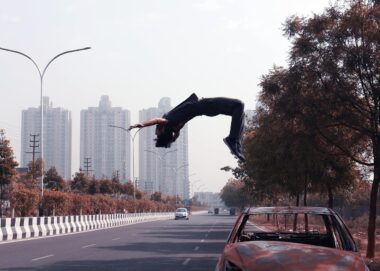
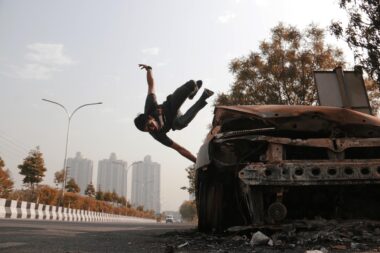
Parkour groups have gained immense popularity over the past several years, offering dynamic movement and a strong community. Integrating parkour with other group fitness activities can create a balanced workout that enhances both strength and agility. This combination not only improves fitness levels but also enriches sensory experiences through varied environments. By joining parkour sessions with yoga or pilates, participants can discover the importance of core stability and flexibility. Many fitness enthusiasts report that their parkour skills improve significantly when combined with these activities, allowing individuals to navigate obstacles more effectively. Instructors can design hybrid sessions that incorporate movements from both disciplines. For instance, after a yoga warm-up, participants can practice vaulting techniques that require both strength and precision. This approach fosters a deeper understanding of how body awareness impacts performance. Furthermore, regular social interaction during these combined classes encourages a sense of belonging, which enhances mental well-being. Group dynamics enrich the learning experience, as members motivate each other, push boundaries, and share achievements. Overall, embracing multi-faceted training experiences can lead to stronger, more versatile athletes.
Another popular pairing is incorporating parkour with functional training.
Functional training focuses on movements that prepare participants for everyday tasks, making it an excellent complement to parkour. In functional training, people learn to move effectively through their environment, improving both strength and conditioning. By bringing these two styles together, individuals can enhance their parkour skills by practicing movements that boost overall body mechanics. A class could seamlessly blend the explosiveness of parkour jumps with the stability of functional movements, creating an engaging workout that targets strength, coordination, and endurance. For example, participants can perform squat jumps followed by precision landings, refining their technique while reinforcing functional movements. Additionally, trainers can incorporate balance exercises on various surfaces to challenge stability, making it a complete workout for the participants. Variety keeps engagement levels high, ensuring everyone stays motivated and enthusiastic about their progress. It’s beneficial to include team-based challenges in these hybrid classes to foster camaraderie among participants, which not only enhances individual experiences but strengthens the community aspect as these fitness groups bond over shared accomplishments.
Furthermore, combining parkour with dance classes opens the door to new creative avenues.
This approach adds an artistic element, allowing individuals to express themselves physically. Dance emphasizes rhythm, body control, and fluidity, which are skills that significantly enhance parkour abilities. By merging the two, participants can develop grace and agility, indulging in a more holistic fitness routine. This combination can be particularly appealing to younger individuals who appreciate the artistic expression found in movement. Group fitness instructors can design sessions where participants transition seamlessly between parkour techniques and dance-like fluid movements. For example, classes could begin with a dynamic warm-up before transitioning into parkour-themed choreography, emphasizing footwork and flow. Such creative fusion challenges participants’ mental and physical limits while providing ample opportunities for self-expression. Moreover, incorporating dance into parkour classes can increase cardiovascular endurance, as movements become more rhythmic and intense. The upbeat atmosphere during classes encourages social interaction, fostering friendships among participants while building invaluable skills. Enhanced camaraderie ensures higher retention of participants in both disciplines, ultimately strengthening the community that thrives on positivity and incorporation of diverse training styles.
Integrating parkour groups with outdoor fitness activities is another excellent option.
Outdoor fitness has become increasingly popular, and adding parkour techniques can enhance the experience significantly. Parks often provide natural obstacles that can be utilized for parkour training. By adapting sessions to outdoor environments, participants also reap the benefits of nature and fresh air. This allows for greater exploration and creativity, as members can engage with their surroundings. Organizing group workouts in parks can also encourage families to participate, making fitness a community effort. Whether working on climbing trees or vaulting benches, the great outdoors sets the stage for endless possibilities. Outdoor group fitness classes can focus on skills essential for obstacle navigation while also fostering collaboration through team exercises. For example, participants can be divided into teams to conquer obstacle courses, promoting teamwork and problem-solving. Moreover, parkour allows individuals to push their limits physically while cultivating a sense of adventure. The camaraderie developed during these experiences often leads to lasting friendships, enhancing retention rates in fitness classes. Connecting physically with outdoor settings also reinforces the mental well-being associated with regular exercise, contributing positively to participants’ lives.
Benefits of Integrating Parkour with Strength Training
Integrating parkour with strength training brings about several compelling benefits for fitness enthusiasts. Strength training is crucial for developing the power needed to execute parkour maneuvers effectively. By incorporating elements such as weightlifting and resistance training, participants can improve their overall muscle strength. Adding strength training exercises before or after parkour workouts allows them to progress faster. For instance, performing deadlifts or squats can build the necessary muscle groups used in parkour jumps and landings. Trainers can create programs that combine strength drills with agility-focused exercises. Group fitness members can strengthen their bodies in various ways, including pushing limits through weighted movements while still improving mobility. The emphasis on balanced development ensures members remain injury-free and well-prepared for parkour challenges. Importantly, the social aspect of training together builds a dynamic environment that promotes team support. Participants often feel inspired to challenge themselves further when training in groups. Notably, sharing progress can help build confidence that extends beyond physical capabilities, also impacting mental resilience. The synergy of parkour and strength training ultimately leads to well-rounded athletes prepared for a variety of fitness challenges.
Moreover, the combination of parkour with martial arts can provide a unique approach.
Martial arts focus on discipline, control, and precision, which are also essential aspects of parkour. By integrating both disciplines, participants not only learn self-defense techniques but also discover new ways to navigate obstacles with agility. Combining parkour movements with martial arts training can enhance rhythm and timing in movement execution and control. This fusion works particularly well in classes that emphasize agility drills or impressive acrobatics. Participants can practice techniques for landing safely and rolling to minimize impacts, skills critical to both disciplines. Furthermore, martial arts encourage mental toughness, developing focus and determination that complements the physical training of parkour. Group classes designed around this integration foster cooperation and respect among participants, mirroring the core tenets of martial arts. Group sparring sessions can even incorporate parkour principles to create engaging challenges that enhance both physical fitness and strategy. This creates a holistic fitness experience that promotes teamwork, respect, and a sense of community. As participants foster strong friendships, they become more likely to stay committed to their training within these cross-disciplinary classes.
Conclusion: A Multifaceted Approach
In conclusion, integrating parkour groups with various group fitness classes fosters a multifaceted approach to health and wellness. Each combination highlights the unique strengths of the respective disciplines, encouraging participants to explore their skills while building community. The compelling integration of parkour with yoga, functional training, dance, and martial arts not only enhances individual fitness journeys but cultivates positive relationships among group members. This blend of training offers both physical challenges and creative outlets while fostering essential skills like cooperation, teamwork, and resilience. Whether participants are navigating natural obstacles outdoors, improving strength, or practicing fluid movements in dance classes, they benefit from varied experiences. Such diversity allows individuals to remain engaged with their fitness routines over time. Ultimately, the holistic approach nurtures not only individual physical fitness but mental well-being as well, creating versatile athletes equipped for various challenges. Fitness is not merely about physical achievements; it’s also about community growth and personal transformations. Encouraging inclusivity in the fitness landscape ensures everyone can find a place in the journey towards health, embracing the challenges and victories across disciplines.
The combined experiences lead participants to become lifelong learners in fitness, enriching their lives.
This enhanced connection to movement forms solid foundations for lasting friendships as individuals share experiences, support, and achievements together. The exploration of diverse workouts can lead to deeper mastery of physical abilities and an improved quality of life. However, it’s crucial to ensure that instructors are adequately trained to teach hybrid classes effectively. As participants experiment with new styles, they rely on the guidance and experience of their trainers for safe learning environments. Instructors must tailor workouts to accommodate varying fitness levels, providing modifications that cater to all participants. Together, parkour groups and fitness communities can create comprehensive programs, emphasizing safety and inclusive environments. Incorporating feedback is vital to further develop class structures. Continual refinement ensures participants remain engaged and challenged throughout their fitness journey. By celebrating achievements and progress, instructors again harness the motivations that keep participants returning. Ultimately, the integration of parkour with other fitness classes not only promotes stronger bodies and minds but also strengthens the communal bond, encouraging everyone involved to continue striving toward personal and group goals.