
Simple Breathing Practices to Calm Your Mind
Breathing techniques offer remarkable benefits for emotional regulation. They help individuals manage stress, anxiety, and negative emotions effectively. Implementing simple practices can profoundly influence emotional stability and mental health. One effective method involves focusing on inhalation and exhalation. This can be done through a process called diaphragmatic breathing. By concentrating on breathing from the diaphragm, you enhance oxygen flow and promote relaxation. Consistent practice can create a calming habit that helps individuals navigate their daily lives more smoothly. Techniques may include box breathing, 4-7-8 breathing, and mindfulness breathing. Each method has distinct benefits, making them suitable for various circumstances. Additionally, incorporating visualization or mantra repetition during breathing exercises can deepen relaxation. Given the fast-paced nature of modern life, dedicating time to breath work is invaluable. It encourages grounding and connection to the present moment. Integrating these techniques into a daily routine, whether in the morning or before bed, can create lasting positive changes. Finally, they can be practiced virtually anywhere, making them accessible tools for emotional management. Embracing these practices leads to increased emotional resilience and overall well-being.
If you’re new to breathing exercises, start with simple and quick techniques. One recommended approach is focusing on the 4-7-8 breathing technique. This involves inhaling for four seconds, holding your breath for seven seconds, and exhaling for eight seconds. This cycle encourages relaxation and stabilizes your heart rate. By repeating this cycle four times, one can noticeably reduce anxiety levels. Practitioners often report feeling centered and calmer after just a few rounds. You may also try counted breathing, where you inhale for a specific count and exhale for the same or a longer count. The rhythmic quality of counting can further enhance your focus and tranquility. If you prefer a guided approach, various apps and online resources can assist you. Many platforms offer guided sessions focusing on emotional balance through breathing techniques. Some practitioners find it helpful to utilize visualization during their exercises. Picture yourself in a peaceful setting as you breathe. This not only promotes relaxation but also cultivates a positive mindset. Experimentation is key; find which techniques resonate best with you and incorporate them consistently into your daily routine.
Visualize Calmness During Breathing
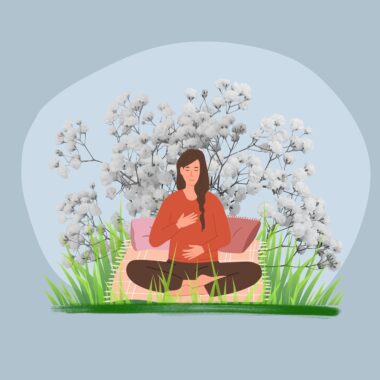
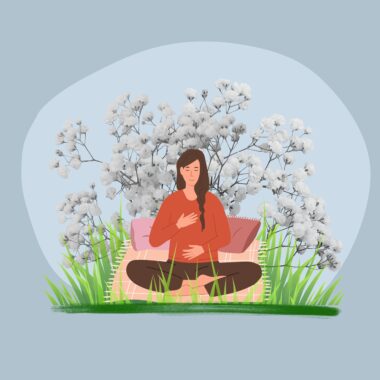
Visualization techniques can enhance breathing exercises for emotional regulation. By combining visual cues with breath control, you create a powerful tool for relaxation. While inhaling deeply, imagine pure, positive energy filling your body. During exhalation, visualize negativity or stress being released from your body. This practice can be effectively integrated into any breathing routine. Find a quiet space, close your eyes, and begin to take slow, deliberate breaths. As you breathe in, picture calmness and stillness enveloping you. Imagine this peace spreading throughout your mind and body. As you exhale, visualize any tension or discomfort leaving your system. A strong visualization enhances the impact of the breathing technique, leading to improved emotional clarity and reduced anxiety. Some individuals also find benefit in pairing breathing with supportive affirmations. Phrases such as “I am calm” or “I am at peace” can reinforce positive emotional states. Utilize affirmations that resonate with your personal journey. Consistent practice of visualization and affirmation can lead to lasting emotional regulation benefits. You’ll develop a deeper connection between your mind and body, ultimately cultivating better emotional health.
Mindfulness and breathing exercises can work together to foster a peaceful mind. Mindfulness encourages present-moment awareness, enhancing the benefits of breathing techniques. By being attuned to your breath, you anchor your thoughts and feelings in the present. One effective way to practice mindful breathing is through sensation awareness. Pay attention to the rise and fall of your chest or abdomen during inhalation and exhalation. This practice creates a profound shift in your emotional landscape. You may notice when thoughts arise, allowing space to acknowledge and release them. Building this awareness transforms reactions to stressors. Additionally, integrating mindful breathing into everyday activities enhances emotional regulation. For instance, take a few mindful breaths during a break or before responding to a challenging situation. Developing this mindful habit can revolutionize your approach to stress and emotional challenges. When you engage fully with each breath, you promote a sense of calm and resilience. Over time, the practice establishes a reliable tool for navigating emotional fluctuations. As you become more aware of your breathing patterns, your overall emotional health improves. You’ll cultivate a more balanced response, leading to increased well-being.
Breathing for Everyday Situations
Incorporating breathing techniques into daily routines can significantly enhance emotional regulation. For example, practice a few deep breaths before entering a stressful work meeting. This can alleviate anxiety and prepare your mind for focused engagement. Moreover, when dealing with conflict or difficult conversations, take a moment to breathe. Engaging in slow, intentional breathing allows for clear thinking and emotional control. You can also apply these techniques while commuting or waiting in line. A few moments of breath-focused practice can shift your mindset and dispel tension. Additionally, consider using breathing techniques before sleep. This can induce relaxation and enhance sleep quality. Slow, deliberate breaths signal to your body that it’s time to unwind. A calming breath routine before bed includes inhaling through your nose and exhaling through your mouth. Each exhalation should be longer than the inhalation, promoting deeper relaxation. Practicing these techniques in various scenarios enriches emotional resilience. They empower you to navigate life’s challenges with greater ease. With time, these techniques become your go-to tools for emotional stability, regardless of the situation.
The importance of consistency in breathing practices cannot be overstated. Regular practice cultivates familiarity and ease with the techniques. It allows your body and mind to respond more effectively in high-stress situations. Start by setting aside dedicated time for daily practice, even if just for a few minutes. Gradually build duration as you become more comfortable. You might find it helpful to create reminders or assign specific times for these sessions throughout your day. Whether morning, afternoon, or evening, having a routine deepens the benefits of breath work. Over time, this practice builds a foundation of emotional resilience. Draw on breathing techniques as powerful tools whenever you encounter stress or anxiety. As your practice matures, you’ll notice an increased ability to remain calm amidst challenges. Ultimately, breathing techniques provide a supportive framework for emotional regulation. They empower individuals to reclaim their sense of balance and peace. Therefore, embrace the journey of incorporating these exercises into your life, fostering emotional health and stability. Remember, every breath taken consciously contributes to a more fulfilling life.
Concluding Thoughts on Breathing
In conclusion, simple breathing techniques serve as vital tools for emotional regulation. They enhance mental clarity and reduce instances of stress and anxiety. Whether using specific methods or integrating mindfulness and visualization, every individual can find techniques that resonate. Everyone experiences emotions differently, highlighting the importance of personalizing one’s approach. As one explores various practices, awareness grows, leading to deeper emotional understanding. Practicing daily reinforces the connection between breath and emotional stability. Each time a person engages in these activities, they build a stronger foundation for emotional health. Furthermore, with today’s fast-paced life, emotional regulation has never been more critical. Learning to adapt breathing techniques into daily routines can create powerful impacts on overall well-being. As awareness and practice develop, emotional responses become more manageable. Thus, prioritizing breath work ultimately promotes a healthier lifestyle. Remember, it all begins with taking a moment to breathe deeply. This simple act can be transformative and restorative. Take the time to explore these techniques, embrace the calmness they offer, and cultivate a peaceful mind.
Most importantly, breathing exercises are easily accessible and cost-effective. You can engage in these practices anywhere, making them a versatile resource. As you become more familiar with your chosen techniques, integrate them naturally into your life. Feel confident in using them whenever the need arises. Gradually, these exercises will form an integral part of your emotional health toolkit. Sharing your journey with others can also amplify support and encouragement; you might inspire someone else to explore these methods as well. Engaging in group sessions, either in person or online, can foster shared experiences and promote connection. Remember, you’re not on this journey alone; many individuals seek pathways toward better emotional management. Engaging with a community allows growth through shared insights and mutual support. With curiosity and commitment, anyone can harness the power of breathing for emotional regulation. In time, you will notice how this practice enriches your life, nurturing both your spirit and mind. Embrace the power of your breath as a means to foster emotional resilience and a sense of calm. Every breath taken is a step toward improved mental health and overall life satisfaction.