
Can You Build Muscle and Lose Fat at the Same Time? Myth or Possible?
The combination of muscle building and fat loss has long been a topic of debate in fitness circles. Many believe that these goals are incompatible due to conflicting physiological processes. However, certain circumstances can allow individuals to achieve both simultaneously. Understanding how the body functions during different states of nutrition and exercise is crucial. In particular, research indicates that beginners in weight training can simultaneously build muscle while reducing fat because of their initial adaptation to resistance. Additionally, those returning from a long break often experience a similar response. To optimize this dual goal, it is essential to have a structured workout regimen and dietary strategies in place. A high-protein diet, ample hydration, and regular strength training sessions play vital roles. Nutrient timing around workouts also matters. Fueling the body appropriately before and after exercise can enhance recovery and performance. Individuals often get the best results when combining strength training with cardiovascular workouts. This balanced approach ensures efficient calorie expenditure while promoting muscle health. Adaptations in the body can lead to improved overall fitness and body composition changes.
Although building muscle and losing fat at the same time is possible, understanding the specifics is crucial. The caloric deficit required for fat loss must be managed without compromising muscle recovery. When the body is in a caloric deficit, it may utilize muscle for energy if not careful. Therefore, maintaining a slight deficit while prioritizing protein intake is vital. Experts suggest that individuals focus on strength training to signal the body to retain muscle mass. Compound exercises, such as squats, deadlifts, and bench press, engage multiple muscle groups and help maximize efficiency. Furthermore, engaging in progressive overload will stimulate muscle growth. Ensuring sufficient recovery is equally important; muscles grow during rest, not during workouts. Therefore, incorporating rest days into the training regime aids recovery. Age and experience level also influence outcomes, as younger individuals and novices may experience quicker results. For those with more experience, muscle retention while losing fat becomes more challenging but remains achievable with careful planning. Tracking progress through body measurements can also be beneficial. Monitoring changes in physique can inspire continued commitment and adaptation of strategies.
Challenges to Concurrent Training
One major challenge of attempting to build muscle and lose fat simultaneously lies in hormonal balance. The body’s hormonal responses during workouts, like cortisol levels, can hinder fat-loss efforts when excessively elevated. Elevated cortisol may lead to increased fat storage and muscle breakdown. Balancing high-intensity cardio and strength training can alleviate this concern. Therefore, alternating between the two can lead to improved muscle retention during fat loss phases. Another challenge is the common misconception about carbohydrates. Many individuals believe that carbohydrate restriction is essential for losing fat. However, proper energy intake, including carbohydrates, is needed to fuel workouts and support recovery. Carbohydrates play a significant role in replenishing glycogen stores and optimizing performance. Thus, balanced meals promoting macronutrient diversity are important. Additionally, mental barriers also hinder individuals in their journey. The fear of not achieving both goals can result in undesirable behaviors like extreme dieting or aggressive training programs. A realistic mindset is necessary to ensure sustainable progress. Setting achievable milestones and remaining patient are vital components of this journey.
Moreover, refining dietary choices can significantly impact muscle building and fat loss. Consuming adequate protein ensures muscle repair and synthesis. Nutrient-dense foods such as lean meats, fish, eggs, nuts, and legumes are vital sources of protein. Incorporating healthy fats and fiber-rich carbohydrates can enhance dietary portfolios. Whole grains, fruits, and vegetables provide essential nutrients and help manage hunger levels. Individuals must also pay attention to portion sizes to maintain an effective caloric deficit. Caloric awareness minimizes the risk of overconsumption, which could sabotage efforts. Another key aspect is meal timing and frequency. Distributing meals evenly throughout the day keeps energy levels stable and promotes consistent nutrient availability. While some prefer frequent smaller meals, others find success with intermittent fasting. Exploring various methods to determine what works best for personal preferences and lifestyle is essential. Furthermore, hydration should not be overlooked; adequate water intake supports metabolic processes and overall performance. Individuals who prioritize their hydration can experience improved energy during workouts, bolstering their results. Lastly, community and support systems can be invaluable in aiding individuals on their fitness journey.
Monitoring Your Progress
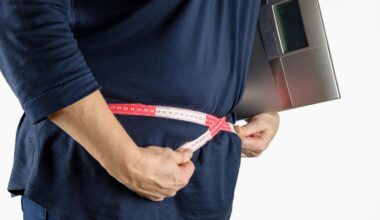
Tracking progress toward building muscle while losing fat requires a multi-faceted approach. Tools that help monitor body composition changes, like skinfold calipers or smart scales, can yield useful insights. Regular measurements can clarify whether some changes are occurring, thus motivating continued efforts. Besides numbers, visual assessments can reveal changes in physique that scales may not reflect. Therefore, taking progress photos from various angles can help visualize transformations over time. Documenting workouts can also identify training patterns that yield success. Keeping a fitness journal or using apps provides valuable feedback for ongoing adjustments. Note what workouts feel effective and how nutrition changes influence performance. Regular evaluation ensures any setbacks are addressed promptly. Moreover, considering emotional and mental health aspects is vital. Tracking mood or energy levels associated with different diets and training regimens can enhance overall wellness. An individual’s mental state significantly impacts motivation and adherence to fitness plans. Self-reflection allows for necessary adjustments, leading to potentially improved outcomes. Understanding that both physical and emotional well-being is crucial aids in creating a balanced fitness journey. This approach encourages long-term commitment and success.
In conclusion, accomplishing the goal to build muscle while losing fat simultaneously is entirely possible. With the right approach, persistence, and patience, individuals can achieve remarkable body transformations. Effective training regimens combined with well-planned nutrition create the environment needed for success. It is important to remember that everyone’s journey is unique; therefore, what works for one may not necessarily work for another. Continual learning and adaptation create pathways to results. Engaging with experts or personal trainers can also provide accountability. Their training guidance can offer tailored programs suited to individual goals and fitness levels. Engaging in fellow fitness enthusiasts can foster a supportive environment, enhancing motivation. Throughout the process, embracing a holistic approach that combines physical training with mental health and support systems amplifies success. Those ready to embark on this path should prepare for challenges but also celebrate small achievements along the way. With commitment and a positive mindset, the balance of muscle building and fat loss is not merely myth but a tangible goal. So, step forward into this endeavor and transform your fitness journey.