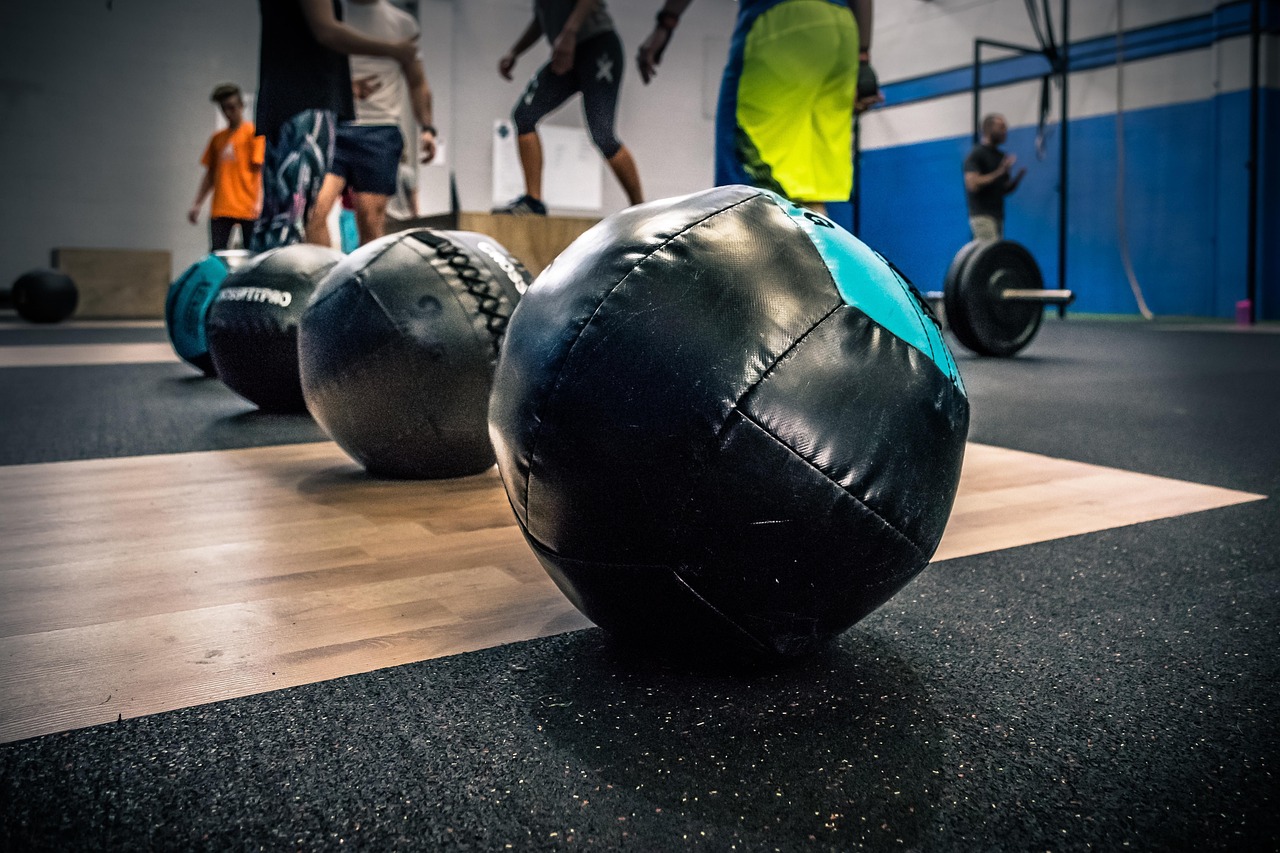

How Functional Training Enhances Athletic Performance
Functional training is an innovative approach that focuses on exercises mimicking daily activities. This training enhances various physical abilities, crucial for athletes in any sport. Unlike traditional workouts, which target isolated muscle groups, functional training emphasizes movement patterns. This method aids in developing strength and coordination in a way that translates to improved athletic performance. Some key benefits include enhanced balance, agility, and flexibility. These components are essential for athletes who require superior body control. Moreover, functional training often utilizes body weight, resistance bands, or functional equipment, facilitating a versatile workout environment that appeals to many. It allows for greater creativity in developing exercise routines tailored to an athlete’s specific needs. Athletes can improve their stability, core strength, and muscular endurance through movements such as squats, deadlifts, and lunges. These exercises engage multiple joints and muscle groups simultaneously, reflecting the demands faced during sports. Ultimately, incorporating functional training into an athlete’s regimen is beneficial, increasing overall performance and reducing the risk of injuries on the field.
Functional training is unique in that it focuses on training movements rather than just muscles. To better understand this concept, consider how athletes rely on compound lifts, core stability exercises, and explosive movements in their respective sports. These exercises reflect real-life scenarios, hence preparing athletes better for competition. Moreover, it bridges the gap between general fitness and specialized training. Athletes can gain a solid foundation using cross-training techniques that promote overall strength, endurance, and agility. The best part is that this functional approach can be customized to fit any athletic discipline, whether basketball, soccer, or weightlifting. Functional training also emphasizes injury prevention, a significant concern for athletes. Programs designed to enhance stability and mobility are essential since they help prevent common injuries. By integrating functional training into their regimen, athletes develop joint stabilization, improved posture, and increased range of motion. Consequently, this increased functionality translates directly into better performance during their sport. In conclusion, it reflects a strategic approach that athletes can adopt to ensure longevity and success in their athletic careers.
The Role of Core Stability
Core stability plays an essential role in functional training and athletic performance. A strong core allows athletes to transfer power effectively between the upper and lower body, enhancing their overall efficiency. When athletes lack core strength, they may struggle with proper form and technique, leading to ineffective performance and increased injury risk. Functional training incorporates specific core exercises targeting different muscle groups around the abdomen, back, and pelvis. Techniques such as planks, rotational movements, and stability ball exercises promote better core engagement, allowing athletes to maintain balance while performing sport-specific actions. Moreover, having a solid core can improve an athlete’s endurance, enabling them to perform at their best throughout competitions. Overall, functional training increases the effectiveness of core strength through a variety of dynamic exercises. Athletes who invest time in developing their core will likely see significant improvements in performance metrics, such as speed and endurance. Thus, core stability is a crucial component of functional training, which ultimately elevates athletic performance and prepares athletes for the challenges they face in their sports.
Another fundamental aspect of functional training is its focus on agility and balance. Many sports require quick changes in direction, sudden stops, and precise body control. By integrating agility drills into a functional training regimen, athletes can hone these essential skills. Exercises such as ladder drills, cone drills, and plyometric movements enhance proprioception and reaction time. These drills help athletes navigate complex game scenarios more effectively. Furthermore, improving agility not only allows for better performance but also reduces the chances of injuries during competitions. Developing balance through functional training is equally essential, as it ensures that athletes maintain control over their bodies during dynamic movements. This encompasses activities like jumping, pivoting, and landing. For instance, single-leg exercises challenge an athlete’s balance, making them stronger and more resilient. The adaptability of functional training is particularly beneficial, allowing athletes to work on both agility and balance in various environments — whether at home, the gym, or on the field. Consequently, functional training becomes instrumental in creating well-rounded athletes capable of excelling in their respective sports.
The Importance of Flexibility
Flexibility is another vital component that functional training addresses. As athletes push their bodies to the limit, maintaining flexibility becomes crucial for optimal performance. Increased flexibility enhances movement efficiency and helps reduce the risk of injuries during training or competition. Functional training often incorporates dynamic stretching, static stretching, and mobility work, ensuring athletes develop a full range of motion. These flexibility-enhancing exercises are perfect for warming up before intense physical activities. Through exercises like lunges with rotation and arm circles, athletes can prepare their muscles and joints for the demands of their specific sports. Additionally, greater flexibility contributes to improved posture, which is essential for effective movement patterns. When athletes adopt proper body alignment, they can execute complex movements with greater ease. Training regimens focusing on flexibility also give athletes an edge during their recovery phases. Improved muscle elasticity can help accelerate recovery times, allowing athletes to return to action more quickly. In conclusion, focusing on flexibility in functional training enhances overall athletic performance while protecting athletes from potential injuries that may arise during demanding activities.
Incorporating functional training into the regular workout routines of athletes promotes overall body conditioning. This conditioning significantly impacts their physical capabilities. The blend of strength, endurance, flexibility, agility, and balance emphasizes a holistic approach to athletic performance improvement. Athletes will experience increased energy levels and better stamina during critical competitions as they condition their bodies. Furthermore, functional workouts often allow athletes to train more effectively in shorter time frames. By engaging multiple muscle groups and focusing on essential movements, athletes maximize their workout efficiency without compromising time management. This is particularly advantageous for busy athletes who juggle training, competitions, and recovery periods. The variety involved in functional training keeps workouts engaging and motivates athletes to push through their limits. Implementing new exercises and routines can add excitement and encourage athletes continuously to seek improvement. Adding functional training to an athlete’s routine leads to measurable progress, noticeable improvements in performance metrics, and greater enjoyment of their chosen sports. Consequently, it has become a popular choice for coaches and trainers seeking to elevate their athletes’ performance to new heights.
Developing Mental Toughness
Functional training also plays a significant role in conditioning the mind, fostering mental toughness essential for athletes. Training under various conditions and incorporating unpredictable elements helps athletes develop resilience. Facing physical challenges and overcoming discomfort during functional workouts builds confidence and mental strength. The journeys that athletes undergo during training significantly influence their performance during high-stress situations in competitions. When athletes trust in their training and capabilities, they can push through barriers and perform at their best. Additionally, functional training encourages goal setting, encouraging athletes to establish specific objectives tailored to their individual needs. These goals may range from improving a particular movement to bettering overall athletic performance. Achieving these goals builds self-esteem, further boosting mental fortitude. Throughout this journey, athletes learn the importance of perseverance, focus, and determination, shaping their mental frameworks. Ultimately, this mental aspect of functional training is crucial in converting physical gains into actual competitive advantages. By enhancing mental toughness, functional training not only develops better athletes but also cultivates a mindset that facilitates continuous growth and success.
In summary, functional training offers numerous benefits that enhance athletic performance by improving core strength, balance, agility, flexibility, and mental toughness. By integrating this approach into their training routines, athletes can experience well-rounded growth while reducing the risk of injuries. Moreover, incorporating specific movements prepares their bodies for the multitude of challenges faced during competitions. Functional training empowers athletes to reach their maximum potential and ensures longevity in their sports careers. The versatility and adaptability of functional workouts make them suitable for athletes across diverse disciplines. Coaches and trainers can customize functional training programs, allowing each athlete to focus on their specific needs. This individualized approach proves beneficial as it promotes continuous motivation and engagement. Furthermore, the confidence gained through functional training translates into better on-field performance. Athletes trained with this method will likely excel, showcasing improved skills, faster reaction times, and increased stamina. As functional training continues to gain popularity, it is clear that this approach effectively enhances athletic performance across various sports and disciplines. In the dynamic world of athletics, embracing functional training is the key to unlocking the full potential of every athlete.