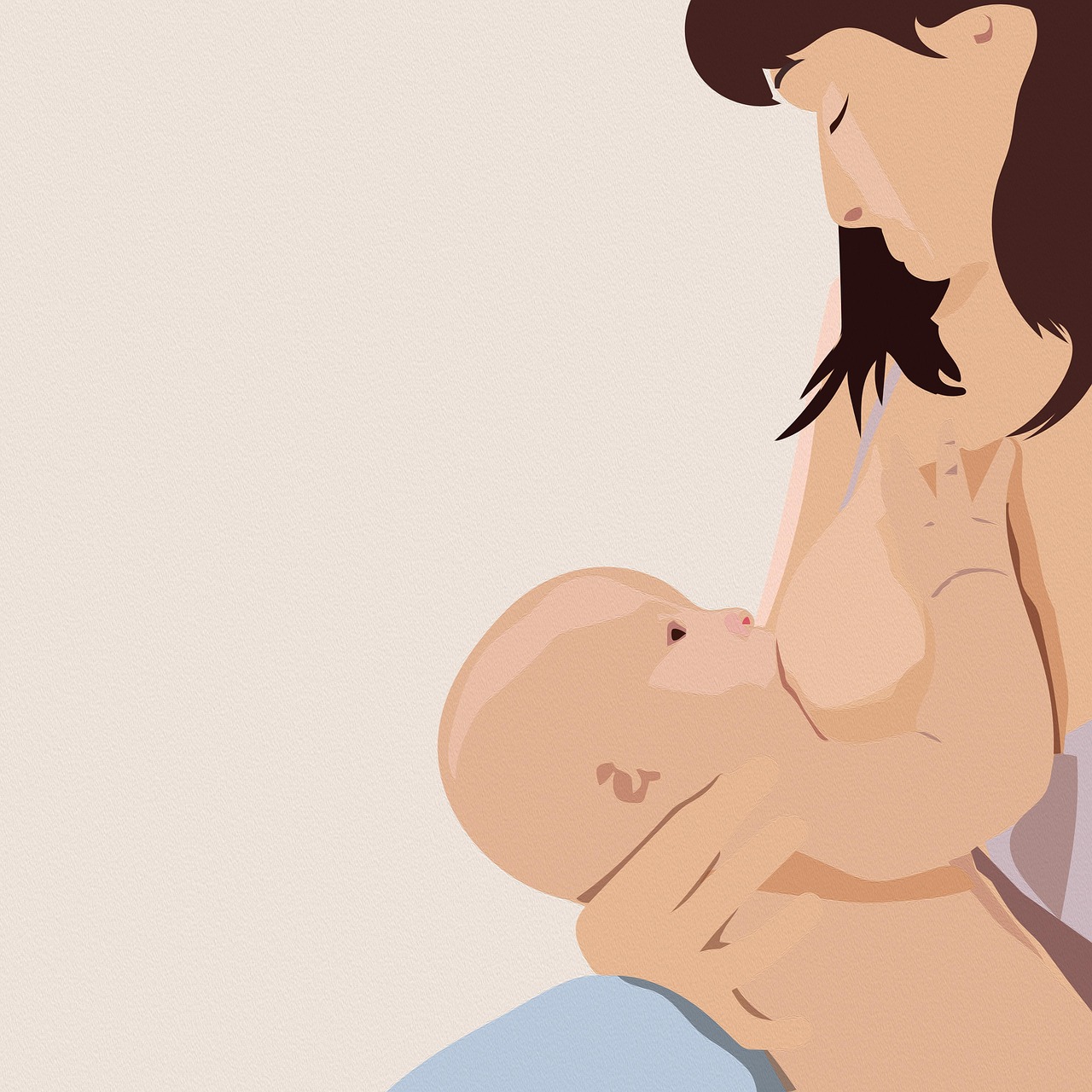

Post-Cesarean Fitness Advice for Breastfeeding Mothers
Many mothers wonder what safe fitness options exist after a cesarean section, especially while breastfeeding. It is essential to prioritize healing and recovery first. By listening to your body, you can gradually ease back into your fitness routine. Start slow with gentle movements and avoid any action that causes pain. One excellent initial exercise is walking. It aids in recovery and boosts mood. As you progress, consider incorporating postnatal yoga. This practice can strengthen core muscles while encouraging relaxation. Avoid high-impact activities until your doctor gives the green light. Listening to your body is crucial, as every individual has different recovery times. Hydration is also imperative during this phase, particularly when breastfeeding. Being well-hydrated can enhance milk production and help recover from surgery. Engage in fitness activities, but maintain a solid support system. Consider reaching out to a fitness professional specializing in postpartum recovery. This expert can design a personalized plan tailored to your needs. Make sure to consult your healthcare provider before starting any new exercise regimen to ensure it aligns with your recovery process and breastfeeding journey.
Core Strength and Stability
Building core strength is vital for every new mother, especially those recovering from a cesarean. After surgery, your abdominal muscles need time to heal before undergoing vigorous training. Start with gentle pelvic tilts or deep breathing exercises targeting the abdominal area. Such moves help reconnect with your core while promoting stability. Additionally, incorporate modified planks that avoid excessive strain, focusing on controlled engagement instead. This helps improve functional strength, making daily tasks easier. A stability ball can provide excellent support, allowing you to practice various movements safely. Always ensure that you maintain proper form, avoiding any position that creates discomfort. It’s equally essential to remain conscious of your posture during breastfeeding. This can prevent back pain and immobilization. Gradually increase the intensity of your workout as your body becomes stronger and more stable. Tracking your progress can be motivating; consider keeping a fitness journal. Commit to a few minutes of exercise daily. Focus on breathing techniques to enhance relaxation, allowing you to transition smoothly between exercises. With time, strengthening your core and stability will contribute positively to your overall fitness journey and postpartum wellness.
In addition to core-focused workouts, consider integrating flexibility exercises into your routine. Stretching can significantly improve your overall mobility, which may feel compromised post-surgery. Tight muscles due to breastfeeding and carrying your baby can lead to discomfort and tension. Gentle stretches like neck rolls or shoulder shrugs should be prioritized. Also, simple quadricep and hamstring stretches can alleviate tightness in your legs. These moves can be easily incorporated during breaks while caring for your toddler. Focus on deep, intentional stretches to maintain flexibility and avoid stiffness. Attend specialized postpartum fitness classes if possible, as they offer structured support encouraging shared experiences among mothers. Engaging in these classes fosters community and connection, making it easier to stay accountable. Integrating baby-wearing can also enhance your fitness routine while bonding with your little one. Always stay conscious of body alignment to prevent injury. As your recovery progresses, increase the duration and variety of your flexibility movements, allowing your body to adapt. Focus on gradual improvements instead of rapid changes, as this can lead to sustainable results while balancing motherhood and self-care. Celebrate every achievement, big or small, as they contribute significantly to your journey.
Nutrition and Hydration
Nutrition plays a crucial role in your fitness journey as a breastfeeding mother post-cesarean. Consuming a balanced diet ensures that you receive essential nutrients for both healing and milk production. Prioritize whole foods, including plenty of fruits, vegetables, lean proteins, and whole grains. Foods rich in omega-3 fatty acids, such as salmon and flaxseeds, can support both your recovery and breast milk quality. Stay mindful of your iron intake, as postpartum mothers are at risk of deficiency. Incorporate nuts, legumes, and dark leafy greens to bolster your iron levels. Don’t forget healthy snacks between meals to maintain energy levels throughout the busy day. Also, remain hydrated by drinking sufficient water, helping your body produce quality breast milk. Aim for at least 8-10 glasses of water daily, particularly if you prefer nursing frequently. Herbal teas can also offer hydration while providing additional benefits. Create a meal plan that includes nutrient-dense options for convenience. Collaborate with a nutritionist to tailor your diet according to your specific needs and dietary restrictions. Balancing nutrition and hydration significantly impacts how you feel while supporting your physical activity goals.
Monitoring your mental health is crucial in the postpartum period, especially following a cesarean delivery. The emotional rollercoaster accompanying motherhood can be overwhelming for many women. Ensure you allocate time for self-care practices, which may include meditation, journaling, or connecting with friends. Consider forming a support group with fellow mothers who share similar challenges. This can create a space for honest conversation and emotional sharing, which is profoundly healing. If feelings of sadness persist, seek professional guidance as necessary. Finding a foundational support system is essential in navigating motherhood. Setting realistic fitness goals can help maintain momentum as you experience newfound freedom in fitness. Focus on short-term, attainable goals that can motivate and celebrate progress, regardless of size. This may include daily walks or lifting small weights at home. Consistency is critical during this time, as frequent activity can lead to more significant gains. Incorporate mindfulness into your workouts, allowing you to connect with your body and emotions. Remind yourself that it’s acceptable to take breaks during this journey, focusing instead on nurturing yourself and prioritizing mental health while balancing physical activity.
Gradual Progression in Activity
Building your fitness routine after a cesarean should emphasize gradual progression. Start with lighter, low-impact exercises, transitioning to moderate intensity as your body heals. Begin with short walks, which can increase blood circulation and energy levels. Gradually extend your walking duration, focusing on an enjoyable pace to build cardiovascular endurance. Progress to incorporating light resistance training using bands or light weights. Begin with one or two sets of lower weights, focusing on maintaining good form. As strength builds, you can gradually increase weights, ensuring that you do not overexert yourself. Aim for three to five sessions weekly, including stretching, strength training, and low-impact cardio. Before increasing intensity or frequency, consult your healthcare provider for their approval. Immunity and recovery times differ for each individual, so embrace a pace that feels manageable. Be patient and realistic with your goals, understanding that fitness is a journey, not a race. Celebrate small victories along the way to motivate your continued progress. Creating a balanced schedule can enhance your routine, weaving fitness seamlessly with other motherhood duties without feeling overwhelmed. Stay committed and flexible to adapt as necessary in this unique period.
Consider varied activities to keep your fitness program interesting and enjoyable. Introducing different exercises can alleviate monotony, fostering motivation and commitment. Look for activities that engage your entire body while promoting healing and recovery. Consider gentle swimming once your doctor clears you for aquatic activities, as it provides low-impact resistance for strength-building. Additionally, try engaging in lighter dance or aerobics that suit your current energy levels. These enjoyable activities can be done at home while entertaining your baby, further enhancing your connection. Sometimes, community fitness classes promote social interaction, allowing mothers to share experiences, tips, and encouragement. Research local sessions designed specifically for new mothers that still cater to their fitness goals. Aim to connect with mothers facing similar challenges and support one another through shared experiences. Remember to modify exercises that feel too challenging, highlighting the significance of listening to your body. Keeping track of your physical activity can highlight progress over time, enhancing accountability. Allow yourself grace, understanding that every step you take improves your overall fitness. Foster an encouraging atmosphere with fellow mothers as you embark on this journey together, focusing on health, healing, and well-being.
Integrating Fitness Into Parenting
Incorporating fitness into daily parenting routines provides a unique opportunity for bonding while staying active. Consider activities that allow you to engage with your baby while pursuing your fitness objectives. For instance, baby-wearing during walks or gentle workouts not only strengthens your connection but also supports your body. Use a secure carrier to ensure your baby’s safety while remaining hands-free. Opt for fitness routines that include stretches or light exercises during playtime. This way, both you and your child can enjoy mutual time together while focusing on your health and wellness. Playground activities can also be an excellent way to combine play and physical fitness; include some resistance exercises while watching your child. Creating healthy habits early sets a positive example for your children in the future, showcasing the importance of maintaining an active lifestyle. Find creative ways to stay active while instilling a love for movement in your babies. Document family fitness adventures to track progress, enhancing accountability. Emphasizing an active lifestyle promotes physical and emotional bonding between you and your child, integrating enjoyable practices that support your postpartum recovery and boost your fitness goals.