
Hydration and Its Importance
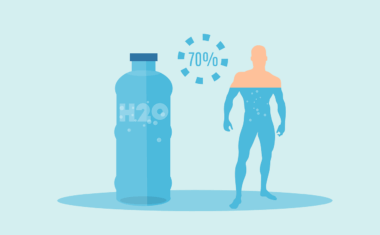
Hydration is a crucial component of body composition analysis, impacting various physiological functions. It involves ensuring that cells, tissues, and organs maintain their optimal water levels. Proper hydration is significant for metabolic processes, temperature regulation, and joint lubrication. Moreover, inadequate hydration can lead to decreased physical performance and impair recovery. During exercise, the body loses fluids through sweat, and attention to hydration is essential for athletes. It helps in maintaining cardiovascular stability and thermoregulation. Moreover, hydration plays a role in nutrient absorption and digestion, which are vital for supporting training regimens. In this context, it becomes crucial to analyze hydration fluctuations across different training phases. Factors influencing hydration status include exercise intensity, duration, environmental temperature, and the individual’s physiology. Therefore, monitoring hydration levels can enhance performance outcomes and body composition results. Implementing hydration strategies based on training phases may contribute to improved performance. Athletes often use body composition assessments that factor in hydration status, ensuring balanced interpretations. Understanding these fluctuations helps in optimizing hydration protocols to align with training demands. These protocols may include pre, during, and post-exercise hydration guidelines, which athletes should follow.
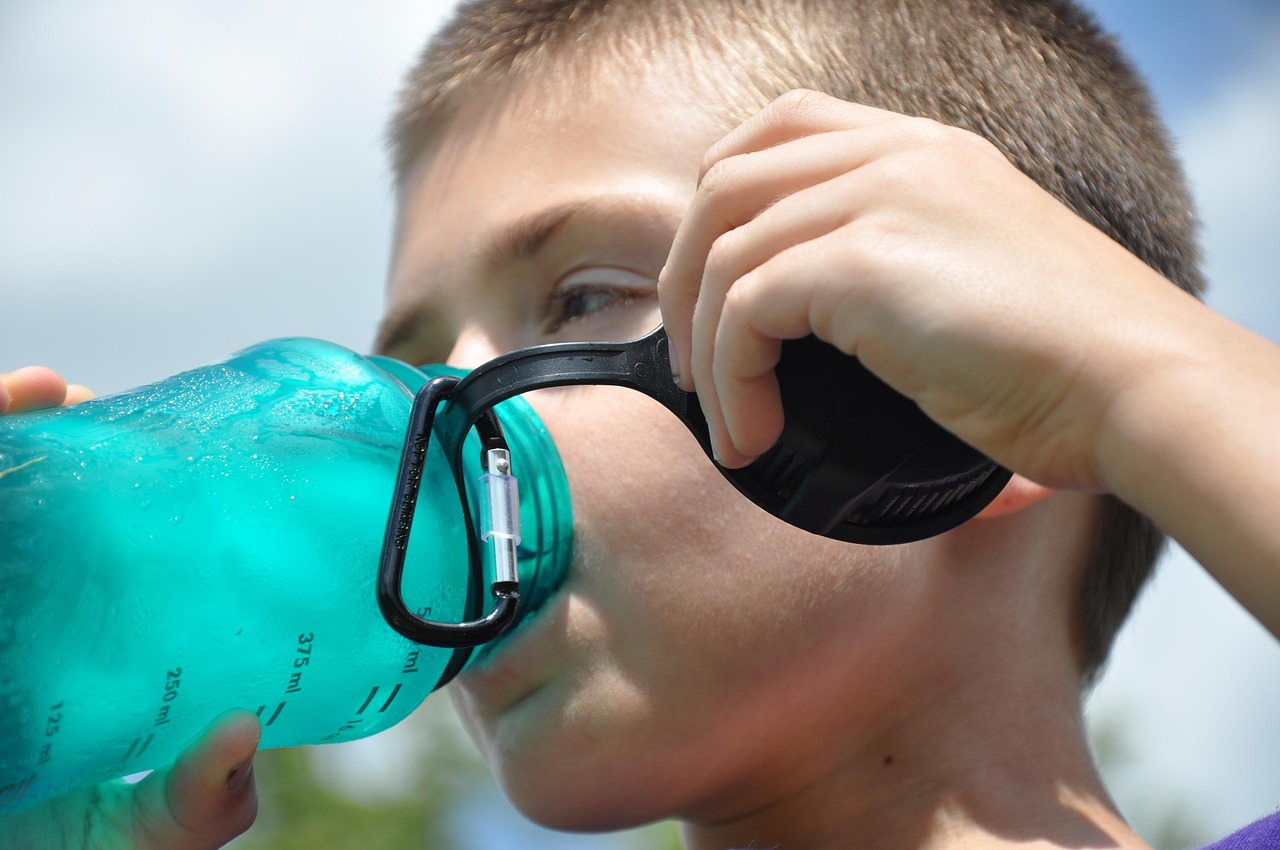
Optimal hydration status is essential for athletes during various training phases, impacting their performance significantly. One aspect worth exploring is how hydration fluctuations occur before, during, and after training sessions. In the pre-training phase, adequate hydration prepares the body for physical exertion. Ensuring the body retains sufficient fluids allows for efficient cardiovascular function. During workouts, hydration needs often increase due to sweat loss; thus, athletes should remain vigilant about their fluid intake. Post-training, replenishing lost fluids is equally critical to facilitate recovery and maintain body composition. Furthermore, it is essential to understand that hydration strategies may vary depending on individual needs. For example, endurance athletes may require different hydration tactics than strength trainers. Careful monitoring can reveal an athlete’s hydration status, making it easier to prevent dehydration-related issues. Specific methods, including urine color tests and bioelectrical impedance analysis, can help assess hydration levels. The implications of adequate hydration go beyond performance; proper fluid management also impacts overall health. Staying hydrated supports cognitive functions and mood regulation, aspects often overlooked in training. In summary, understanding hydration’s role across different training phases informs strategies for optimal athletic performance.
Hydration’s Role in Recovery
Recovery is a vital component of any training plan, and hydration plays a pivotal role in this process. After intense physical activity, the body experiences a significant fluid loss, which must be addressed to enhance recovery quality. Water assists in muscle repair and aids in the removal of metabolic waste produced during workouts. Therefore, athletes must focus on rehydrating effectively following training sessions. Consuming fluids containing electrolytes can further support recovery by restoring lost minerals. During this phase, utilizing effective hydration practices can promote muscle recovery and mitigate soreness. Properly hydrating after exercise can also fend off fatigue that typically follows training. Additionally, individualized hydration strategies help athletes rehydrate based on their specific needs, which vary according to the duration and intensity of their workouts. For instance, a more extended and rigorous workout will typically require more significant fluid replenishment. Regular hydration monitoring can guide athletes in adjusting their intake based on their body’s signals. Understanding hydration’s role in recovery not only enhances athletic performance but also promotes long-term health. Incorporating a post-training hydration plan facilitates better energy levels, mood stabilization, and overall well-being, positively influencing future training sessions.
Seasonal changes in training often lead to varying hydration needs for athletes, reflecting fluctuating environmental conditions. For example, hotter months demand extra caution for hydration management due to increased sweat losses. Athletes training outdoors might experience more significant dehydration risks during the summer months. Adequate fluid intake becomes critical in preventing heat-related illnesses. Conversely, in cooler conditions, athletes may not perceive the need for hydration as acutely, but hydration remains crucial for optimal performance. Understanding how factors such as temperature and humidity influence hydration is essential for every training phase. While athletes may have different responses to heat, many will lower their intake subconsciously. Reassessing hydration strategies becomes essential during seasonal transitions to maintain peak performance. Developing a habit of regularly consuming fluids before, during, and after exercise could result in better hydration awareness among athletes. Furthermore, implementing diversified hydration options such as electrolyte solutions and flavored water can enhance fluid intake. Creating an organized hydration schedule that corresponds with the training regimen can yield positive results. Staying attuned to these seasonal aspects can empower athletes to prepare thoroughly, leading to an overall more effective training approach.
Technological Innovations in Hydration Monitoring
Recent technological advancements have revolutionized hydration monitoring in athletes, providing objective data to inform hydration strategies. Wearable devices can track sweat loss, heart rate, and other metrics to give real-time feedback on hydration levels. These innovations allow for data-driven decisions regarding fluid intake throughout training phases. Athletes can utilize such wearable technology during workouts to ascertain when to rehydrate, aligning closely with individual needs. Smart water bottles equipped with sensors can also introduce a tech-savvy approach to tracking water consumption. These technologies promote hydration awareness and proactive engagement in athletes’ performance improvement. Furthermore, data collected from these devices can help coaches formulate effective hydration protocols based on specific training demands. Analyzing trends in hydration data over time can enhance understanding of patterns that impact overall health and performance. Personalized hydration plans generated from these insights contribute to maximizing athletic output. Adoption of these technologies represents a progressive step towards optimizing hydration status during various training periods. Athletes equipped with comprehensive hydration insights are better positioned to thrive in their competitive environments, enhancing performance while maintaining health.
Consultation with sports nutritionists provides athletes with tailored hydration strategies essential for each training phase. These professionals can assess individual hydration needs based on activity type, intensity, and duration. By considering the athlete’s weight, sweat rate, and training schedule, a sports nutritionist can create a customized hydration plan. Addressing specific hydration concerns can significantly enhance performance and overall health. Athletes often face challenges in maintaining hydration, especially during intense training periods. By collaborating with a sports nutritionist, it becomes possible to identify areas requiring improvement while implementing effective strategies. Furthermore, athletes benefit from ongoing education regarding hydration practices tailored to their specific needs. Supplemental hydration options, such as sports drinks and electrolyte-rich snacks, can also be explored with the guidance of nutritionists. Regular check-ins can encourage accountability and yield better adherence to hydration protocols. Educational workshops and seminars can help athletes understand the importance of hydration status within the broader scope of their training routines. Consequently, partnering with nutritionists not only enhances hydration management but improves athletic performance, leading to overall success. The integration of science-backed hydration strategies into daily practices returns significant benefits.
The Future of Hydration Strategies
Hydration strategies will continue evolving as research sheds light on the vital role of fluids in athletic performance. Innovations ranging from personalized hydration solutions to advanced bio-monitoring devices are likely to become more commonplace. Continual advancements may also offer deeper insights into hydration physiology’s intricacies. Moreover, with a greater emphasis on health and wellness, the implications of hydration status extend beyond athletic performance into the realm of general health. As awareness spreads regarding optimal hydration practices, athletes can look forward to benefiting from emerging technologies. Trends may include integrating hydration education into training programs from an early age, fostering lifelong healthy habits. In addition, collaborations between scientists, trainers, and nutritionists can result in more refined hydration guidelines. As feedback loops become more streamlined through technology, athletes can monitor their hydration status in real-time. The pursuit of optimal hydration will also align with broader trends in athletic performance, emphasizing holistic well-being. Ultimately, as a deeper understanding of hydration develops, athletes will cultivate a comprehensive view of their training journeys. Hydration’s role will increasingly become recognized as foundational not just for success, but for overall health and performance vitality.
Continual advancements in hydration strategies will benefit both athletes and coaches, encouraging the development of protocols that align with enhancing performance. Establishing reliable hydration habits from early training phases will furnish athletes with necessary tools to manage their fluid intake effectively. Improvements in research methodologies provide a solid foundation for exploring how hydration strategies evolve based on different training needs. Engagement in academic studies and practical applications will yield guidelines that can transform the athletic landscape. Through a collective commitment to optimizing hydration strategies, envisioned results may enhance performance, thwart injuries, and promote well-being. The complexity of hydration dynamics in body composition analysis highlights the interconnectedness between hydration status and overall health outcomes. Such insights reinforce the necessity for continuous education and professional guidance. As athletes increasingly recognize hydration’s significance in fuel management, a shift towards prioritizing hydration will likely emerge. Emphasizing a proactive approach to hydration will empower them to make informed decisions ahead of athletic events and training sessions. Incorporating hydration education into regular training regimens can encourage athletes to be more self-aware. The future of hydration strategies will focus on establishing holistic methods through collaboration, research, and innovation.