
Encouraging Family Involvement to Boost Senior Fitness Motivation
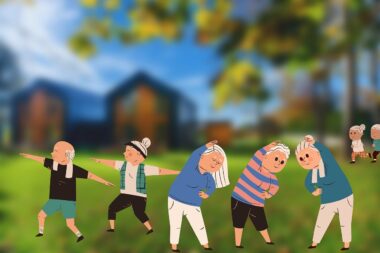
Fitness motivation for seniors can significantly improve with family involvement. Engaging family members creates a support system, which is vital for encouraging physical activity among older adults. Family encouragement can take various forms, from offering companionship during exercises to arranging active outings. Such joint activities are beneficial for both seniors and their families while promoting a healthier lifestyle. Consider organizing regular family fitness events, like walking or biking, as these activities foster stronger bonds. Also, exploring new activities together can introduce seniors to fresh fitness ideas. Engaging family members as workout partners enhances accountability and motivation. Utilizing technology, such as fitness apps, also allows family members to track their senior’s progress together. Sharing achievements and setting collective goals enhances the experience. Moreover, family gatherings can include fitness-related discussions and planning. Positively reinforcing seniors’ efforts through comments and recognition can boost their confidence. Scheduling regular check-in calls or messages about fitness can remind them of importance and commitment. Ultimately, family involvement transforms fitness into a rewarding experience, empowering seniors to thrive physically and emotionally.
Additionally, fostering intergenerational activities can promote senior fitness motivation. By involving younger family members, seniors may feel more energized about fitness. It provides an opportunity for seniors to share their wisdom while learning from younger generations. Scheduled activities may include family game nights centered around physical challenges like charades or dance-offs. These types of fun activities can uplift spirits while encouraging movement. When seniors engage with grandchildren, they often discover newfound energy and enthusiasm for fitness. Emphasizing playful competition among family members can also encourage seniors to participate actively. Choosing group exercises catering to different skill levels ensures everyone feels included. For instance, family hikes with varying trail difficulties can accommodate different fitness levels. Remember, the focus should always be on fun rather than performance. Regular family fitness challenges can be created to stimulate a healthy rivalry. This time spent together contributes to quality family bonding while promoting fitness. Observing family members who prioritize physical activity may inspire seniors to adopt a more active lifestyle. Create traditions around fitness to encourage participation and accountability. Involving family throughout this journey ensures fitness becomes a fun, long-term commitment.
Building a Supportive Environment
Creating a supportive environment at home positively impacts senior fitness motivation. Family members can contribute by offering encouragement while also arranging accessible workout spaces. Decluttering areas can make it easier for seniors to execute exercises, reducing risks of injury. Designating an area in the house for exercises can help seniors integrate physical fitness seamlessly into their routine. However, it’s equally crucial to choose suitable and safe exercises tailored for seniors. Family involvement can lead to exploring new classes that cater to adaptive necessities for older adults. By embracing the importance of unity in fitness, families can progressively create a culture that values health and wellness. They can even set fitness goals together, thereby holding each other accountable. For instance, sign up collectively for a local fun run or walk. Participating in community events helps seniors stay connected while engaging with their local environment. Encouraging outdoor exercises, such as walking in parks, promotes physical and mental wellness. Creating an engaging and motivating atmosphere ensures seniors feel supported. When family members are actively involved in promoting fitness, seniors experience both encouragement and affirmation. Thus, this collective effort leads to better health outcomes for everyone.
Moreover, adapting fitness activities to seniors’ preferences increases their motivation. Family members should actively ask seniors about their interests when selecting exercises. Incorporating activities seniors enjoy will significantly enhance their willingness to participate. For some, gardening may serve as an enjoyable physical exercise. Others may prefer swimming or dancing to maintain an active lifestyle. Creating opportunities to incorporate personal preferences encourages seniors to take ownership of their fitness journeys. Exploring different classes together can also create excitement about trying something new. When family members invest time in understanding seniors’ likes and dislikes, they create a collaborative approach fostering motivation. Before starting, learning about modified exercises available for seniors would be beneficial. Family members who engage in research about options for seniors can further enhance their support. They can also share interesting articles, tips, and success stories to encourage their seniors actively. Building a greatest transformation story around each senior can provide the necessary internal motivation. Family members can create scrapbooks or digital portfolios showcasing milestones. This approach celebrates progress and influences seniors positively. Collectively working towards fitness assessments sustains the engagement and enthusiasm surrounding fitness.
Combining Fitness with Social Activities
Incorporating social activities into fitness routines can enhance motivation significantly for seniors. Many older adults thrive on companionship, so integrating social settings into physical activities serves two purposes. Family members can organize group outings that prioritize both fitness and social interaction. Taking walks in groups or participating in light fitness classes can engage a larger circle. Such opportunities allow seniors to connect with others while remaining active. Family hosting gatherings that feature dance or movement games can inspire fitness activity along with socializing. Regularly scheduled family dinners focusing on healthy fare also encourages discussions about healthy lifestyles. Engaging the whole family not only gains attention towards maintaining fitness but also highlights enjoyment in cooking nutritious meals together. Recognizing that social connections are essential for emotional health, families can arrange fitness-based community events. These outings can link services available for seniors to promote physical activity. Finding local meetups incorporates friends, family, and others while catering to their fitness goals. As seniors become more involved in group activities, motivation naturally increases. When balance between fitness and enjoyment exists, seniors find it easier to maintain fitness habits too.
In conclusion, fostering family involvement can substantially increase senior fitness motivation. A united effort dedicated to promoting fitness enables seniors to feel valued and accountable. Daily encouragement and recognition prompt seniors to embrace physical activity more willingly. Families engaging in open conversations about fitness offer vital emotional support, ensuring older adults remain active. Practical adaptations to ensure comfort during exercises can significantly enhance participation rates. Implementing regular fitness check-ins and commitments assists in tracking progress. Moreover, celebrating milestones can boost confidence and sustain motivation levels. Other people’s presence often encourages adherence to fitness routines as well. Families integrating technology like video calls into fitness practices can keep seniors engaged long-distance. Family members can also focus on creating opportunities for peer-led social exercises, further enhancing connectivity. As seniors experience improved wellbeing through fitness, family involvement nurtures emotional and mental health. Providing opportunities for developing fitness habits leads to long-lasting legislation and growth. Encouraging family participation in celebrating fitness victories fosters a culture embracing health. Therefore, a determined family approach towards senior fitness motivation cultivates a thriving lifestyle of wellness. The result benefits families as much as it reflects positively on seniors.
For families keen on maximizing these efforts, ensuring fun is central. Many activities can be creatively designed to keep fitness enjoyable. From collaborative exercise schedules to friendly competitions, these methods amplify motivation among seniors. Families can look into books and guides focusing on senior fitness to inspire new routines too. Family chat groups may be established to share thoughts and suggestions on health improvements and ventures. Through these initiatives, families create shared experiences promoting healthy routines while evoking collective motivation. Combining regular family fitness meetups with nutritional cooking sessions fosters holistic approaches toward wellness. Ensuring all family members stay engaged serves as a platform for mutual motivation. Sharing personal experiences about fitness accounts can connect generations while nurturing collective goals. As families embrace new physical ventures together, they also greater function as role models. This healthy environment builds a foundation for sustainable fitness habits within households. Revisiting fitness plans each season can work wonders, adapting to changing preferences and experiences. Ultimately, focusing on joint participation sustains senior fitness motivation effectively. It ensures everyone is respected and valued through collaboration among family members. By placing an emphasis on family, the legacy of fitness can flourish across generations.