
The Role of Daily Flexibility in Rehabilitation
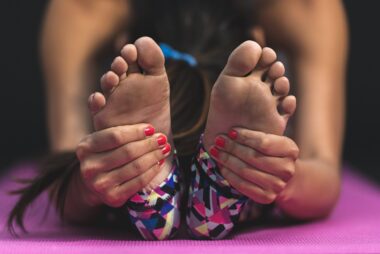
Flexibility and mobility are critical components of any effective rehabilitation program. Daily flexibility routines can significantly improve muscle elasticity and joint range of motion. These routines help in reducing stiffness and promoting better movement patterns. Moreover, incorporating flexibility training into daily routines can also enhance overall performance in various activities, thereby facilitating quicker recovery. A structured daily flexibility routine includes a variety of techniques, such as static stretching, dynamic stretching, and foam rolling. Static stretches focus on maintaining a stretch for a period of time, which helps in lengthening muscle fibers. On the other hand, dynamic stretching involves active movements that help warm up the muscles and prepare them for exercise. Additionally, foam rolling can aid in myofascial release, targeting tight areas in the muscle and promoting increased blood flow. These methods, when consistently applied, not only contribute to enhanced flexibility but also reduce the risk of injury during physical activities. Incorporating these practices into daily routines may significantly empower individuals during their rehabilitation process. Every individual must tailor these routines to their personal conditions and goals to achieve the desired outcomes.
One of the key benefits of daily flexibility routines is injury prevention. Many injuries occur due to tight muscles or imbalances. Regular stretching helps to maintain muscle length and proper alignment. This, in turn, reduces the risk of strains or sprains. When muscles are more flexible, they can absorb impact better, thereby providing greater stability and support. Furthermore, flexibility training can improve posture, which is vital in preventing overuse injuries, especially for those with demanding physical jobs or athletes. Specific flexibility exercises, including hamstring stretches, quadriceps stretches, and hip openers, can target tight areas that commonly lead to injuries. Improved flexibility enhances circulation to various muscle groups, supporting overall health and wellness. As such, these exercises should be regarded not only as rehabilitation tools but as essential practices for maintaining long-term physical health. It’s crucial that both conditioned and unconditioned individuals integrate flexibility training into their lives. Utilizing resources like professional trainers or instructional videos can help devise an appropriate routine. As everyone has unique needs, working with a knowledgeable practitioner allows for tailored guidance to maximize benefits.
Improved Movement Efficiency
Incorporating daily flexibility routines plays a substantial role in enhancing movement efficiency. When muscles maintain optimal flexibility, individuals experience smoother and more coordinated movements. This efficiency can drastically improve performance in sports and daily activities. Enhanced mobility also means better energy conservation during physical tasks, resulting in less fatigue over time. Practicing these flexibility techniques regularly may help strengthen mind-muscle connections, anchoring body awareness. A more aware individual can anticipate movements better, adjusting posture and technique accordingly. This synergy reduces the chances of clumsy movements that usually lead to injury. For athletes, daily flexibility training can translate into quicker start times and improved overall competitiveness on the field. Developing personalized flexibility plans, inclusive of both upper and lower body stretches, contributes to a well-rounded program. Incorporating various stretching modalities like PNF stretching, where partners assist one another, may yield faster improvements in flexibility. Ultimately, it’s essential to monitor progress and adjust routines accordingly to ensure continual improvements in flexibility and mobility. Regular assessments allow individuals to tweak their regimen to suit changing physical needs over time.
Another significant aspect of daily flexibility routines is the enhancement of circulation. Flexible muscles respond by enabling better blood flow to various muscle groups. Improved circulation delivers oxygen and nutrients more efficiently while also aiding in quicker recovery from physical activities. This is particularly vital for individuals undergoing rehabilitation, as better circulation can reduce muscle soreness and stiffness. Engaging in flexibility exercises promotes the lymphatic system’s effectiveness, helping the body eliminate metabolic waste products. Improved circulation not only benefits physical performance but also has a positive impact on mental well-being. As individuals experience enhanced vitality and energy levels, they may find engagement in rehabilitation more enjoyable and less daunting. Alongside the physical benefits, regular flexibility routines encourage discipline and commitment, serving as building blocks for routine formation. Choosing to integrate mobility and flexibility exercises into daily life cultivates a sense of accomplishment, gradually turning rehabilitation into a less arduous journey. Many find solutions like yoga or Pilates beneficial, utilizing their full range of motion to encourage both mental and physical flexibility. Varied approaches may cater to different individual preferences and physical challenges.
Mind-Body Connection
Daily flexibility routines also serve to strengthen the mind-body connection, encouraging individuals to be more present during their rehabilitation. This connection is crucial, as awareness enhances one’s ability to achieve flexibility goals. By focusing on each stretch and movement, practitioners cultivate mindfulness, which can significantly improve overall mental health. Mindfulness practices are known to reduce stress, and incorporating them with physical routines can enhance their effectiveness. Attention to breath during stretching exercises amplifies emotional and psychological benefits, as it promotes relaxation and reduces tension. As individuals become more attuned to their bodies, they may notice areas of tightness or discomfort that need attention during rehabilitation. This heightened awareness empowers individuals to modify their routines based on perceived limitations or pain points. Setting goals enhances motivation and encourages adherence to routines, creating a proactive stance towards recovery. Including visualization techniques may also support individuals in envisioning successful movements and desired outcomes. A flexible mind, just as much as a flexible body, fosters resilience and adaptability in overcoming physical challenges. Consistent practice solidifies these benefits, helping individuals transition into lifelong wellness advocates.
Engaging in flexibility routines offers an opportunity to promote community and support networks. Finding a partner or group focused on flexibility can enhance motivation and accountability. Environments that encourage flexibility practices often provide structured sessions, fostering a sense of belonging. Individuals may discover valuable tips and techniques through shared experiences and insights from others striving for similar goals. Classes or workshops, whether in person or virtual, can facilitate connections while building strong, supportive relationships. Moreover, as participants observe each other’s progress, they motivate one another to stay committed to recovery and wellness journeys. A collective approach builds upon the individual journeys, creating shared successes. These interactions may lead to the exchange of ideas, diversifying routines and expanding the variety of techniques individuals can apply. Emphasizing group dynamics, such as including challenges or team goals, strengthens commitment and may drive participation. Setting collective milestones further cultivates unity and rapport amongst participants. With increased camaraderie, individuals not only achieve flexibility goals but also foster lasting friendships. Consequently, the rehabilitation experience evolves into an enjoyable journey rather than a chore, making daily routines sustainable.
Conclusion: Embracing Daily Flexibility
In summary, daily flexibility routines are essential for effective rehabilitation. They not only enhance physical benefits but also offer a holistic approach that includes mental and emotional well-being. Individuals who embrace these routines typically experience reduced injury risks, improved movement efficiency, and stronger mind-body connections. Enhancing circulation supports healing processes, making recovery smoother and more efficient. As individuals integrate these essential practices into daily lives, they become advocates for their wellness journeys. Finding the right balance in flexibility training encourages consistency and progress across various skill levels. Encouragement from peers and professionals can significantly enhance adherence to routines. It is important to remember that each individual may require tailored approaches to best fit their unique needs. Hence, experimentation with various techniques is vital to determine the most effective combinations. Visualizing improvements and celebrating small victories can sustain motivation throughout the rehabilitation process. Overall, the commitment to daily flexibility routines cultivates resilience and empowers individuals to regain control of their physical lives. Through dedication, flexibility becomes not only a tool but a way of life, ultimately benefiting holistic health for years to come.
Flexibility and mobility are critical components of any effective rehabilitation program. Daily flexibility routines can significantly improve muscle elasticity and joint range of motion. These routines help in reducing stiffness and promoting better movement patterns. Moreover, incorporating flexibility training into daily routines can also enhance overall performance in various activities, thereby facilitating quicker recovery. A structured daily flexibility routine includes a variety of techniques, such as static stretching, dynamic stretching, and foam rolling. Static stretches focus on maintaining a stretch for a period of time, which helps in lengthening muscle fibers. On the other hand, dynamic stretching involves active movements that help warm up the muscles and prepare them for exercise. Additionally, foam rolling can aid in myofascial release, targeting tight areas in the muscle and promoting increased blood flow. These methods, when consistently applied, not only contribute to enhanced flexibility but also reduce the risk of injury during physical activities. Incorporating these practices into daily routines may significantly empower individuals during their rehabilitation process. Every individual must tailor these routines to their personal conditions and goals to achieve the desired outcomes.