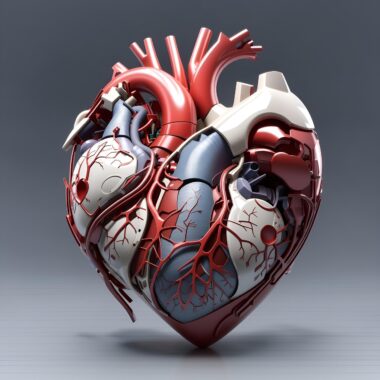

The Connection Between Adaptive Fitness and Heart Rate Improvement
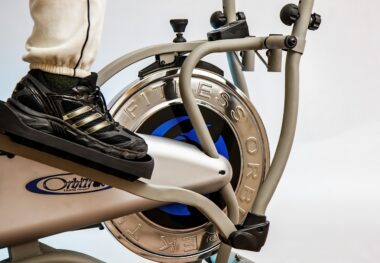
Adaptive fitness is not just for those who face daily challenges; it plays a crucial role in improving cardiovascular health and overall physical well-being. It includes activities tailored to individual needs, enhancing heart rate and improving stamina. Various studies highlight the importance of tailored programs that consider personal abilities, health conditions, and goals, fostering a positive relationship with physical fitness. Engaging in adaptive fitness routines can lead to significant improvements in heart rate variability, thereby reducing the risk of heart diseases. Furthermore, the customized approach ensures that exercises are safe yet effective. Individuals can engage in various activities, such as elliptical training, swimming, or chair aerobics, depending on their ability levels. This inclusivity guarantees that everyone can participate and improve their cardiovascular health. Regular participation in adaptive fitness initiatives contributes to endurance building, enhancing heart functionality over time. An improved heart rate response during exercise positively impacts recovery times and increases overall cardiovascular efficiency. This results not only in health benefits but also in increased motivation and adherence to fitness routines.
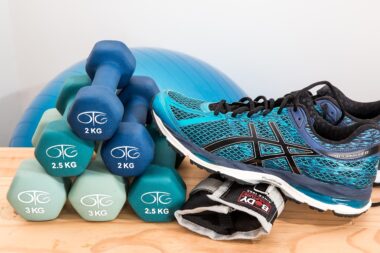
Within adaptive fitness for cardiovascular health, specific exercises can bring about measurable heart rate improvements. These exercises might include resistance training, flexibility exercises, and various forms of aerobic activities adapted to suit different needs. Evaluating a participant’s current fitness level is essential to creating a personalized adaptive fitness plan. This evaluation often leads to achieving better-targeted goals, striking a balance between intensity and enjoyment. For instance, low-impact cardio such as cycling can elevate the heart rate without overexertion, ensuring participants remain engaged and enthusiastic. Another essential component is warm-up and cool-down phases, which are crucial for maintaining heart health. They promote better circulation while preventing injury. These components allow the heart to operate efficiently, maximizing the benefits of the cardio workouts. Remaining flexible with routine changes also fosters a sense of challenge and creativity. This flexibility allows participants to adapt their exercises based on their progress, leading to continual heart rate improvements. The overall goal is to craft a balanced approach that enhances cardiovascular endurance, reduces fatigue, and boosts overall fitness enjoyment. Engaging in adaptive fitness allows individuals to reimagine their relationship with physical activity.
The Role of Heart Rate Monitoring
Monitoring heart rate during adaptive fitness sessions serves multiple benefits. It guides individuals to strike an optimal balance between exertion and safety, allowing for effective workouts without overdoing it. Utilizing heart rate monitors can provide valuable data to adjust exercise intensity, whether through wearable tech or smartphone applications. Individuals can identify their target heart rate zones, ensuring they are working within safe thresholds. This awareness fosters lasting motivation as improvements in heart rate efficiency are noted over time. Monitoring can also reinforce psychological benefits, allowing participants to celebrate progress with tangible evidence. When heart rate data aligns with personal fitness goals, it becomes a powerful motivator to stay committed. Moreover, keeping track of resting heart rate over time offers insight into overall cardiovascular health. A lower resting heart rate indicates improved heart function, showcasing the effectiveness of adaptive fitness routines. Maintaining consistency in workouts helps solidify gains made in cardiovascular fitness. This reinforces the importance of regular participation in adaptive sessions that balance challenge and adaptability, ultimately supporting sustained cardiovascular improvements.
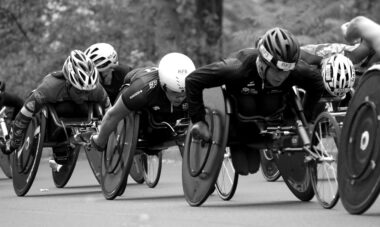
Incorporating various elements into adaptive fitness programs fosters a multifaceted approach to heart health. Flexibility, strength training, and cardiovascular exercises combined provide a comprehensive strategy to optimize overall well-being. Interval training, for example, alternates between periods of high intensity and rest, effectively challenging the heart and improving fitness in a short timeframe. Balanced routines featuring diverse activities keep participants engaged and highlight adaptations designed to benefit their heart rate. In addition to improved heart rate, adaptive fitness encourages psychological resilience and health awareness. Enhancing one’s physical capabilities directly influences self-esteem, creating a positive feedback loop. The social aspects of adaptive fitness spur motivation, as working with others fosters camaraderie. Supporting each other through shared challenges solidifies community, providing an invaluable network. Social engagement further enhances the mental and emotional components of fitness, particularly in those dealing with disabilities. Creating adaptive fitness classes invites inclusivity and encourages participants to pursue their health goals together. The sense of belonging strengthens bonds, promoting adherence to fitness routines, and resulting in shared successes in heart health and fitness achievements.
Community and Support in Adaptive Fitness
Community plays a vital role in the success of adaptive fitness programs. Engaging with supportive peers fosters a constructive environment, motivating individuals to push their physical limits in ways that honor their capabilities. Adequate support can also mean access to skilled trainers who specialize in adaptive methods tailored for individuals with varying abilities. These professionals facilitate positive experiences, ensuring that each participant feels empowered and encouraging growth. Workshops, classes, and group workouts create camaraderie and camaraderie among members who share similar goals. Evolving friendships through fitness journeys often translate into increased commitment to one’s health. Participants often encounter holistic benefits like improved cardiovascular health as they embark on this shared journey. Connecting with others reinforces accountability and celebrated milestones, further enhancing motivation. Additionally, support groups tailored for adaptive fitness can provide invaluable resources, exchanging tips and strategies to improve heart health. These connections forge lasting relationships that extend beyond fitness, nurturing emotional well-being. Thus, community-centered approaches to adaptive fitness yield multifaceted rewards, transforming lives while promoting well-being through heart-healthy practices.
Furthermore, addressing psychological elements alongside physical conditioning is crucial for accelerating heart health improvements. Individuals reach varying levels of confidence and comfortability when participating in adaptive fitness. Activities that build self-esteem the most, include skill-building workshops that emphasize achievements and talents. Celebrating personal victories, regardless of scale, reinforces value assignments attaching to fitness journeys. Educators and trainers serve as catalysts, promoting positive experiences. When individuals feel backed and acknowledged, their likelihood to engage consistently increases dramatically. Educational programs highlighting the impact of adaptive fitness on heart health raise awareness and foster dedicated involvement. Combining physiological movement with cognitive approaches empowers individuals to embrace adaptive fitness fully. They learn that improvements emerge not only from fitness but also from the support received from trainers and peers. This integrated understanding encourages long-term commitment to exercises that bolster cardiovascular health. Mindfulness practices integrated into workouts can ease anxiety. Whether through meditation or focused breathing, engaging in these practices can greatly improve heart rate regulation. The holistic approach to adaptive fitness emphasizes the necessity of addressing emotional well-being alongside physical health, leading to improved overall quality of life.
Conclusion: Embracing Adaptive Fitness
In conclusion, adaptive fitness for cardiovascular health demonstrates profound connections between tailored exercise programs and heart rate improvements. It embraces inclusivity, allowing individuals to engage meaningfully, regardless of ability. By focusing on heart health benefits, participants experience various advantages, leading to lifelong fitness commitments. Furthermore, monitoring vital signs and progress establishes clear pathways to achieve desired fitness levels. Incorporating diverse activities not only enhances physical improvements but nurtures a sense of community. Emphasizing social interaction offers participants emotional boosts, creating an environment conducive to partnering for success. The framework established through adaptive fitness encourages an ongoing dialogue about personal abilities while showcasing strengths. Psychological benefits also emerge through supportive networks, contributing to healthier self-image and self-esteem. Utilizing both physical and psychological approaches ensures comprehensive health benefits while addressing the complexities of each individual’s journey. This underlines the importance of embracing adaptive fitness as a crucial element in the pursuit of cardiovascular health. By celebrating progress and improvements, individuals cultivate joyful relationships with movement. The ongoing commitment to adaptive fitness builds resilience, strengthens heart health, and enhances overall life satisfaction.
Moving forward, it is essential to continuously advocate for adaptive fitness programs geared towards better cardiovascular health. Securing access to supportive communities and resources can dismantle barriers preventing individuals with disabilities from fully participating. It’s essential to engage stakeholders, from local gyms to healthcare providers, advocating for adapted fitness offerings. Training for fitness professionals on adaptive techniques lays the groundwork for inclusivity, ensuring everyone has opportunities to thrive. Additionally, raising awareness about adaptive fitness through social media and community initiatives can foster greater acceptance of diverse fitness journeys. Regular events showcasing success stories can inspire individuals. This creates an encouragement loop, cultivating engagement and motivation. Community outreach programs should strive to educate the public on the significance of adaptive fitness as beneficial to overall heart health. Proper education ensures that individuals are equipped to make informed decisions about their fitness paths. Lastly, securing partnerships with insurance companies to cover adaptive fitness services strengthens accessibility connections. By taking proactive steps to advocate for adaptive fitness, society creates a healthier future for all, emphasizing the importance of heart health, inclusive practices, and the transformative power of movement.