
Tailoring Warm-up Strategies for Open Water Swimmers
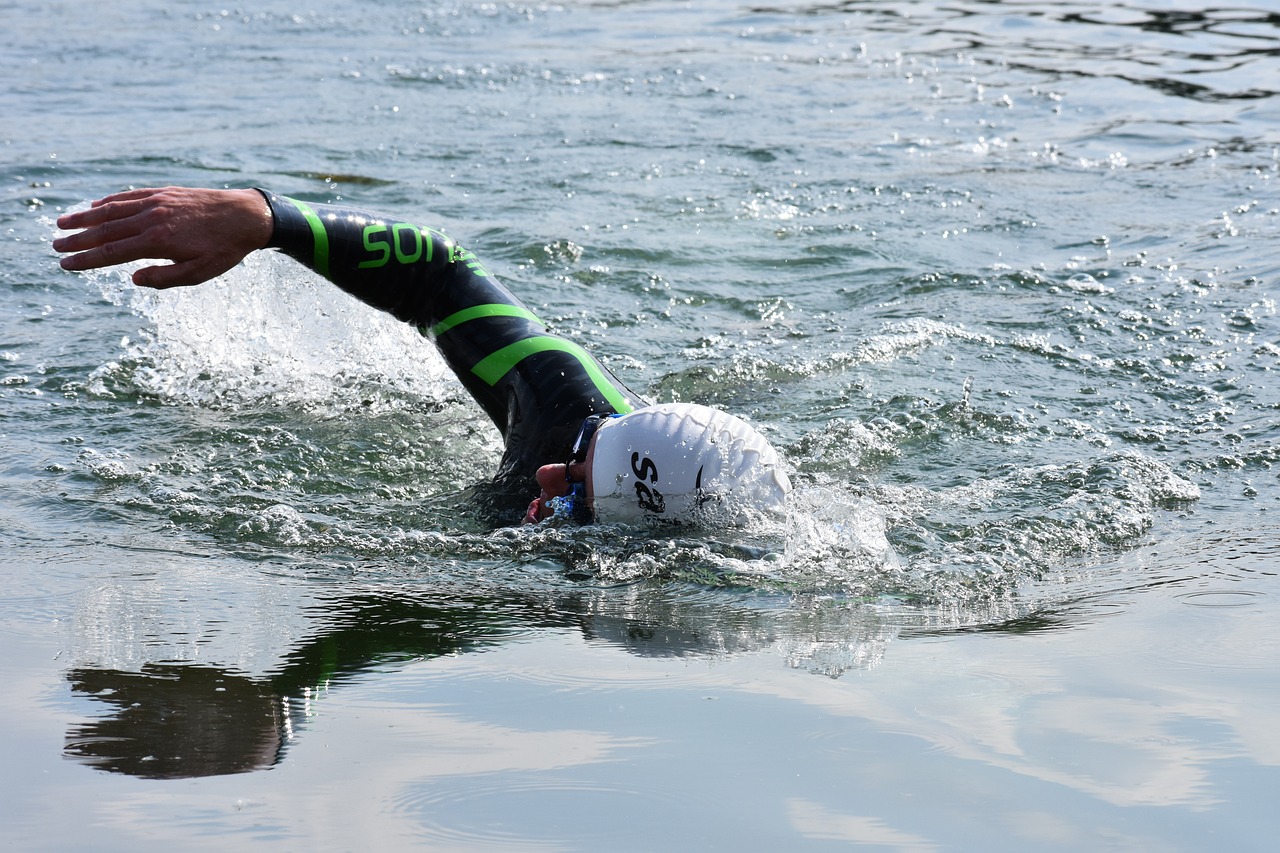
Open water swimming presents unique challenges that require tailored warm-up strategies different from pool swimming. To succeed, swimmers must prepare both physically and mentally for the varied conditions they may encounter. A proper warm-up is essential as it helps improve overall performance, enhances flexibility, and reduces the risk of injury. Swimmers should begin their warm-up routine on land, which may include dynamic stretching and mobility exercises to prepare the muscles for performance. In addition, engaging in sport-specific movements such as arm swings and leg kicks can increase heart rates effectively. Hydration is equally crucial — swimmers should ensure they are well-hydrated before entering the water, as it can impact their performance and endurance. It’s also beneficial to scout the swimming course before starting the warm-up, as this aids in identifying potential hazards like currents or obstacles. Incorporating psychological elements in the warm-up, such as visualization techniques, can also enhance overall readiness. To maximize effectiveness, warm-ups should ideally last between 15 to 30 minutes and be personalized based on individual strengths and weaknesses.
Once in the water, swimmers should begin with gentle, easy-paced strokes, gradually increasing their intensity. This process is vital as it familiarizes the body with the water temperature and environment. Swimmers should aim to perform specific drills focusing on breathing patterns, stroke technique, and body position, which can create muscle memory and establish a strong rhythm before the main event. Another effective strategy is to break the warm-up down into segments, such as freestyle followed by backstroke, ensuring all major muscle groups are activated. It’s important to take note of how the water feels and assess strokes for efficiency and ease. Keeping an eye on pacing also allows swimmers to become attuned to their body’s responses, letting them adjust as necessary. Additionally, warm-up routines can be adjusted according to weather conditions, with colder days requiring more extensive warm-ups. Swimmers must listen to their bodies throughout this routine, being cautious to avoid fatigue or overexertion before the competition. Focusing on breathing techniques during the warm-up can further enhance performance in open water settings.
Importance of Cool-Down for Open Water Swimmers
Cooling down post-swim is often overlooked but is equally vital for open water swimmers. A structured cool-down routine allows the body to recover systematically and can alleviate muscle stiffness and soreness. Similar to the warm-up, the cool-down should begin in the water, gradually tapering down the intensity of swimming. Swimmers should start with slower, more controlled strokes before finishing with gentle movements, promoting circulation and restoring heart rate to resting levels. It’s essential to incorporate breathing exercises during this phase to enhance relaxation and to help release lactic acid build-up. After exiting the water, swimmers should continue their cool-down on land by focusing on static stretches targeting major muscle groups utilized during swimming. This practice increases flexibility and aids in recovery time. Post-swim hydration and nutrition are paramount, as they replenish energy levels depleted during the swim. Consider consuming a balanced snack containing carbohydrates and protein within 30 minutes after swimming. Additionally, reflection on the swim experience during the cool-down can foster improvement for future swims.
Incorporating mental relaxation techniques into the cool-down can provide significant psychological benefits. Swimmers can practice mindfulness, allowing them to focus on their breathing and feelings experienced during the swim. This mental decompression aids in processing the swim experience and identifying areas for improvement. With competition, the anxiety of open water swimming can weigh heavily on a swimmer’s performance. Implementing visualization techniques in the cool-down, where swimmers envision their successful swims, reinforces positive mental states. The cool-down should ideally last around 10 to 20 minutes, allowing ample time for both physical and mental recovery. Tracking progress is also essential; swimmers should take notes on their warm-up and cool-down experiences to adjust strategies accordingly in future training sessions. These adaptations can help swimmers optimize their performance. Swimmers should seek feedback from coaches or fellow athletes about their warm-up and cool-down routines. Learning from different perspectives may uncover new techniques or variations that could enhance individual practices. Over time, these adjustments lead to improved performance and comfort in the open water environment.
Incorporating Dry-Land Exercises for Warm-ups
In addition to water-based warm-up strategies, integrating dry-land exercises can enhance overall preparation for open water swimming. Dry-land exercises activate the core, improve strength, flexibility, and overall stability, essential for long-distance swimming. Bodyweight exercises, such as push-ups, lunges, and planks, focus on core and upper body strength, contributing significantly to swimming efficiency. Incorporating resistance bands into a routine can further target muscle activation for areas specific to swimming strokes. As part of a complete warm-up strategy, swimmers should also focus on flexibility training, particularly dynamic stretches targeting the shoulders, hips, and ankles. Exercises that mimic swimming motions can also be included in the routine, ensuring swimmers preserve technique and form. Core workouts, including exercises like Russian twists or leg raises, contribute to increased stability while swimming, ensuring better propulsion through the water. Properly structured dry-land warm-ups can help swimmers transition effectively from land to water. Swimmers should experiment with various dry-land strategies, discovering what works best for their individual needs. These personalized routines foster confidence and readiness to tackle the challenges of open water swimming.
Finally, the integration of technology can enhance warm-up and cool-down processes as well. Various apps and devices can track heart rate, distance covered, and even analyze techniques during workouts, providing valuable insights. This technology can assist in optimizing performance by allowing swimmers to monitor their progress over time. Additionally, video feedback during practice can reveal aspects needing improvement, whether they are strokes, breathing patterns, or body positioning. Some swimmers benefit from wearable technology that alerts them about their hydration levels and body temperature, ensuring they maintain the ideal conditions throughout their training. Overall, personalizing warm-up and cool-down strategies based on data-driven evidence creates a more sophisticated approach to open water swimming. Swimmers should actively seek out new methods and tools to make informed decisions about their training regimes. By utilizing modern technology alongside traditional warm-up and cool-down techniques, swimmers can maximize their potential and enhance their performances in open water races. This integration optimally prepares them physically and mentally for the competitions they engage in.
In conclusion, developing effective warm-up and cool-down strategies for open water swimming is crucial for optimal performance. The unique challenges swimmers face in open water conditions necessitate a tailored approach that addresses physical and mental preparedness. Swimmers should create routines that address their specific requirements, considering factors such as water temperature, course layout, and weather conditions. Encouraging practices such as dry-land exercises and technology integration can further enhance a swimmer’s performance. Both warm-up and cool-down routines should be thoughtful and executed consistently for maximum benefit. A swimmer’s dedication to their warm-up can have lasting effects on their overall performance during events. The same dedication should be observed during the cool-down, allowing athletes to recover effectively and prepare adequately for future swims. Finally, constantly evolving these strategies based on personal feedback and progress will enable swimmers to remain adaptable and competitive in changing environments. Their journey can be enriched significantly through thoughtful preparation, as it equips them with the tools they need to succeed in the thrilling, often unpredictable world of open water swimming.
Open water swimming presents unique challenges that require tailored warm-up strategies different from pool swimming. To succeed, swimmers must prepare both physically and mentally for the varied conditions they may encounter. A proper warm-up is essential as it helps improve overall performance, enhances flexibility, and reduces the risk of injury. Swimmers should begin their warm-up routine on land, which may include dynamic stretching and mobility exercises to prepare the muscles for performance. In addition, engaging in sport-specific movements such as arm swings and leg kicks can increase heart rates effectively. Hydration is equally crucial — swimmers should ensure they are well-hydrated before entering the water, as it can impact their performance and endurance. It’s also beneficial to scout the swimming course before starting the warm-up, as this aids in identifying potential hazards like currents or obstacles. Incorporating psychological elements in the warm-up, such as visualization techniques, can also enhance overall readiness. To maximize effectiveness, warm-ups should ideally last between 15 to 30 minutes and be personalized based on individual strengths and weaknesses.