
What to Eat Before a HIIT Workout: A Nutrition Expert’s Advice
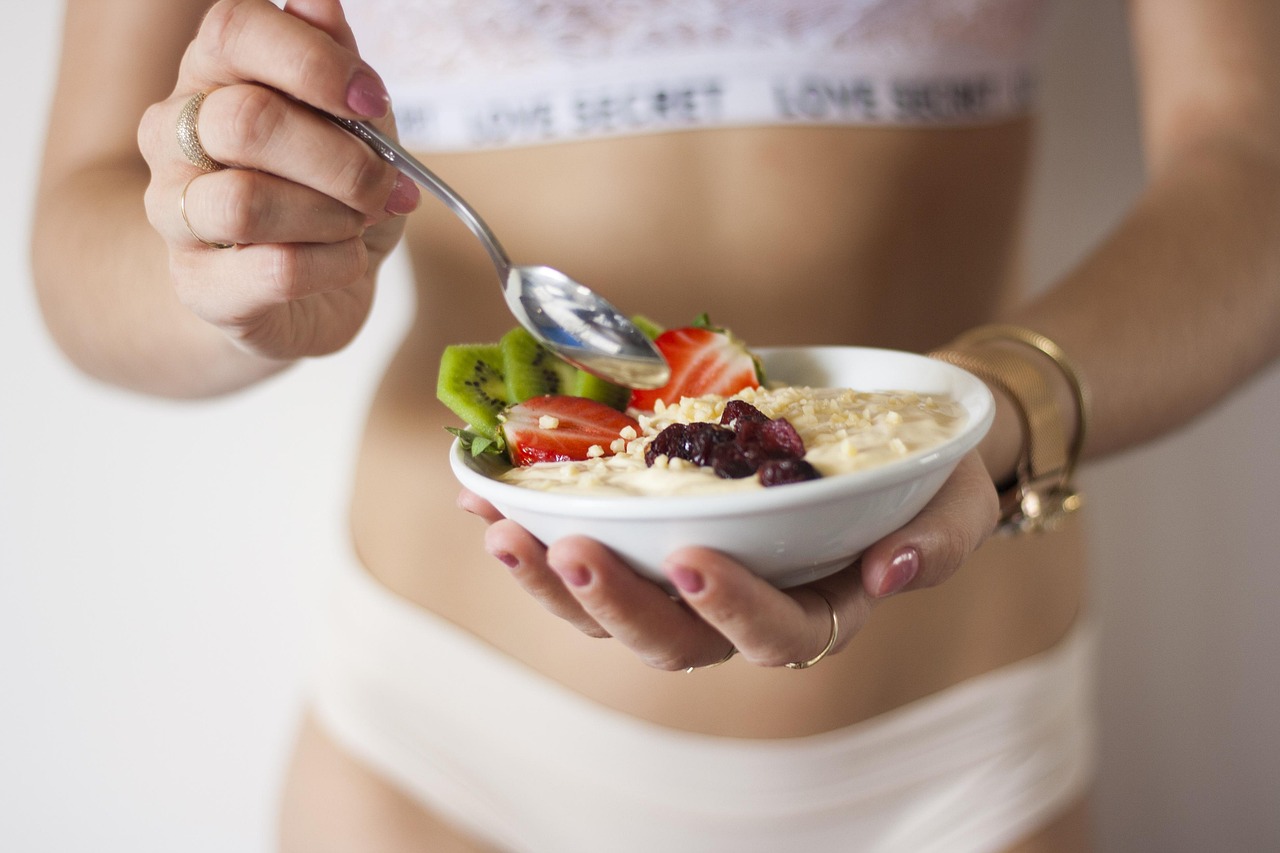
High-Intensity Interval Training, or HIIT, is a powerful workout that offers numerous benefits, including improved cardiovascular health and increased calorie burn. However, to maximize your performance during these intense sessions, what you eat before your workout plays a crucial role. Pre-workout nutrition for HIIT should focus on quick-digesting carbohydrates combined with a source of protein. This helps fuel your workout and maintains muscle mass, especially during prolonged training sessions. Foods such as bananas, oatmeal, or Greek yogurt are excellent options. These foods provide readily available energy, ensuring that you are well-prepared for your HIIT workout. Additionally, consider the timing of your pre-workout meal. Eating about 30 to 60 minutes before your session allows your body to digest and make nutrients available. Don’t forget to stay hydrated; drinking water is essential for maintaining performance and reducing fatigue. Ultimately, the right pre-workout nutrition enhances energy levels, leading to better workout performance. Always listen to your body, and adjust your food choices based on how you feel during training. With the proper nutrition in place, your HIIT sessions will become even more effective and enjoyable.
A balanced pre-workout meal should consist of carbohydrates, protein, and healthy fats, each playing a vital role before your HIIT workout. Carbohydrates are your primary fuel source and should comprise the bulk of your meal. Foods like sweet potatoes or whole grain bread provide complex carbs that yield a sustained energy release. Then, integrating a good quality protein source like chicken, turkey, or legumes can help in muscle repair and recovery. Healthy fats, while not the primary focus before HIIT, can still be beneficial in moderation. Options like avocados or nuts add flavor and essential nutrients, allowing for an overall well-rounded meal. Additionally, avoid foods high in sugar or saturated fats, as these can lead to energy crashes or gastrointestinal discomfort during your workout. Portion control is important too; too much food can weigh you down. Instead, focus on portion sizes that provide enough energy without overloading the stomach. Each individual’s tolerance varies, so experiment with different foods to find what works best for your body and activity level. This personalized approach will empower you to perform your best in every HIIT session, achieving your fitness goals efficiently.
Timing Your Meals for Maximum Impact
When considering pre-workout nutrition for HIIT, timing can greatly influence your performance levels. Eating a meal rich in carbohydrates and protein approximately 30 to 60 minutes before your workout optimizes energy availability. This timeline gives your body ample opportunity to digest the nutrients and convert them into energy. A small snack, like a banana or a rice cake with peanut butter, can be consumed closer to workout time. Consuming a more substantial meal requiring digestion should be earlier, as it ensures that your body has broken it down for energy. Alternatively, if your workout is scheduled for the morning, consider having a bigger dinner the night before, followed by a light breakfast that includes some carbs and protein. In contrast, working out later in the day can mean a heartier lunch, with ample time to digest before hitting the gym. Don’t overlook hydration as well; ensure that you are well-hydrated throughout the day leading to your training session. This combined focus on meal timing and composition will undoubtedly lead to improved results during your HIIT workouts.
Many individuals wonder what types of foods are optimal before their HIIT workouts, and the truth is that it can differ from person to person. Experiment with various quick-digesting carbohydrate sources to see how your body reacts. Options like rice cakes, simple oatmeal, or fruits are often easy to digest and provide sufficient energy. Protein bars can also be included; however, check the ingredient list to ensure they are not overloaded with sugar. Natural options such as hard-boiled eggs or a dollop of low-fat yogurt can be excellent snacks if consumed in moderation. Moreover, consider your overall daily nutrition; a diet rich in whole foods, vitamins, and minerals can elevate performance levels during those intense intervals. Incorporating omega-3 rich foods, like fish, and antioxidant-rich fruits will lend additional support to your recovery post-workout. Remember, it may take some time to identify the perfect snack or meal based on your unique metabolism and personal preferences. Stay patient throughout this process and listen to your body, and you’ll soon discover your optimal pre-HIIT nutrition plan.
Hydration: An Often-Overlooked Aspect
While food choice is critical, hydration is a key component of pre-HIIT nutrition that is often overlooked. Dehydration can severely affect your performance levels, leading to fatigue and decreased strength. Aim to drink water regularly throughout the day, ensuring hydration prior to your workout. A good rough guideline is to drink at least 17 ounces of water about two hours before your session and an additional 8 ounces right before starting. If you’re engaging in longer HIIT workouts, consider sports drinks that contain electrolytes to help replenish what is lost through sweat. Beware of consuming too much liquid right before working out, as this can lead to discomfort. After your workout, ensure you continue to hydrate, as recovery is just as important as preparation. Including water-rich foods, such as cucumbers or oranges, can also contribute to your daily hydration needs. This attention to hydration will not only enhance your workout performance but also aid recovery, ensuring you feel great after your training session. Remember, being properly hydrated is vital for any athletic activity, especially during the demanding nature of HIIT workouts.
After understanding how to fuel your body before HIIT, it’s equally important to pay attention to the post-workout recovery foods. Refueling your body after intense exercise is crucial for muscle recovery and energy restoration. Consider consuming a post-workout meal that combines proteins and carbohydrates, such as a protein shake with a banana or a bowl of rice and grilled chicken. The perfect post-HIIT meal should be ingested within two hours of finishing, as this is when your muscles are most capable of absorbing nutrients. This meal serves critical to replenishing glycogen stores that were depleted during the workout and aids in the muscle recovery process. Don’t neglect the importance of hydration during recovery either; continue drinking water or electrolyte-rich fluids. The total sum of your nutrition throughout the entire day matters just as much as your pre- and post-workout meals. Therefore, ensure that you keep a watch on your nutritional intake during the day, focusing on balanced meals throughout and not just what is consumed around workouts. This holistic approach will help you achieve better fitness outcomes over time.
Key Takeaways for Effective Pre-Workout Nutrition
To wrap up, the essence of effective pre-workout nutrition for HIIT is about understanding food timing, selection, and hydration. Every individual may react differently to various foods, and thus, experimentation is vital to find your unique combination. Focus on quick-digestible carbohydrates as your primary energy source, supplemented with a modest amount of protein. Avoid high-fat and high-fiber meals right before your workout to prevent potential gastrointestinal discomfort. Hydration is equally paramount; drink consistent water throughout your day, ensuring you stay hydrated for optimal performance. Remember, both pre- and post-workout meals are essential in giving your body the necessary fuel and nutrients it requires. As you refine your pre-workout nutrition strategy, monitor your energy levels and performance outputs during HIIT. This ongoing adjustment process will ensure that you maximize your training effectiveness. Adopting this informed approach to nutrition will ensure that your HIIT workouts lead to impressive results, helping you achieve your fitness objectives sustainably. Always keep in mind that proper nutrition is a powerful ally in your journey toward enhanced physical fitness.