
Dance Fitness Strategies to Regain Flexibility and Range of Motion
Dance fitness is an enjoyable way to motivate your body into movement while working toward rehabilitation goals. For individuals struggling with flexibility due to injuries or surgeries, integrating dance-based exercises into their rehabilitation routine can significantly enhance their recovery process. These activities should focus on gentle, rhythmic motions that allow the body to stretch and relax without any undue strain. Importantly, dance fitness encourages repetition, which helps increase range of motion over time. Many forms of dance also offer low-impact exercise options that are gentle on the joints, crucial for rehabilitation. Utilizing varied tempos in music can guide participants through their movements while ensuring the workouts remain engaging. A well-structured session might include warm-up routines, core strengthening exercises, and cooldown segments. Enthusiastic group settings can foster a sense of community and accountability among participants, motivating them to persist through their rehabilitation journey. This sense of belonging can significantly alter the recovery experience. Overall, embracing dance as a primary rehabilitation tool can inspire hope while nurturing the body back to health.
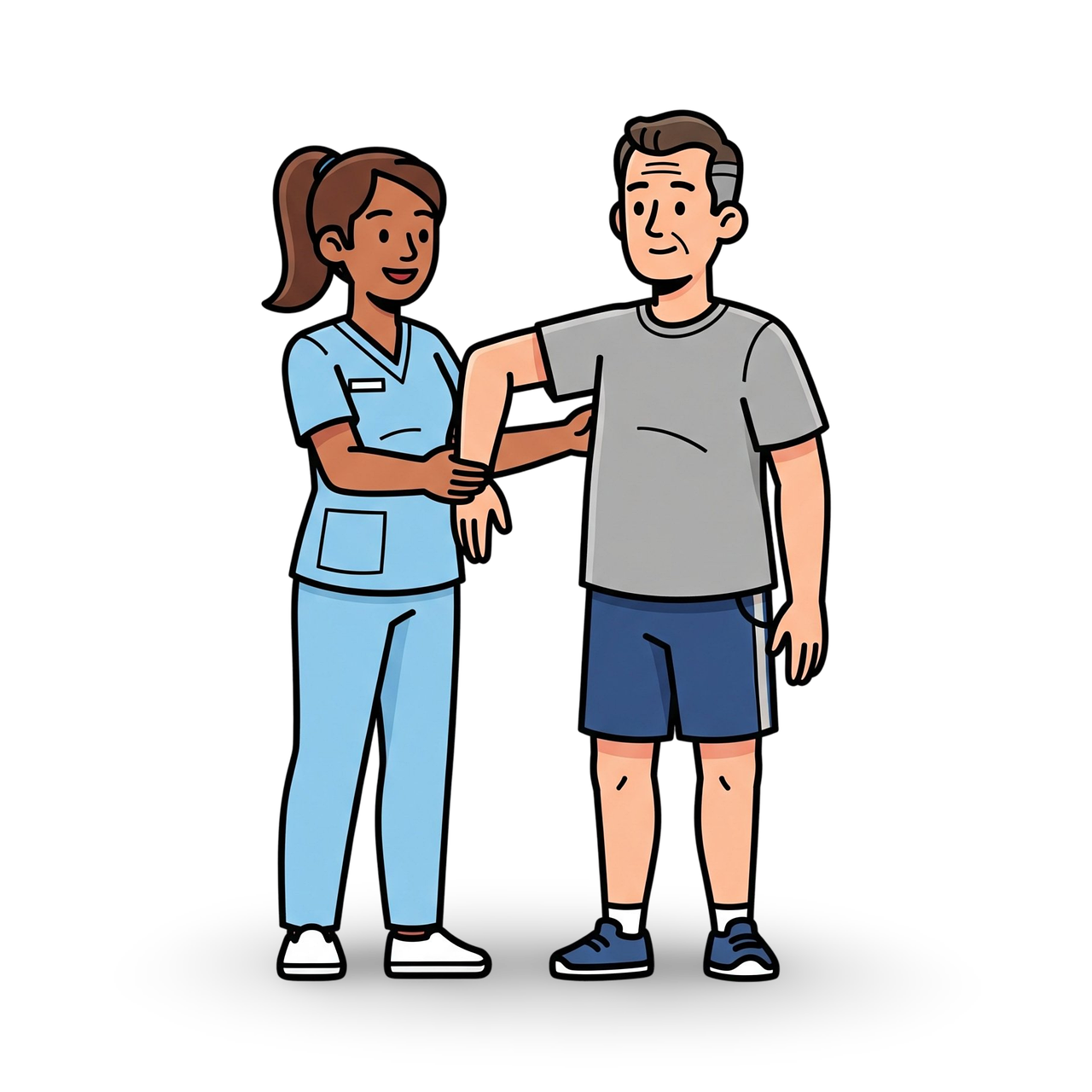
To effectively integrate dance fitness into rehabilitation strategies, a comprehensive assessment of the individual’s current physical condition is vital. Understanding limitations or restrictions is essential for tailoring dance workouts that will be both safe and beneficial. Consulting with healthcare professionals—such as physical therapists—will ensure a structured approach to recovery. Individuals must start at their own pace, embracing modifications as needed, such as utilizing chairs for support during specific movements. Various dance styles, including jazz, hip-hop, or salsa, can be adapted to meet rehabilitation needs. Incorporating breathwork and mindfulness into sessions enhances body awareness, resulting in improved movement quality. Additionally, reach out to local dance studios, as many instructors are experienced in teaching adaptive dance classes suitable for various expertise levels. Keeping workouts varied prevents boredom and plateaus, essential for maintaining motivation. Establishing achievable short-term goals will also boost confidence, especially when individuals notice their improvement in flexibility and motion range over time. Consider utilizing props, such as resistance bands for strength training while dancing. Regular participation in these classes will enhance not only physical health but also emotional well-being, making the experience fulfilling.
Creating a Structured Dance Fitness Program
A structured program should include progressively challenging routines tailored for the rehabilitating individual’s needs. Start with a clear outline of session objectives, focusing initially on gentle movements that enhance flexibility and balance. A successful structure often involves warm-ups, main workout sections, and cooldowns. Engaging participants in a fun way can encourage adherence to the program over time. Recommended warm-up activities could include lightweight stretching to increase circulation, followed by movements like arm circles and hip sways. The main section can consist of choreographed sequences focusing on various body parts that include pelvic tilts or core strengthening exercises, promoting stability and strength. Cooldown routines must not be overlooked; they are just as critical for muscle recovery, incorporating slower-paced movements and stretches. Encourage participants to incorporate breathing techniques during cooldowns to relax and unwind. Reassess progress after several weeks, adopting a flexible approach to adjust practices based on feedback or any discomfort. Having progress cards can be motivating as individuals track their enhancement in flexibility and motion range. Overall, consistent participation is key to maximizing rehabilitation and enhancing overall health.
In addition to structured dance classes, incorporating dance into daily life can also accelerate rehabilitation. Simple actions, such as putting on music and dancing at home, allow individuals to sustain engagement without feeling pressured by formal class settings. These activities enhance mood, which can be tremendously beneficial for those recuperating from injuries. Engaging in dance as a lifestyle choice rather than just a rehabilitative exercise helps solidify the habit, increasing the likelihood that individuals remain active and committed. Furthermore, participating in dance fitness programs with friends or family can also provide extra accountability and make workouts more enjoyable. Socializing while exercising is integral, as it motivates individuals to stay consistent even on tougher days. Local community events featuring dance can also provide opportunities to celebrate and appreciate the fun aspect of movement, which can aid in recovery. Taking breaks in between vigorous dance sessions promotes rest and avoids overstressing injured areas. Daily dance routines that support rehabilitation can be as simple as rehearsing specific movements learned in classes, encouraging individuals to stay on track with their health goals.
The Impact of Positive Mindset
Incorporating a positive mindset into rehabilitation through dance fitness plays an essential role in the healing process. Psychology influences physical performance; therefore, individuals encouraged to have a good attitude and remain focused on their progress will often experience better outcomes. Setting realistic expectations promotes a healthier perspective towards recovery, leading to intrinsic motivation. Celebrating small milestones fosters a sense of accomplishment, empowering participants to push through any obstacles they may face. Techniques like visualization can also enhance confidence, encouraging users to picture themselves successfully performing movements. Sharing personal stories and connecting with others experiencing similar challenges during group sessions can shift focus away from frustrations, emphasizing personal growth and shared journeys. Establishing a supportive atmosphere is key, creating an environment where individuals feel safe to express vulnerabilities. Moreover, integrating elements of improvisation in classes can encourage creativity, bringing excitement to routine practices. These improvisational movements help individuals listen to their bodies while catering to their unique experiences. Practicing gratitude for each achievement, no matter how small, contributes greatly to a positive mindset. A supportive community fosters long-lasting connections and creates an enriching rehabilitation experience.
Monitoring progress and adapting the dance fitness routine is critical for continued development in flexibility and range of motion. Regular assessments can help evaluate individual achievements and adjust sessions for varying skill levels or specific needs. These adjustments may include incorporating new styles or techniques that challenge existing habits promoting further improvements. Nutrition and hydration play significant roles in recovery; thus, individuals should seek proper nourishment to sustain energy levels during these workouts. Recommended nutrient-dense foods like fruits, vegetables, lean protein, and whole grains support overall well-being. Furthermore, countless online resources provide dance fitness routines designed explicitly for rehabilitation. Using such videos can empower individuals to personalize their journey while still benefiting from professional training options. Maintaining a consistent schedule, ideally aiming for at least three workouts each week, will yield optimal results. Emphasizing variety in workout elements adds excitement and reduces the risk of injury due to repetitive strain. Encouraging individuals to document experiences can offer inspiration, showcasing unique journeys towards recovery in an expressive way. Adopting a holistic approach that integrates physical, mindset, and social components will create a lasting impact on the rehabilitation experience.
Engaging in Community Dance Events
Participating in community dance events can profoundly influence recovery and rehabilitation outcomes. These engaging activities foster a sense of belonging that can boost motivation and overall participation, effectively promoting mental health and wellness. Many local community centers or parks offer free opportunities for dance, such as open classes or dance-offs. Taking part in these events not only allows individuals to practice their skills but also connects them with others sharing similar interests. Networking with various dancers may lead to friendships, offering additional support during rehabilitation. Additionally, community involvement enhances regular access to expert trainers or instructors, providing opportunities to learn new techniques in more social settings. These events often accommodate diverse dance styles, allowing participants to experience a variety of movements that can be restorative. Consequently, advocating for the importance of staying active in local communities can extra resources for dance fitness enthusiasts. This sense of awareness can lead to greater acceptance of dance as a form of rehabilitation, resulting in more effective treatment options. Overall, creating strong community ties around dance fitness will support individuals on their rehabilitation journeys.
Consistent feedback loops between participants and instructors are essential for maximizing improvement and refining techniques in dance fitness rehabilitation programs. Establishing open lines of communication allows participants to express concerns, seek encouragement, or ask about particular movements. Instructors can modify strategies based on understanding the outcomes experienced by individuals, creating a more personalized approach to dance fitness. This dynamic exchange helps cultivate routines that emphasize maintaining progress while ensuring participants feel secure in their abilities. Additionally, integrating technology—such as fitness applications or online forums—can provide extra guidance in facets that demand special attention. This may include tracking flexibility or motion improvements over time, empowering participants to visualize growth. Many applications also offer congratulatory features, rewarding progress and reinforcing positive behavior. Through improved progress monitoring, individuals can analyze patterns and identify areas requiring further focus. As a result, tracking connections can dramatically enhance motivation levels while bridging gaps in support, improving overall engagement. Fostering a collaborative atmosphere among participants promotes confidence and reinforces the belief that every individual’s contributions to the program are valuable. This collaboration ultimately strengthens the rehabilitation experience.