
Role of Physical Therapy in Shoulder Injury Recovery
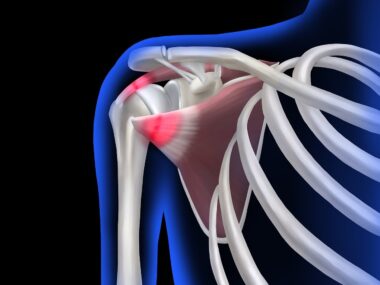
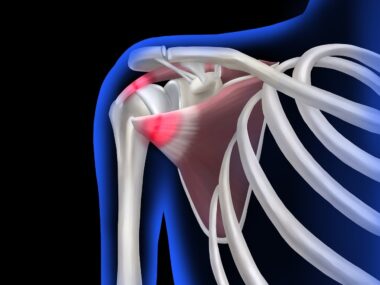
Shoulder injuries can significantly impact daily activities and overall quality of life. Physical therapy plays a crucial role in recovery from these injuries, focusing on rehabilitation exercises tailored to individual needs. Following injury, early intervention through physical therapy can help alleviate pain, restore strength, and improve range of motion. A physical therapist assesses the injury severity and develops a comprehensive rehabilitation plan. This often includes stretching and strengthening exercises aimed at gradually rebuilding shoulder function. Additionally, therapists may employ manual therapy techniques to enhance muscle and joint mobility. Education on proper body mechanics also forms a critical part of rehabilitation, helping prevent further injuries. Therapy may involve the use of modalities, such as ultrasound or electrical stimulation, to reduce pain. Regular assessments ensure the rehabilitation program adapts to the recovery process. Moreover, patient engagement is vital; adherence to prescribed exercises maximizes outcomes. Ultimately, the goal of physical therapy is to facilitate a return to normal activities and sports while ensuring the shoulder is resilient against future injuries. Investing in physical therapy can lead to a successful recovery and improved shoulder health.
Therapeutic exercises are fundamental in the recovery journey from shoulder injuries. Physical therapists integrate various rehabilitation protocols designed to target specific muscle groups around the shoulder. These exercises typically progress from passive movements to active strengthening exercises. Passive movements help preserve range of motion and prevent stiffness, while active movements are essential for strength development. Common exercises include pendulum swings, wall slides, and external rotation with resistance bands. As strength improves, therapists often introduce more complex functional exercises mimicking real-life activities and sports. Balance and stability exercises are also beneficial, enhancing proprioception and coordination. A well-rounded program addresses not only strength but also flexibility, aiming to create a balanced and functional shoulder girdle. Consistency is crucial; patients are encouraged to perform prescribed exercises regularly, even at home, to reap the maximum benefits. Keeping an open line of communication with the therapist is vital for adjusting the exercise program as recovery progresses. Those recovering from shoulder injuries should monitor their body’s responses and report any discomfort during exercises, ensuring a safe and effective rehabilitation process.
Comprehensive Assessment in Physical Therapy
A thorough assessment conducted by a physical therapist forms the backbone of any rehabilitation program for shoulder injuries. This assessment typically begins with an extensive evaluation of the patient’s medical history and the specifics of the injury. The therapist performs physical tests to gauge strength, range of motion, and functional abilities concerning daily activities. This information is pivotal in tailoring a personalized rehabilitation plan that addresses the unique needs of the patient. The assessment might also include special tests to pinpoint the specific structure involved in the injury, providing insight into the rehabilitation’s direction. Validation of pain levels and functional limitations is crucial, allowing therapists to establish realistic and achievable goals. Regular re-assessment takes place throughout the recovery process to ensure the plan remains aligned with the patient’s progress. Additionally, it helps in modifying exercises as needed and ensures patients remain engaged in their recovery journey. This holistic approach maximizes recovery potential and provides patients with a clear framework for improvement, making the assessment phase a cornerstone of successful rehabilitation.
Incorporating education as part of physical therapy for shoulder recovery cannot be overlooked. Educating patients about their conditions empowers them to take an active role in their recovery. An informed patient is better equipped to understand the importance of adhering to rehabilitation exercises and lifestyle modifications that can aid recovery. Therapists explain the mechanics of shoulder injuries, common causes, and preventive strategies to reduce the risk of re-injury after recovery. Understanding the healing process, including timelines and expected outcomes, fosters a positive mindset conducive to healing. Therapeutic education extends to identifying warning signs of potential complications and knowing when to seek further medical advice. Therapists often provide ergonomic advice on proper posture and body mechanics, ensuring patients apply this knowledge throughout their daily activities. The emphasis on self-management techniques allows patients to make informed choices about pain management strategies, contributing further to their overall recovery. Moreover, education about gradually returning to sports or physically demanding activities is essential, focusing on a structured, progressive approach. Ultimately, informed patients are more likely to achieve successful long-term recovery from shoulder injuries.
Progress Monitoring and Adjustments
Monitoring progress is an integral part of physical therapy for shoulder injuries, allowing therapists to adjust rehabilitation protocols as needed. Regular evaluations help determine the effectiveness of the treatment plan, informing necessary changes to enhance recovery. This includes reassessing strength levels, range of motion, and functional capabilities. Therapists utilize various tools to measure progress quantitatively and qualitatively, ensuring that patients are on track towards their goals. Observing how patients respond to different exercises provides insights into their readiness for advancing to more challenging rehabilitation protocols. Feedback from patients regarding their pain levels and comfort during sessions is invaluable for modifying the treatment approach. A collaborative therapist-patient relationship encourages open communication, vital for understanding the patient’s needs throughout rehabilitation. As patients progress, therapists will likely introduce new techniques or exercises to challenge and build upon existing strength. This adaptability not only aids recovery but keeps the rehabilitation process engaging for patients. Ultimately, ongoing evaluation and adjustment ensure that rehabilitation remains effective and aligned with each individual’s evolving recovery journey.
In conclusion, physical therapy is essential for optimal recovery from shoulder injuries, integrating rehabilitation exercises that support healing and improve function. The role of physical therapists transcends just leading exercises; they become educators, motivators, and guides throughout the rehabilitation journey. By providing personalized assessments and tailored rehabilitation plans, they ensure exercises address individual needs and goals. Informed patients who actively participate in their recovery tend to experience better outcomes. Importantly, progress monitoring allows the rehabilitation plan to evolve based on patient needs, ensuring effective strategies for recovery. As patients gain strength and mobility, they regain confidence in their shoulder’s function, enabling a return to activities and lifestyles they enjoy. A successful rehabilitation program not only rehabilitates but equips patients with knowledge on sustaining shoulder health long-term. In this process, embracing the therapist’s guidance, remaining diligent with home exercises, and being proactive about one’s recovery is paramount. It is this collaborative journey between the patient and therapist that lays the foundation for a resilient shoulder and a healthy, fulfilling life.
Final Thoughts on Shoulder Recovery
In the realm of rehabilitation, the importance of physical therapy for shoulder injuries cannot be overstated. It blends science and human care, fostering recovery through a structured yet flexible approach. By recognizing that every patient is unique, therapists design programs that reflect individual circumstances, promoting personalized healing experiences. The variety of techniques employed in therapy not only addresses physical healing but also nurtures mental resilience. Engaging patients in their treatment empowers them to take ownership of their recovery, which is crucial for achieving desired outcomes. Encouraging an active lifestyle post-recovery also promotes long-term health and reduces future injury risks. Ultimately, physical therapy equips patients with restorative tools, helping them regain their strength, flexibility, and confidence. As patients emerge from shoulder injuries fortified with knowledge, they become advocates for their health. This ripple effect elevates not only their recovery success but also their overall quality of life. In understanding and addressing the multifaceted aspects of shoulder recovery, physical therapy remains a vital component of the journey back to full functionality.