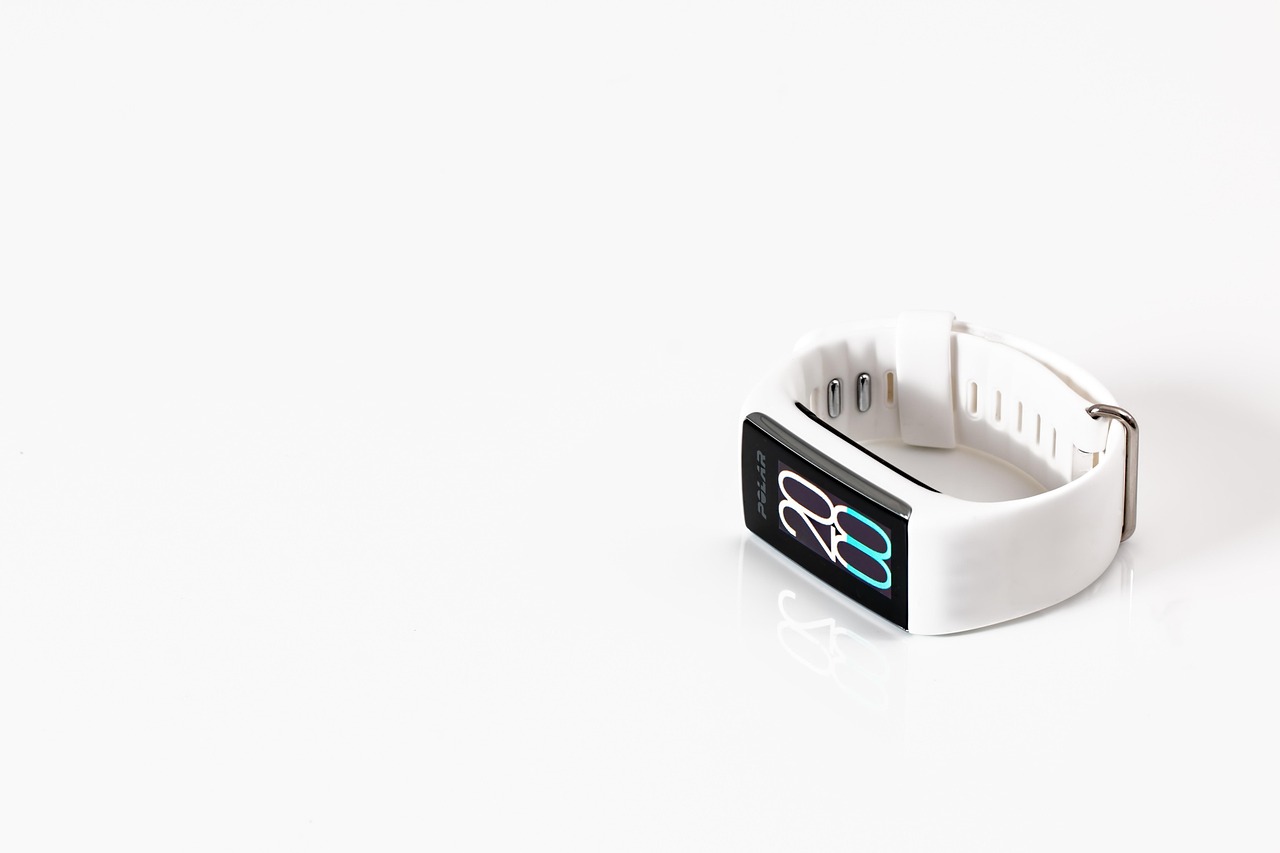

Integrating Wearable ECG Monitors with Fitness Apps for Better Insights
In recent years, the convergence of wearable technology and health monitoring has transformed fitness and wellness practices. One major advancement is the integration of wearable ECG monitors with fitness applications. This integration allows users to track their heart health alongside physical activity metrics, providing a holistic view of fitness. By measuring heart rate variability, these ECG devices can inform users when they may be over-training or under-recovering, enhancing overall performance. This technology uses algorithms and AI to analyze electrocardiogram data, making it invaluable for athletes seeking peak performance. ECG monitors can identify arrhythmias and other heart conditions, promoting timely medical intervention. Furthermore, fitness apps can leverage this data for personalized coaching, optimizing exercise regimens. They can also facilitate goal setting based on heart health metrics, encouraging healthier lifestyle choices. As users become aware of their cardiovascular status, they can better manage health conditions and improve athletic performance. Thus, combining wearable ECG monitors with fitness apps not only enhances workout efficiency but also empowers users with insightful health information that can lead to lasting lifestyle changes.
Beyond just physical performance metrics, the integration of wearable ECG monitors with fitness apps elevates the user’s awareness and understanding of overall cardiovascular health. This technology provides real-time data that allows users to monitor their heart rhythm during workouts. Many fitness enthusiasts may not be aware of the hidden dangers associated with intense physical activity, such as sudden increases in heart rate or irregular heartbeats. Wearable ECG monitors can detect these events as they happen, prompting users to adjust their training accordingly. Fitness applications can display this data in user-friendly formats, showcasing key statistics like beat-to-beat variance or episodes of irregular rhythm. By facilitating this connection, individuals can receive actionable insights directly to their smartphones or wearable devices. Additionally, users can track trends over time, which can be valuable for physicians evaluating long-term cardiovascular health. Moreover, experts believe that shared data between fitness apps and healthcare professionals will lead to enhanced diagnostic capabilities. Thus, the synergy between wearable ECG monitors and fitness applications represents a significant shift towards preventative health measures and personalized coaching in fitness technology.
The ability to collect and analyze ECG data in conjunction with other fitness metrics creates a comprehensive understanding of one’s fitness landscape. For instance, users can correlate heart rate data with physical activity levels, sleep quality, and recovery times. Fitness apps that integrate ECG monitors often allow users to visualize this information through graphs and charts, making it easier to track progress. These insights enable users to make informed decisions about their training intensity and recovery needs. Moreover, by combining ECG data with information from other wearables, such as step counters or calorie trackers, users get a more spatially aware experience of how their heart responds to different activities. This information can also encourage better choices regarding hydration, nutrition, and rest. Fitness professionals can utilize such interactions to better tailor workout plans. As this technology evolves, the use of machine learning algorithms is likely to enhance predictive analytics associated with heart health, thereby creating customized training experiences. Consequently, integrating wearables with apps promotes a deeper understanding of personal fitness and fosters a proactive approach to maintaining cardiovascular wellness.
The Role of Data Security in Wearable Technology
With the increasing adoption of wearable ECG monitors, data privacy and security concern is paramount. Users generate sensitive health data, and it is vital to ensure that this information remains confidential and is used ethically. Fitness app developers must adhere to strict regulations regarding personal health data, incorporating robust encryption methods to protect user information. Users should be educated about potential risks, such as unauthorized access to their ECG readings. Moreover, app providers must communicate their data-sharing policies transparently. It is also crucial for users to understand their rights regarding data control, such as choosing whether to share their ECG data with healthcare providers or third parties. Ensuring that users have robust privacy settings fosters trust and promotes wider adoption of wearable technology. Additionally, fitness apps should offer users the ability to easily delete or download their data, reinforcing users’ control over their personal health information. As technology progresses, the emphasis on secure interoperability among wearables and apps will systematize health data without compromising security, enabling seamless and secure usage of ECG monitors in fitness contexts.
The practical applications of wearable ECG monitors extend beyond fitness enthusiasts and athletes; they also benefit a wide demographic, including individuals with pre-existing heart conditions. For instance, patients with arrhythmias can leverage these devices to monitor their heart health during regular activities. Integration with fitness apps can help patients track their daily activities while ensuring that they remain within safe ranges for heart rates. Consequently, it provides health professionals with valuable data, enabling better engagement in patient care. Doctors can review ECG readings remotely, allowing them to make timely decisions regarding treatment adjustments without requiring an in-office visit. This increases accessibility to healthcare and enhances the quality of life for many individuals living with chronic conditions. Moreover, the impending future of telemedicine continues to unveil additional advantages as wearables become integral in patient monitoring systems. By fostering collaboration between patients, fitness app developers, and healthcare providers, this technology not only streamlines health management but also encourages better adherence to treatment plans, ultimately improving health outcomes and bridging the gap between everyday health and medical oversight.
Moreover, the rising influence of social networks in fitness brings opportunities to further enhance user experience with wearable ECG monitors. Fitness applications can create social features where users can share their ECG data with friends or community groups, promoting accountability and friendly competition. By allowing users to share their progress, they can inspire each other and engage in collective fitness journeys. This social dimension can also provide support for those managing health conditions, as they can converse with peers who have similar experiences. Fitness apps may incorporate educational content reflecting community experiences related to heart health, fostering knowledge sharing on managing stress, diet, and exercise. Another significant aspect is the potential for gamification features that encourage proper heart health monitoring and regular usage of ECG functionalities. Reward systems can enhance user commitment and satisfaction, ultimately leading to better health management. Such collaborative environments contribute to the emergence of a fitness ecosystem that values not only personal achievement but also collective support in the pursuit of health and well-being. Ultimately, integrating wearables within social networks serves to motivate users and deepen their commitment to cardiac and overall health.
The Future of Wearable ECG Technology
Looking ahead, innovations in wearable ECG monitors are expected to evolve rapidly, driven by advances in technology and user demand for better health insights. Future wearables may incorporate more sophisticated sensors and artificial intelligence to enhance their capabilities. This evolution could lead to enhanced accuracy in data collection, providing more reliable insights for users. Additionally, future ECG devices may become smaller and more comfortable to wear, integrating seamlessly into daily life. Enhanced battery life and improved connectivity with fitness apps will further strengthen this integration, allowing for continuous monitoring without interruption. Furthermore, as artificial intelligence becomes more involved, predictive analytics will be able to suggest personalized fitness plans based on historical ECG data, adapting to user responses. This personalized approach to health and fitness creates opportunities for breakthrough enhancements in performance. As healthcare continues to embrace digitalization, the combination of wearables, mobile applications, and telemedicine is likely to redefine how we view personal health management. This future looks promising, potentially leading to a more informed and health-conscious society, where individuals are empowered to reach their fitness and health goals through technology.
In conclusion, the integration of wearable ECG monitors with fitness apps marks a significant advancement in the realm of personal health and fitness. It equips users with critical insights into their cardiovascular health while facilitating informed decisions about their workouts. By understanding their heart’s needs, users can tailor their training and recovery based on accurate data, leading to improved performance outcomes. This technology bridges the gap between health monitoring and fitness, encouraging individuals to proactively engage in their well-being. As wearable technology becomes even more sophisticated, user experience will be enhanced, leading to broader acceptance and usage, ultimately transforming fitness culture. Moreover, the emphasis on security and privacy must continue to remain at the forefront to protect sensitive data. The opportunities for societal health improvement through these innovations are vast, with potential applications expanding beyond fitness enthusiasts to include general health management for everyone. Therefore, embracing this trend will not only elevate personal health but can also lead to a healthier future for the community at large. With the synergy of fitness apps and ECG technology, we embark on a journey to ensure better health insights in the realm of fitness and beyond.