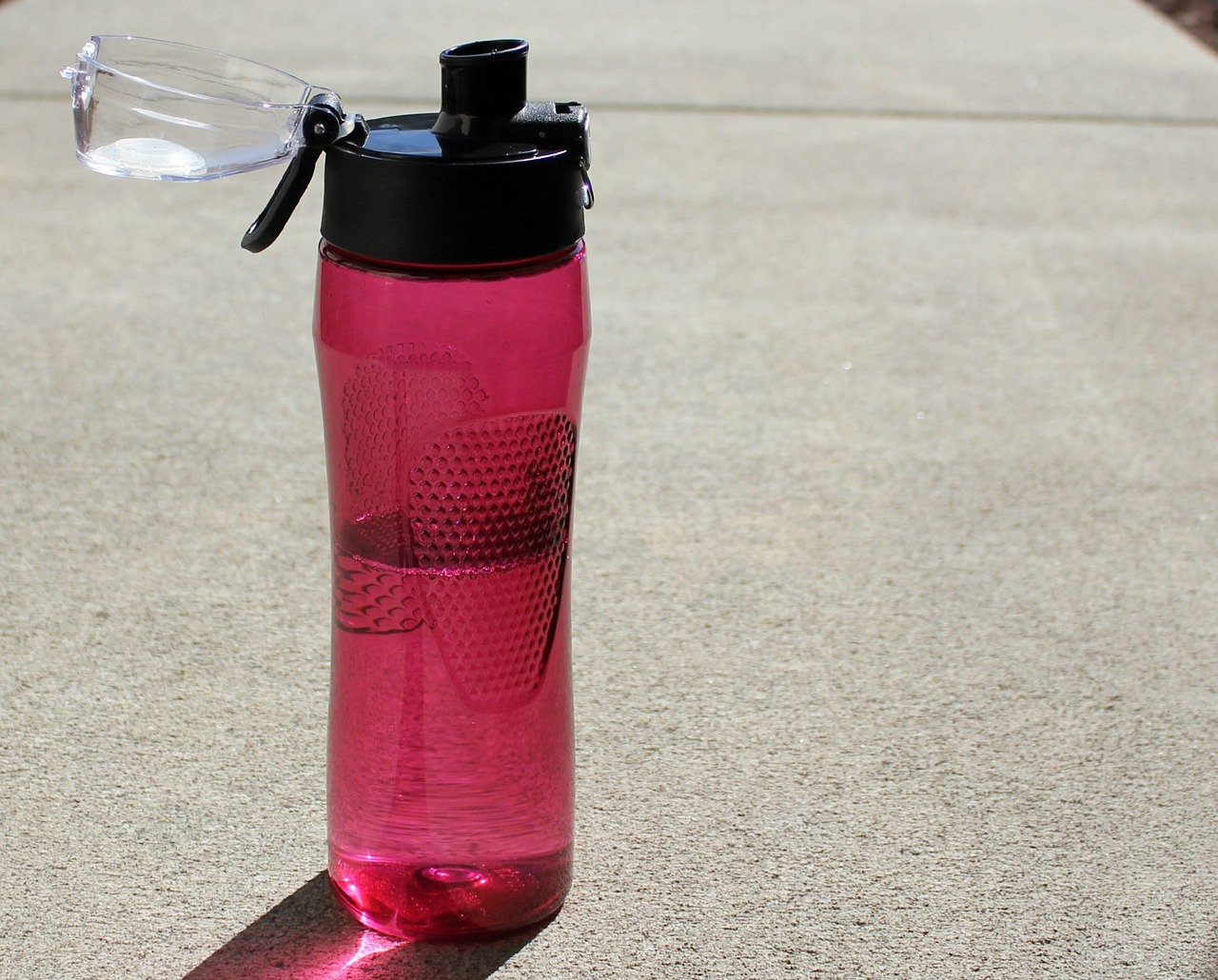

Best Water Intake Practices Before, During, and After Workouts
Staying hydrated is vital for optimal performance and recovery during workouts. A proper hydration strategy starts before you step into the gym. Aim to drink sufficient water 2-3 hours prior to your workout. This preparation helps regulate body temperature and maintain cardiovascular stability. It’s advisable to drink roughly 500 milliliters of water during this time. Always consider your individual needs based on exercise intensity, climate, and personal physiology. Furthermore, consult with a registered dietitian for personalized hydration plans tailored to your fitness goals. Monitoring urine color can help gauge hydration; pale yellow indicates proper hydration. If it is darker, increase fluid intake. Consuming electrolyte-rich beverages or water-rich foods like fruits can also assist in hydration. Remember to listen to your body; thirst is a clear signal that the body requires water. Keep your water bottle within reach to remind you to hydrate frequently. Ultimately, developing these habits protects against dehydration, which can severely impact athletic performance and overall health. Prioritizing hydration sets you up for success in every workout, making it an integral part of your training regimen.
During exercise, maintaining hydration is crucial to sustaining performance and enhancing recovery. The ideal fluid intake varies depending on exercise intensity and duration. For workouts lasting over 60 minutes, consider consuming sports drinks that contain electrolytes and carbohydrates. These drinks replenish lost salts and energy, helping to delay fatigue. Aim for 200-300 milliliters of fluid every 15 to 20 minutes during your workout. Keep an eye on how your body responds; fatigue, dizziness, or headaches signal dehydration. Using a portable water bottle can make hydration during workouts easier and more accessible. For those engaging in high-intensity sports, an electrolyte-rich drink can help maintain electrolyte balance. Acquiring hydration during workouts can be adjusted based on temperature and sweat loss. If exercising under hot or humid conditions, ensure you increase fluid intake accordingly. Consistently monitor your performance; a decrease can signify insufficient hydration. Moreover, individual hydration needs can change, so adapting your intake based on your workouts is beneficial. Integrating these practices can support your endurance and energy levels throughout your workouts, allowing you to maximize each training session’s efficacy.
The Importance of Post-Workout Hydration
Post-exercise hydration is critical for recovery and overall health. After your workout, your body needs fluids to replace losses and support recovery processes. Aim to consume at least 150% of your body weight in fluids lost during the session. Rehydrating effectively encourages muscle repair, reduces soreness, and prevents fatigue. Your post-workout beverage should ideally contain water and electrolytes, especially after intense workouts or prolonged durations. Consuming fluids like homemade smoothies or water with added electrolytes can enhance recovery. Timing is important; ideally, hydrate within 30 minutes post-exercise for maximum benefits. Meals rich in water content, such as fruits and salads, can further aid the recovery process. The combination of proteins and carbohydrates within the first hour can also replenish energy stores depleted during workouts. Listen to your body; thirst often signals dehydration. Incorporate hydration practices in your post-workout routine for optimal recovery. Monitor urine color; it can indicate hydration status. Ultimately, a commitment to proper hydration strategies ensures your body is ready for future workouts, assisting you in achieving fitness goals more effectively.
Incorporating hydration practices into your daily routine is essential for overall wellness. Carrying a refillable water bottle encourages frequent hydration throughout the day. Create reminders if you find it challenging to drink enough; mobile apps can enhance accountability. Developing a habit of drinking water at regular intervals helps establish a consistent hydration pattern. Furthermore, eating foods with high water content, like cucumbers, oranges, and watermelon, can contribute to overall fluid intake. Transitioning to a balanced approach with hydration can regulate other bodily functions, such as digestion and cognitive performance. Moreover, continually assessing your hydration level through urine color can provide insights into your fluid status. Set daily hydration goals, like aiming for a specific number of liters consumed. Consider the climate; warmer temperatures often necessitate increased hydration. Adjusting daily fluid intake based on activity levels ensures adequate hydration supports exercise performance and recovery. Be mindful of altitude; those living or exercising at higher elevations may require more hydration. Educating yourself about the importance of hydration can enhance well-being, fitness, and quality of life, facilitating sustainable health outcomes.
Hydration Myths and Facts
Understanding hydration myths and facts can significantly impact hydration practices. One common myth is that thirsty individuals are already dehydrated. In reality, thirst is a late indicator of hydrating needs. Drinking excessive water can also lead to an imbalance in electrolytes, known as hyponatremia. It’s recommended to drink when thirsty and after exercise rather than compulsively. Another misconception is that all liquids count towards hydration. While drinks like tea and coffee contribute to fluid intake, their caffeine content may have a diuretic effect in high amounts. It’s important to prioritize water throughout the day. For heavy exercise routines, personalizing hydration needs through sweat tests will provide more accurate data on your fluid loss. Ignoring hydration in colder temperatures can also be a significant error, as dehydration can still occur without apparent signs. Combining well-timed hydration with knowledge about personal needs is essential for optimal performance. Understanding these myths allows for more effective hydration strategies, enhancing energy and athletic output. Educate yourself to make informed hydration choices tailored to your lifestyle, achieving health and fitness goals more efficiently.
For athletes or fitness enthusiasts, understanding the specifics of hydration can enhance performance. Each person has a unique sweat rate, which can be monitored during various exercises. Consider conducting a simple test: weigh yourself before and after workouts to gauge fluid loss accurately. Adjust your fluid intake based on findings to maintain optimal hydration levels. Utilize hydration strategies aligned with your activity type—endurance activities like marathon running necessitate different fluid intake than strength training. Electrolyte balance is critical, particularly for prolonged and intense exercise sessions; therefore, an electrolyte-rich beverage may be necessary post-workout. Also, consider individual preferences; some individuals find water repulsive after workouts, and flavored hydration solutions may facilitate fluid intake. Temperature awareness is necessary for individuals exercising in heat. Staying hydrated is not fixed; rather, encourage flexibility in your hydration strategies. Influences like environment, exercise intensity, and duration can necessitate adjustments. Continually educate yourself about hydration best practices and consult with professionals for tailored advice. As you refine hydration habits, you’re increasing the chances of achieving your training and performance goals efficiently.
Conclusion: Making Hydration a Priority
Hydration should be a fundamental focus for anyone engaged in physical activity. Setting personal hydration goals tailored to your lifestyle and physical demands can yield significant health benefits and improve workout outcomes. Monitoring your body’s signals is essential; always listen to your thirst and response to exercise. Inform yourself about effective practices, debunk common hydration myths, and strive to stay hydrated at all times. Incorporate hydration strategies into your daily life, making it as routine as workout schedules. As you become mindful of your hydration needs, utilizing the right fluids before, during, and after exercise can facilitate improved performance and recovery. Tracking progress, adapting strategies, and maintaining a commitment to hydration ensures sustained energy and overall health. Make hydration your ally in fitness, pushing forward to achieve your personal goals. Ultimately, enhancing hydration knowledge and practices supports not just athletic endeavors but also general well-being. By prioritizing hydration and fueling your body adequately, you set the foundation for success in your workouts and daily life. Embrace hydration, enabling your body to perform efficiently during every physical challenge.
Remember that a well-hydrated body is more resilient and capable of handling physical stress. Whether you are an elite athlete or a casual gym-goer, adequate hydration is essential in optimizing performance and ensuring overall health. As you adopt these effective hydration practices, consider how each stage of your workout benefits from sufficient fluid intake. Create a supportive environment that encourages regular hydration; having accessible hydration options improves your chances of staying properly hydrated. Over time, positive hydration habits will enhance your performance, recovery, and general health. With dedicated attention to water intake and hydration strategies, your body will tolerate physical activity better and recover more efficiently. This commitment to hydration will help you avoid fatigue and enhance your workout outcomes. Finally, remember hydration goes beyond just water; incorporating electrolytes during intense sessions and avoiding overly sugary drinks is beneficial. Investing in your hydration strategy is investing in your overall health. Ultimately, good hydration practices pave the way for progress and allow you to excel in your workouts and maintain a healthy lifestyle.