
Steel vs. Cast Iron Kettlebells: A Comprehensive Review
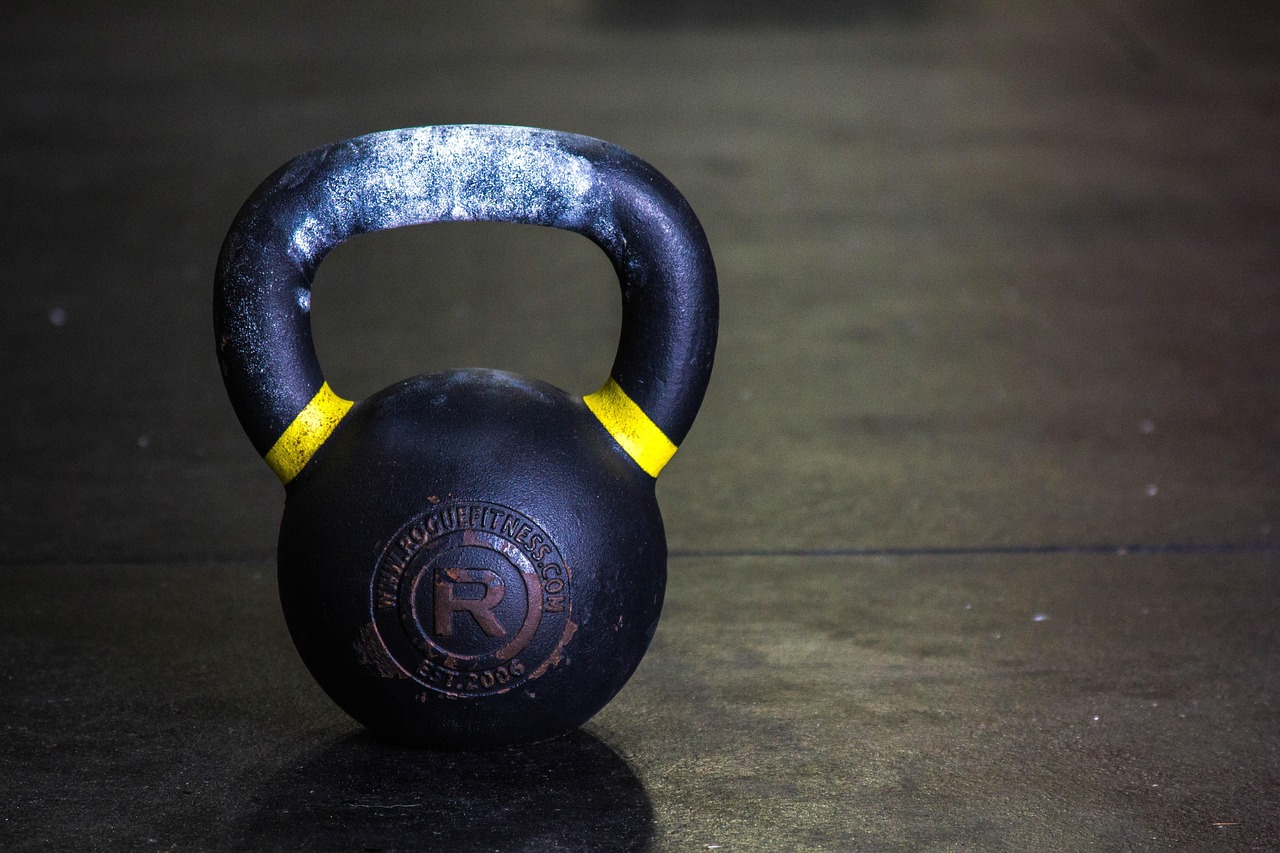
Kettlebells are revolutionizing how individuals approach fitness training, and selecting the right type can drastically affect results. When comparing steel and cast iron kettlebells, it’s essential to evaluate durability, stability, and handle comfort, as they influence workout performance. Steel kettlebells typically have a sleek design, often featuring a smooth surface and a consistent weight distribution, making them suitable for various exercises like swings, snatches, and Turkish get-ups. Their manufacturing process usually incorporates high-quality materials, which contributes to their durability over time. Conversely, cast iron kettlebells usually come with a textured surface that provides grip during workouts yet may feel bulkier due to their construction. A comprehensive review also considers the price, as cast iron kettlebells are generally more affordable than their steel counterparts. With various weights available, individuals can easily find options fitting their fitness levels. Additionally, the choice between steel and cast iron kettlebells often hinges on personal preference and workout style, making it vital to understand what each type offers. In this article, we will look deeper into these kettlebells’ unique features and benefits to help you make an informed decision.
Durability and Longevity
When evaluating kettlebells, durability is a key factor influencing the long-term usefulness of your equipment. Steel kettlebells tend to outperform cast iron options in terms of durability due to their robust construction. They resist chipping, denting, and rusting, providing you with a solid investment. With proper care, steel kettlebells can maintain their appearance and functionality for years, making them particularly suited for frequent use in various environments, including gyms and homes. Cast iron kettlebells, though known for their sturdiness, may not have the same lifespan as steel. They can corrode over time if exposed to moisture without proper care. However, their structure allows for a decent lifespan when regularly inspected and maintained. Gym enthusiasts and professionals often report that investing in steel kettlebells offers peace of mind, as their upfront cost leads to long-term savings. One should consider not just the immediate price but also the long-term value derived from high-performance fitness equipment. This understanding can lead to smarter purchases and ultimately better workouts tailored to your fitness journey.
Comfort and Grip
The handle’s comfort of a kettlebell is crucial for performing exercises effectively and safely. Steel kettlebells generally feature ergonomic handles that offer a smooth, comfortable grip. This quality allows for easier transitions between exercises, reducing the risk of blisters and grip fatigue during intense workouts. Their polished finish contributes to an overall pleasant experience, especially during high-rep sets. In contrast, cast iron kettlebells often have a more textured surface to improve grip but may not provide the same level of comfort during extended use. The grip can sometimes feel rough, leading to discomfort over time, particularly for beginners. It’s essential for users to evaluate their tolerance for various handle finishes and sizes, as this aspect can impact performance dramatically. Additionally, consider that kettlebell workouts often involve dynamic movements, making it vital to choose a model that suits your individual needs. A well-designed handle makes a difference in maintaining proper form and achieving improved results from your training regimen. Prioritizing comfort and grip in your decision-making process will help elevate your overall workout experience.
Weight distribution and balance are vital considerations when selecting kettlebells, as they directly influence performance levels during workouts. Steel kettlebells typically offer better weight distribution, aiding in stability during lifts and swings. This balance helps users adopt proper form, ultimately reducing injury risk. Due to their consistent weight design, steel kettlebells allow for smooth movements, making them ideal for both beginners and advanced users. Conversely, cast iron kettlebells can sometimes feature uneven weight distribution due to their manufacturing processes. This inconsistency can lead to challenges in maintaining stability during dynamic exercises. Understanding the differences between the two materials helps users recognize which option aligns best with their personal training styles. Balanced kettlebells pave the way for efficient movements, allowing for optimized strength and endurance training. If performance enhancement is your priority, investing in kettlebells with proper weight distribution should be a top consideration. As with any fitness equipment, selecting a kettlebell that meets your workout needs is essential for constructing a balanced training program.
Price and Accessibility
Price is often one of the most significant determining factors for fitness equipment purchases, including kettlebells. Cast iron kettlebells are usually more economical than their steel counterparts, making them accessible to a broader audience. Due to lower production costs, many individuals starting their fitness journey lean towards cast iron options to ensure they stay within budget while still obtaining a quality product. Conversely, the higher price of steel kettlebells reflects their durability, comfort, and design features that cater to serious fitness enthusiasts. While the initial investment may be steep, it can prove beneficial, especially for those using the equipment regularly. A cost-benefit analysis would suggest that for hardcore fitness fans aiming for longevity, steel kettlebells might deliver a higher ROI due to fewer replacements. Further, many retailers offer promotional deals, especially online, making steel kettlebells increasingly more accessible. It’s crucial to keep an eye out for sales, special offers, or even second-hand options from reputable sources. Ultimately, while assessing which kettlebell to buy, weigh both upfront costs and potential long-term benefits based on your fitness goals.
Training versatility is another vital aspect to consider when choosing between steel and cast iron kettlebells. Steel kettlebells typically offer a narrower range of weights, providing more consistency and options for dynamic movements. This makes them suitable for various exercises, whether you’re targeting strength training or conditioning. Their design also allows for a better transition between different workout routines, especially in high-intensity interval training scenarios where efficiency is necessary. On the other hand, cast iron kettlebells often come in wider weight ranges, ideal for targeting specific muscle groups and accommodating progressive training regimens. Individuals looking to follow detailed training programs may prefer the availability of various weight options cast iron kettlebells provide. The diversity in kettlebell weights allows for flexibility in building strength over time as you progress in fitness levels. Understanding training needs based on your fitness goals enables you to choose the kettlebell that complements your workout routines effectively. Both steel and cast iron options have their strengths when it comes to versatility, catering to different needs and preferences across the fitness spectrum.
Conclusion and Recommendations
In conclusion, choosing between steel and cast iron kettlebells boils down to individual preferences and fitness goals. Steel kettlebells impress with their durability, comfort, and weight distribution, making them a great option for serious trainers and professionals. Their resistance to wear and smooth handles contribute to enjoyable workouts, making them worth the investment for frequent users. However, for those new to kettlebell training or on a tighter budget, cast iron kettlebells provide a cost-effective alternative that still delivers excellent performance and a variety of weight options. As mentioned throughout the review, the importance of handle comfort and weight distribution cannot be overstated when making selections. Ultimately, consider trying both types of kettlebells before making a final decision. Hands-on testing can provide a better understanding of what feels comfortable and effective in your training routine. No matter which option you choose, remember that consistency and commitment to your fitness journey will ultimately yield the best results. With either choice, kettlebell training is a fantastic way to pursue health and fitness goals successfully.
In summary, steel and cast iron kettlebells each offer distinctive advantages and challenges. For the most effective training experience, know your preferences and fitness aspirations, guiding your decision accordingly. Many athletes, both novices and professionals, benefit from kettlebell workouts, as they engage multiple muscle groups while enhancing core strength and stability. The versatility inherent in kettlebell training allows users to tailor workouts specifically to their objectives, ensuring optimal results. As seen in this comprehensive review, understanding the characteristics of each kettlebell type is crucial to making an informed purchase. Evaluate your workout routines and goals, and analyze the available options to find the one that best suits your needs. Exercise selection, available space, and budget considerations also play a role in this decision-making process. Ultimately, whichever kettlebell you choose, committing to an ongoing workout routine will maximize your results, regardless of whether it is steel or cast iron. As the fitness landscape continues to change, kettlebells remain a practical choice for those looking to enhance their strength training and cardio fitness regimes effectively.