
Meditation and Mindfulness Practices in Karate Training
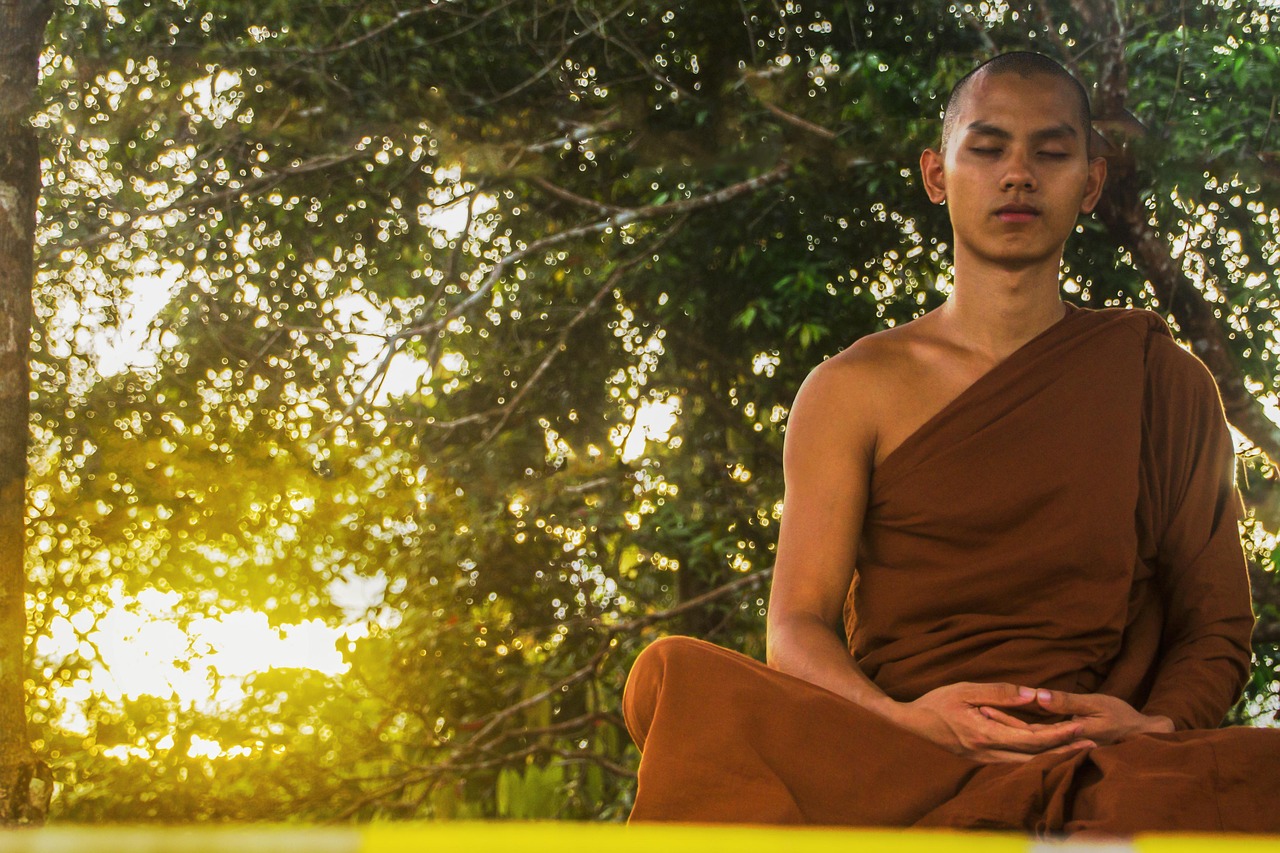
Meditation and mindfulness are pivotal components that significantly enhance karate training. Practicing mindfulness helps martial artists focus fully on their techniques, cultivating an acute awareness of body movements and breathing. This practice encourages individuals to be present, minimizing distractions that could hinder performance. Incorporating meditation techniques into karate routines fosters mental resilience and emotional regulation. For instance, focusing on one’s breath can create a calming atmosphere before sparring, allowing the practitioner to channel energy constructively. Additionally, meditation can help reduce anxiety, improving focus in high-pressure situations. Athletes often engage in visualization, picturing themselves executing techniques flawlessly. This method can build confidence and reinforce muscle memory. Traditional karate emphasizes the unity of body and mind, making mindfulness training essential. The synergy between meditative practices and physical training results in better performance. Practitioners might even experience a deeper connection to their techniques, fostering respect and appreciation for the martial art itself. Hence, embracing meditation in karate not only enhances practicality but enables a holistic approach to training. Such integration leads to profound personal growth and mastery in karate.
Incorporating Zen Principles into Training
Integrating Zen principles into karate training creates a robust mental framework for martial artists. Zen methodologies emphasize simplicity, focus, and intuition, which parallel the goals of karate. Through Zen, practitioners learn to approach each technique with a clear mind, allowing for precise execution. One fundamental principle is “mind like water,” encouraging individuals to be adaptable and responsive. This attitude aids students in adjusting techniques real-time while sparring. Moreover, maintaining a Zen-like state during practice helps to eliminate unnecessary thoughts, focusing solely on the task at hand. Practitioners can utilize techniques such as sitting meditation or zazen to cultivate this mindset. By training the mind to stay calm amidst chaos, karateka enhance their ability to act decisively and accurately in confrontations. This psychological state substantially improves reaction times and awareness of opponents’ movements. Regularly engaging in Zen practices fosters a deeper understanding of karate philosophy, nurturing respect for opponents and the martial art itself. As a result, students become not only better fighters but also more adaptable individuals who can handle everyday challenges with grace.
The Role of Breathing Techniques
Breathing techniques play an essential role in optimizing performance during karate training. Controlled breathing not only enhances physical endurance but also aids in mental clarity, crucial for executing complex techniques. One common method is the “breathe in, punch out” approach. This technique involves inhaling deeply before executing a technique and exhaling forcefully at the apex. This process maximizes power while maintaining control. Additionally, breath control fosters relaxation, reducing tension and anxiety that often accompany martial arts practice. Incorporating diaphragmatic breathing can further improve stamina, allowing athletes to maintain energy levels throughout rigorous training sessions. Practitioners experiencing fatigue often neglect breathing patterns, leading to decreased effectiveness. Therefore, developing a consistent breathing rhythm helps counteract exhaustion, enabling sustained performance. Furthermore, focused breathing exercises can elevate emotional resilience, allowing karateka to manage stress effectively. Techniques such as box breathing or alternate nostril breathing enhance concentration and clear the mind’s clutter, promoting a peaceful state conducive to effective training. Ultimately, mastering breathing techniques is vital for achieving both mental tranquility and physical prowess in karate.
Mindfulness Drills to Strengthen Focus
Mindfulness drills are vital to honing focus and discipline in karate training. These exercises help foster concentration while training, directly impacting performance efficiency. One popular mindfulness drill involves practicing kata with a heightened sense of awareness. During kata, practitioners can focus on the fluidity of movements, paying close attention to each transition and technique. Engaging fully during these drills cultivates an understanding of spacing, precision, and timing. Another effective practice is the use of sensory engagement. This technique encourages students to utilize their senses—such as touch, sound, and sight—to deepen their connection with each movement. For example, focusing intently on the sound of their breath or the feel of their foot against the ground emphasizes mindfulness in transitions. Furthermore, pairing these drills with visualization exercises can expand a martial artist’s mental toolkit. Visualizing successful completion of a technique reinforces self-confidence while engaging the mind. Regularly embedding mindfulness drills within training regimens enhances the practitioner’s discipline and prepares them to face adversities inside and outside the dojo.
Emotional Awareness in Karate
Understanding and managing emotions is crucial for success in karate training. Emotional awareness allows practitioners to navigate the ebbs and flows of training while fostering resilience. Part of effective self-defense mechanics involves managing fear, anger, and frustration. By recognizing these emotions, karate athletes can channel their feelings constructively rather than react impulsively. Meditative practices can significantly aid in developing emotional awareness. Through techniques such as reflection or journaling, individuals can process their feelings post-training, leading to better self-regulation. Additionally, karateka can employ mindfulness to assess emotional triggers during sparring sessions. Recognizing responses during challenging situations enables practitioners to remain composed, assessing threats rather than acting out of fear. Creating a safe environment where individuals feel comfortable expressing their emotions fortifies everyone’s training experience. Encouraging emotional sharing amongst peers fosters camaraderie and support, making personal struggles feel lighter. By embracing emotional awareness as a crucial aspect of training, karateka develop a holistic perspective. Such perspectives not only ensure improved performance but also create a deeper bond with fellow martial artists.
Cultivating Mindfulness through Regular Practice
Regular mindfulness practice is key to fostering depth in karate training. Commitment to routine meditation or reflective practices shapes a practitioner’s mindset over time. Dedicating even a few minutes daily to meditation can strengthen one’s resolve, clarity, and emotional balance. Simple techniques like focusing on the breath or visualizing forms build mental discipline and motivation. Additionally, creating a mindful atmosphere in the dojo itself fosters shared focus and collective energy amongst practitioners. Group meditation sessions can strengthen community bonds and reinforce the importance of mindfulness within training. Beyond mental benefits, consistent mindfulness practice also brings physical advantages. Improved body awareness leads to more efficient movement and energy conservation during training sessions. As students grow more mindful, they not only enhance their karate base but also cultivate positive habits that benefit wellness. Integrating mindfulness into regular training routines thus helps practitioners face external and internal challenges. Empowering individuals to manage stress, control energy, and sharpen focus leads to a comprehensive approach to karate. Ultimately, cultivating mindfulness through regular practice engenders a deep-seated commitment to martial arts.
Conclusions on Mindfulness in Karate
Integrating mindfulness and meditation practices into karate training yields profound benefits for practitioners. Achieving mastery in karate extends beyond physical prowess; it encompasses mental, emotional, and spiritual development. As karateka embrace mindfulness, they uncover resilience, adaptability, and heightened self-awareness. The journey through karate becomes enriched when individuals incorporate emotional intelligence and mental clarity into their routines. Furthermore, fostering community and shared experiences within the dojo solidifies the importance of these practices. Practitioners learn essential life skills transcending the dojo, including patience, respect, and confidence. The incorporation of breathing techniques alongside mindfulness drills enhances performance while creating a sanctuary for personal growth. Dedicating time for meditation fosters emotional regulation, allowing athletes to navigate stressful situations with ease. Overall, mindfulness within karate training cultivates not only better martial artists but also individuals capable of facing life’s adversity. As students connect through practices fostering mindfulness, they deepen their respect for oneself, others, and the art itself. In this light, karate evolves into a pathway for holistic development, bridging physical skill and mental acuity effectively.
Embracing mindfulness is imperative for modern martial artists seeking balance and mastery. In a world filled with distractions, karate practitioners must specifically prioritize mental clarity. Mindfulness transforms training experiences while fostering personal growth, cementing its role as a vital practice in karate. As students cultivate a deeper awareness of their emotional landscape, they become equipped to manage challenges inside and outside of the martial arts arena. Continuous reflection and mindfulness can further enhance physical abilities and emotional resilience, creating well-rounded athletes. Successful karateka understand that their art demands more than technical skills—it requires adaptability and mental strength. Integrating meditation, breath control, and mindfulness exercises in training gives students a comprehensive foundation. It extends beyond sparring, forming connections between the mind, body, and spirit. Through mindfulness, karate becomes a lifelong journey where practitioners evolve into their best selves. Fostering a mindset nurtures a sense of community, allowing each student to support one another. Ultimately, embracing mindfulness in karate heals and empowers practitioners. By committing to progress, karateka discover that training reflects a beautiful journey towards self-improvement and self-discovery.